Medical Device Prototyping & Precision Machining Services
Medical device development requires uncompromising precision, biocompatible materials, and rigorous traceability. AS Prototypes partners with biomedical engineers and healthcare innovators to deliver surgical instruments, implantable prototypes, and diagnostic equipment components compliant with stringent medical quality benchmarks.
1. The Critical Role of Prototyping and Quick Production in Medical Device Development
The development of new medical devices is traditionally an expensive and time-consuming process. However, modern strategies in the journey from concept to commercialization are transforming how these devices are brought to market, with a focus on both efficiency and cost reduction.
Rapid prototyping and manufacturing services offer a swift, reliable, and economical means to produce both prototype models that retain crucial functionalities and low-volume production parts for concept validation and market testing of medical devices and health products. This process enables the exploration of new ideas, the gathering of early customer feedback, and the development of solutions that are tailored for specific medical applications. These prototypes can then be tested in laboratory or clinical settings, accelerating their pathway to market entry. Additionally, this phase offers valuable insights into future manufacturing processes, cost estimation, timeline planning, and quality assurance measures.
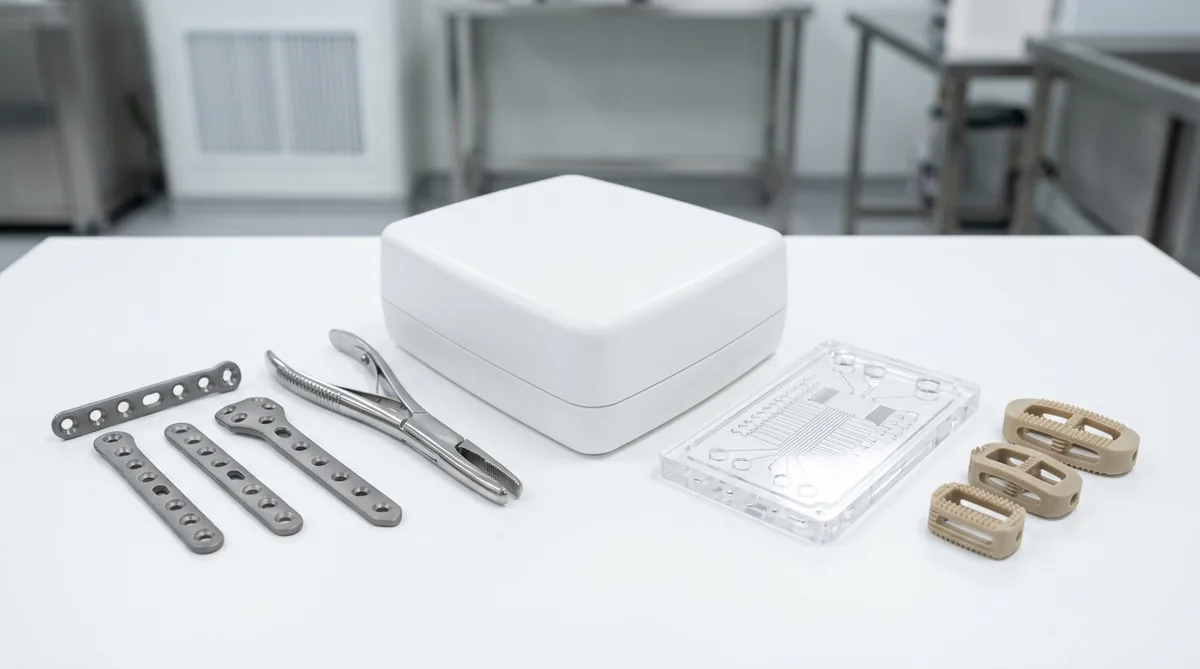
2. Optimal Strategies Enhanced by Prototyping and Manufacturing in Medical Device Development
Visual presentation models enable designers to demonstrate the appearance and aesthetics of their designs to colleagues, clients, and stakeholders, thereby encouraging clear and actionable feedback.
Functional prototyping in medical device development, also known as Beta prototyping, allows for testing the form, fit, and function of components. This process aids in refining design iterations and enhancing product performance. It enables the identification and correction of issues early in the development cycle, significantly reducing business risk before finalizing the product.
Developing engineering prototypes that closely resemble the final medical device product simplifies the process of verifying design, engineering, and manufacturability. This step is crucial before committing significant resources to costly tooling and production processes.
Rapid manufacturing and custom low-volume production of medical device components serve as an effective bridge from prototype to full-scale production. This approach accelerates market entry and maintains cost-efficiency, facilitating a smoother transition to commercial availability.
3. Medical Device Engineering Materials & Precision Specifications Matrix
Medical-Grade Materials, Biocompatibility & Precision Machining Matrix
Medical-grade material standards, ISO 10993 biocompatibility benchmarks, sterilization endurance, micro-tolerances, and clinical applications
| Material Designation | Standard / Compliance | Biocompatibility Level | Sterilization Compatibility | Precision CNC Tolerance | Clinical & Surgical Device Applications |
|---|---|---|---|---|---|
| Titanium Ti-6Al-4V ELI (Grade 23) | ASTM F136 / ISO 5832-3 | ISO 10993-1 / Permanent Implant | EtO (Ethylene Oxide), VHP (Vaporized Hydrogen Peroxide) | ±0.005 mm | Orthopedic bone plates, spinal fusion cages, dental implant abutments, prosthetic joint anchors. |
| Surgical Stainless Steel 316LVM | ASTM F138 / ISO 5832-1 | ISO 10993 Permanent Tissue Contact | Autoclave, Dry Heat, EtO | ±0.005 mm | Surgical scalpels, bone drills, endoscopic grasping forceps, orthopedic external fixators, cannulated shafts. |
| Medical PEEK (PEEK-OPTIMA) | ASTM F2026 / ISO 10993 | USP Class VI / Radiolucent Implant | Autoclave, EtO, Plasma (VHP) | ±0.008 mm | Cervical spinal spacers, cranial reconstruction plates, heart valve components, high-stress radiolucent retractors. |
| Cobalt-Chromium-Molybdenum (CoCrMo) | ASTM F75 / ASTM F1537 | ISO 10993-1 Biocompatible | Autoclave, EtO, Gamma | ±0.006 mm | Knee and hip joint articulating surfaces, dental copings, high-wear surgical guides, coronary stents. |
| Medical Liquid Silicone Rubber (LSR) | USP Class VI / Platinum Cured | ISO 10993 Non-Pyrogenic | Autoclave, EtO, Radiation | ±0.020 mm | Biocompatible seals, surgical instrument soft-touch grips, microfluidic gaskets, respiratory valves, dialysis manifolds. |
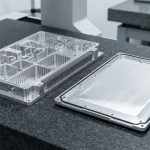
| Optical PMMA & Polycarbonate | USP Class VI / Medical Grade | ISO 10993 Indirect Contact | EtO Gas, VHP (Vaporized Hydrogen Peroxide) | ±0.010 mm | Microfluidic diagnostic cartridges (Lab-on-a-Chip), blood oxygenator shells, endoscope lens covers, fluid viewing flow cells. |
4. On-Demand Manufacturing Capabilities for Medical Device
CNC Machining for Medical Devices
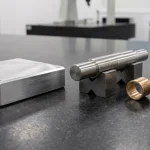
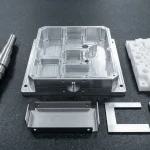
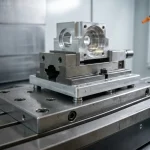
CNC machining is a pivotal technology in the medical device industry, enabling the precise and efficient production of complex components necessary for critical healthcare applications. At AS Prototypes, our in-house Swiss-type micro turning and 5-axis machining centers process medical titanium (Ti-6Al-4V ELI) and surgical stainless steel (316LVM) to ±0.005mm tolerances. This capability ensures that our machined parts, including bone screws, endoscopic jaws, and diagnostic manifolds, satisfy the most stringent biocompatibility, cleanability, and micron-level metrology standards.
Typical applications: Surgical Instruments, Orthopedic Implants, Bone Screws & Plates, Diagnostic Cartridges, Endoscope Housings, Fluidic Valves & Manifolds, Prosthetic Joints, Dental Abutments.
Typical materials: Titanium Ti-6Al-4V ELI (Grade 23), Stainless Steel 316LVM, Cobalt Chrome, Medical PEEK, Aluminum 6061, Polycarbonate, and Ultem.
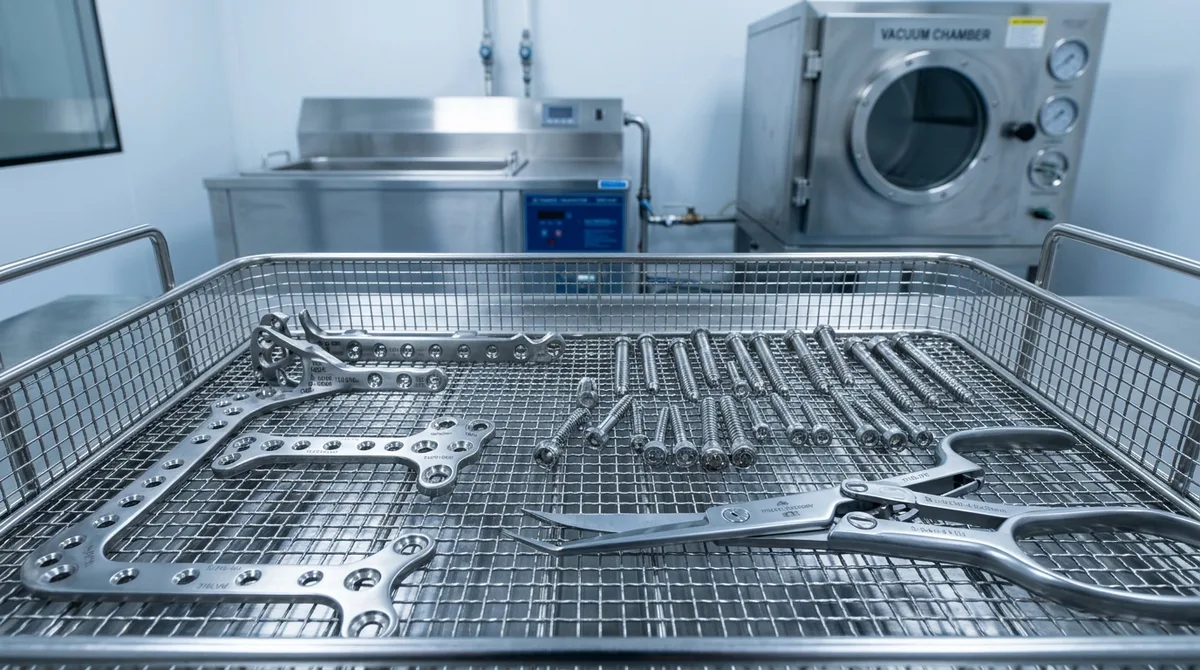
3D Printing for Medical Devices
Industrial 3D printing accelerates medical device innovation at AS Prototypes by enabling rapid fabrication of complex, patient-matched geometries including trabecular titanium bone implants, prosthetics, and precisely tailored surgical cutting guides. We utilize direct metal laser sintering (DMLS) and medical SLA/MJF to ensure every prototype adheres to exacting sterile packaging and biocompatibility standards.
Typical applications: Trabecular Bone Implants, Spinal Fusion Cages, Dental Copings, Surgical Cutting Guides, Prosthetic Sockets, and Anatomical Study Models.
Typical materials: Medical Titanium (Ti-6Al-4V DMLS), Cobalt-Chrome, Medical-Grade PEEK, Biocompatible SLA Clear Resin, and PA12 Nylon.
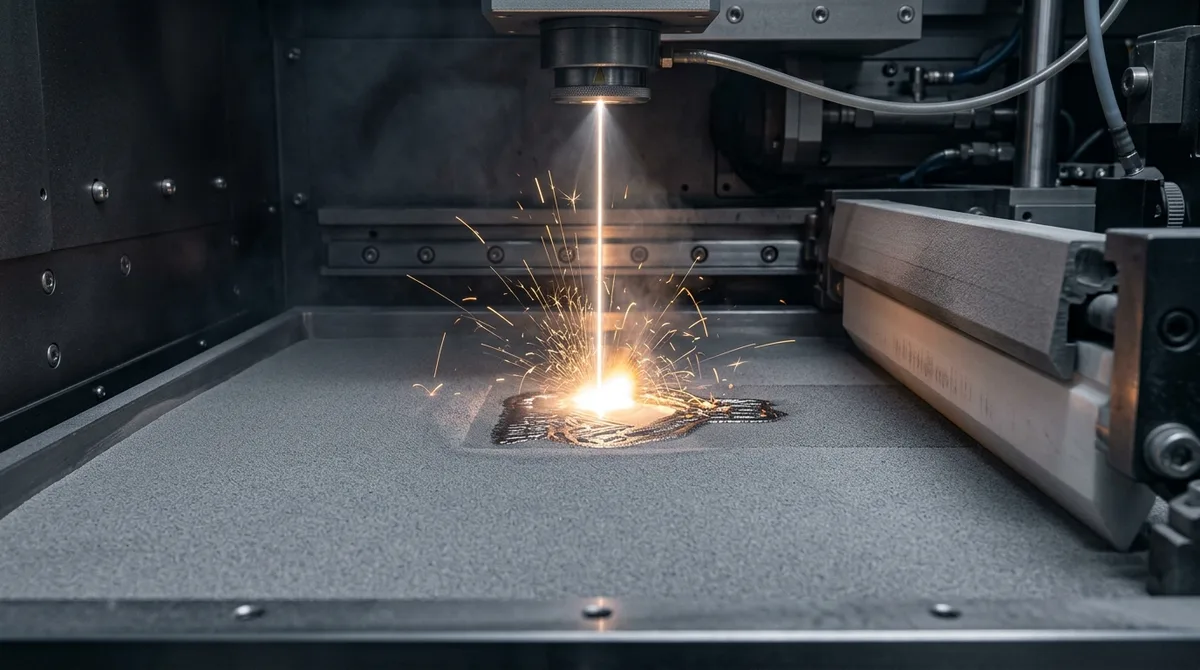
Vacuum Casting for Medical Devices
Polyurethane vacuum casting using precision silicone molds delivers production-grade tactile aesthetics and mechanical fidelity for pre-clinical batches (10 to 50 sets) without hard tooling expense. This process is ideal for medical monitor housings, diagnostic cartridges, and elastomeric seals, allowing medical device teams to quickly validate ergonomic handgrips and clinical workflow before committing to steel tooling.
Typical applications: Medical Monitor Bezels, Diagnostic Cartridge Enclosures, Fluidic Valves, Soft-Touch Grips, and Elastomeric Gaskets.
Typical materials: Clear Polyurethane (PMMA/PC Simulating), Flame-Retardant ABS-like PU (UL94 V-0), Medical-Grade Silicone Elastomers (40A–80A Shore).
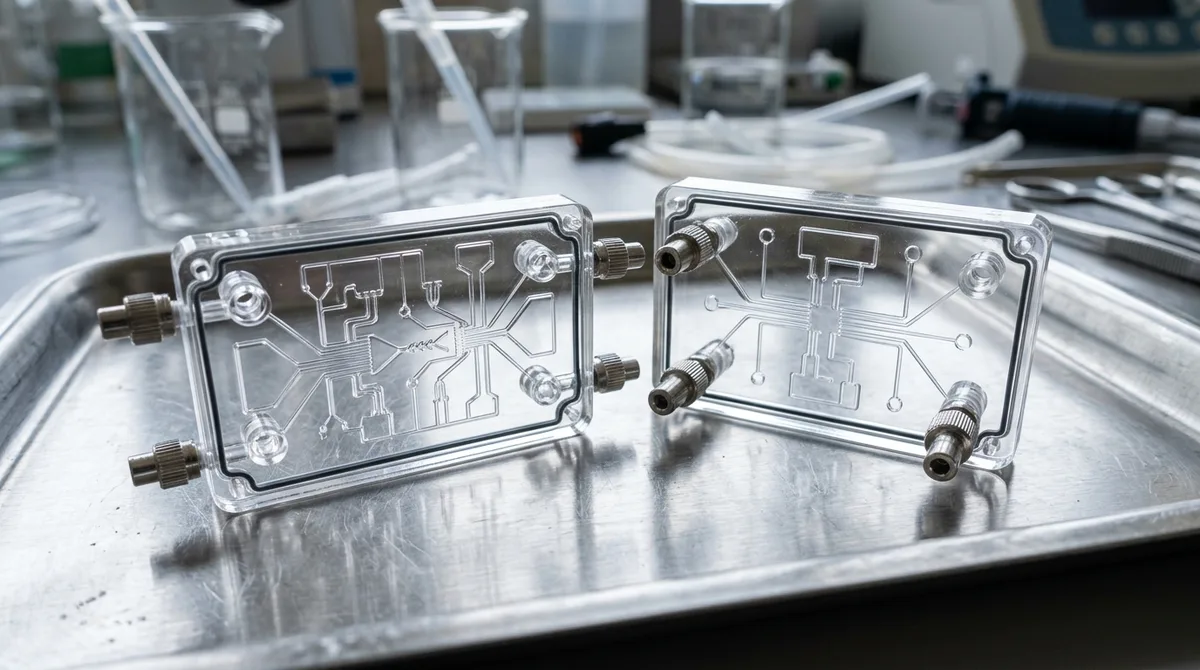
Rapid Injection Molding for Medical Devices
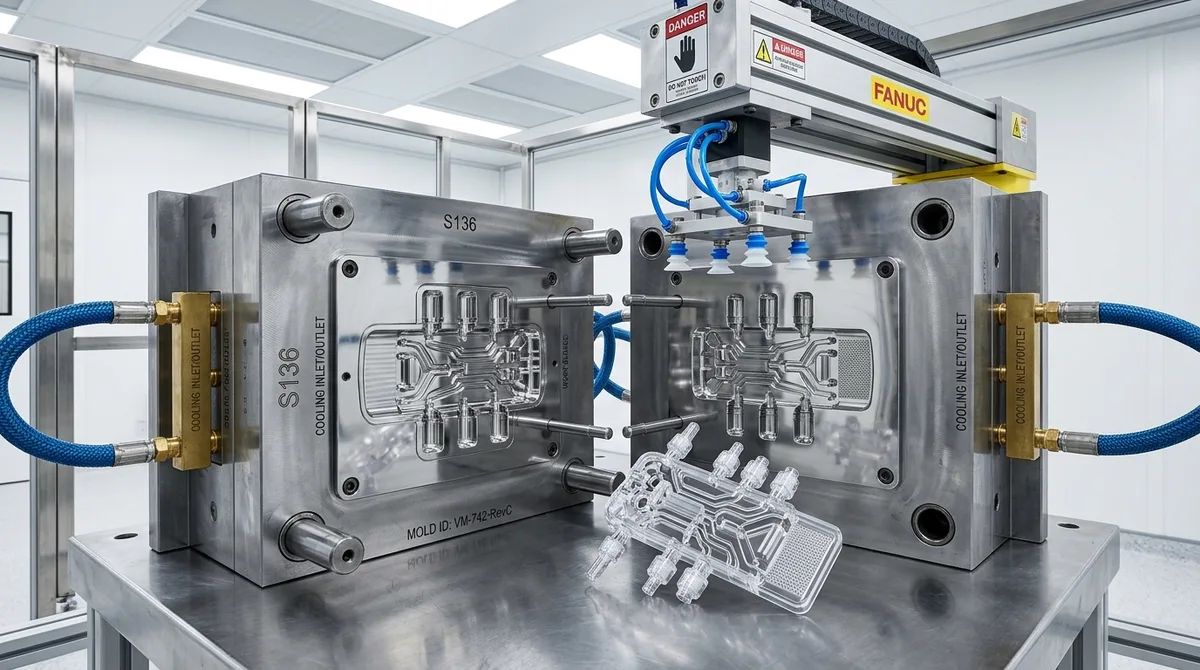
Rapid injection molding is an optimal solution for medical device manufacturers requiring low-volume molded parts. It effectively supports manufacturability analysis, engineering tests, clinical evaluations, investor demonstrations, and readiness for production in the advanced phases of medical and health product development. Additionally, it serves as an intermediary between prototyping and full-scale production, allowing for the early detection and resolution of issues before transitioning to manufacturing.
Typical applications: Syringe Barrels, Surgical Clips, Drug Delivery Systems, Medical Housings, and Diagnostic Test Kits.
Typical materials: Polypropylene, Polycarbonate, Polyethylene, ABS, and PEEK.
Sheet Metal for Medical Devices
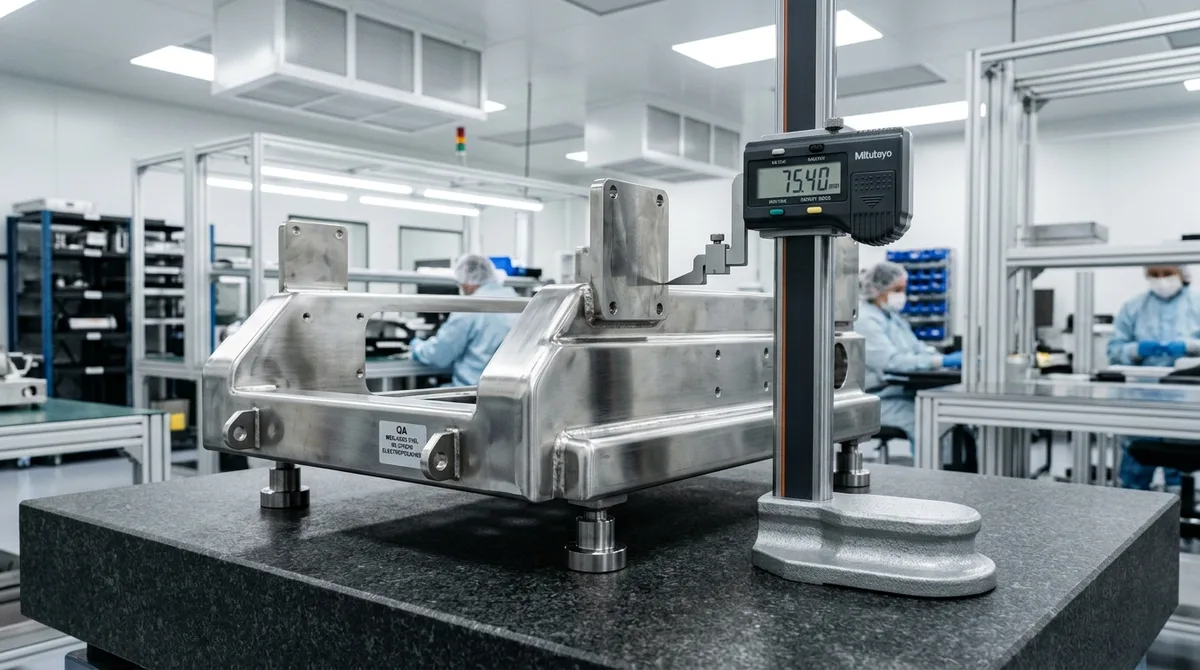
Sheet metal fabrication is an essential technique in the production of medical devices, emphasizing precision and adaptability. This process involves cutting, bending, and assembling metal to create components for devices ranging from surgical instruments to enclosures for medical machinery. The ability to meet exact specifications and maintain high tolerances makes sheet metal ideal for complex medical applications. Additionally, materials like stainless steel used in this process can be easily sanitized and are corrosion-resistant, supporting the stringent hygiene standards required in medical settings.
Typical applications: Chassis, Enclosures, Brackets, Surgical Instrument Trays, and Medical Cart Components.
Typical materials: Stainless Steel, Aluminum, and Copper.
Biomedical Surface Conditioning & Passivation Protocol
To guarantee biocompatibility and corrosion resistance in physiological environments, AS Prototypes applies ASTM B912 electropolishing (achieving micro-smooth Ra < 0.1 μm surfaces free of microscopic burrs) and ASTM A967 citric/nitric acid passivation for surgical stainless steels (316LVM), alongside ASTM F86 surface preparation and passivation protocols for medical titanium alloys (Ti-6Al-4V ELI). All surgical implants and fluidic devices undergo multi-stage ultrasonic cleanroom washing to remove microscopic particulate, cutting lubricants, and organic bioburden.
Standard Medical Device Manufacturing Turnaround & Logistics Demarcation
Production & Logistics Demarcation: All turnaround schedules represent factory completion and quality inspection sign-off (Ex-Factory Production & Metrology Inspection Turnaround). International air express transit via DHL, FedEx, or UPS is strictly separated as an additional 3 – 5 Business Days air transit depending on destination customs clearance.
Ready to Prototype or Scale High-Precision Medical Devices & Implants?
AS Prototypes delivers Swiss-type micro turning, 5-axis continuous milling, and cleanroom-ready polymer/metal prototyping for medical device manufacturers worldwide. Every component is validated with on-demand Zeiss CMM inspection, material Mill Test Reports (MTR), and full FAI documentation.