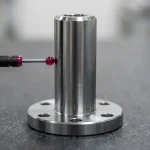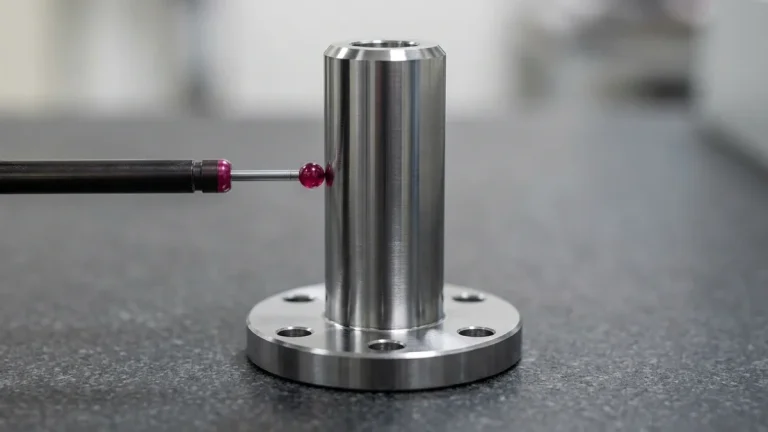
GD&T Straightness (—): Surface vs. Axis & MMC Guide
Master GD&T straightness (—) per ASME Y14.5 & ISO 1101: surface line elements vs derived median line (⌀), Rule #1 override, MMC bonus, and shaft grinding.

Master GD&T straightness (—) per ASME Y14.5 & ISO 1101: surface line elements vs derived median line (⌀), Rule #1 override, MMC bonus, and shaft grinding.
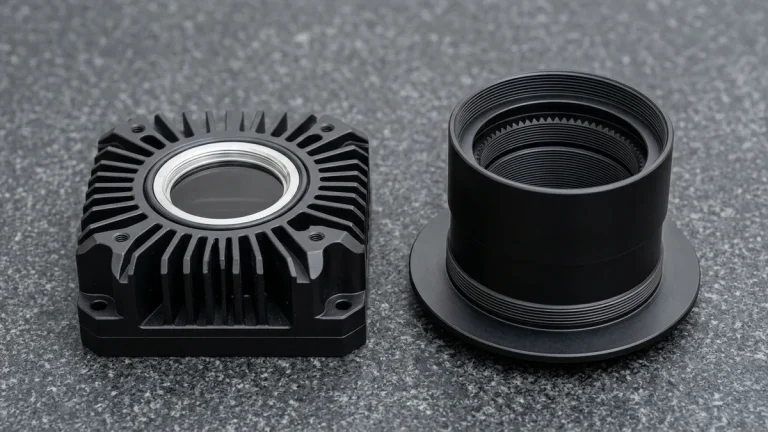
Precision imaging devices manufacturing guide for security cameras: 6061-T6 optical barrels, M0.5 threads, matte black anodizing, and A380 IP67 sealing.
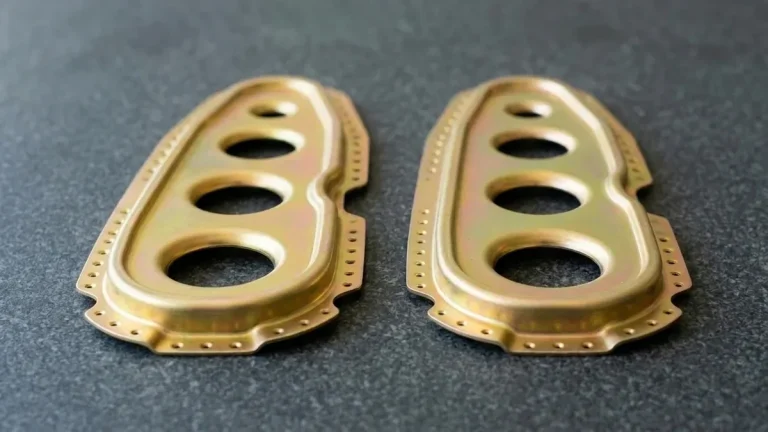
Aerospace sheet metal fabrication DFM guide: 2024-T3, 7075-T6 & Ti-6Al-4V bend radii, rubber-pad hydroforming flanged holes, and Alodine finishes.
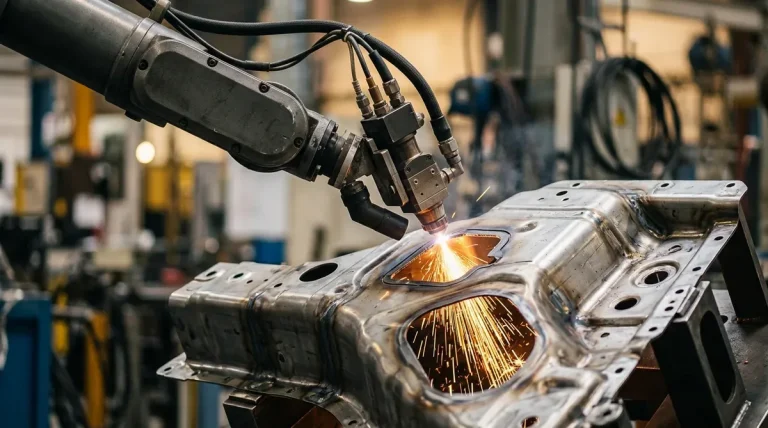
Automotive sheet metal fabrication guide: compare laser cutting, CNC press brake bending, progressive die stamping, hydroforming, and HSLA springback DFM.
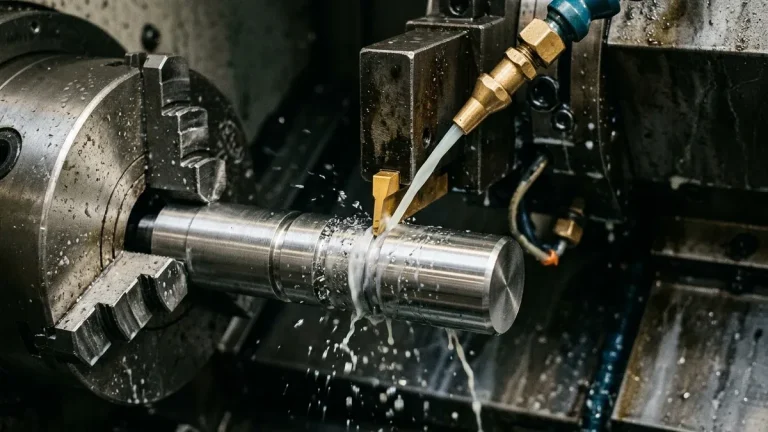
Master CNC grooving machining: external OD, internal ID & axial face grooving, AS568/ISO 3601 O-ring gland squeeze/fill ratios, and carbide boring bars.
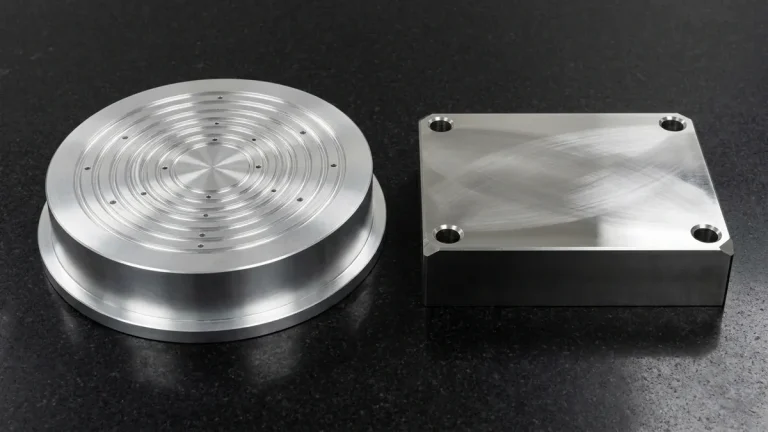
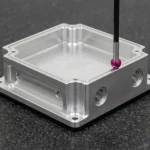
Master the GD&T flatness symbol (⏥) per ASME Y14.5 & ISO 1101: two-parallel-plane tolerance zones, flatness vs parallelism, CNC milling, and CMM probing.
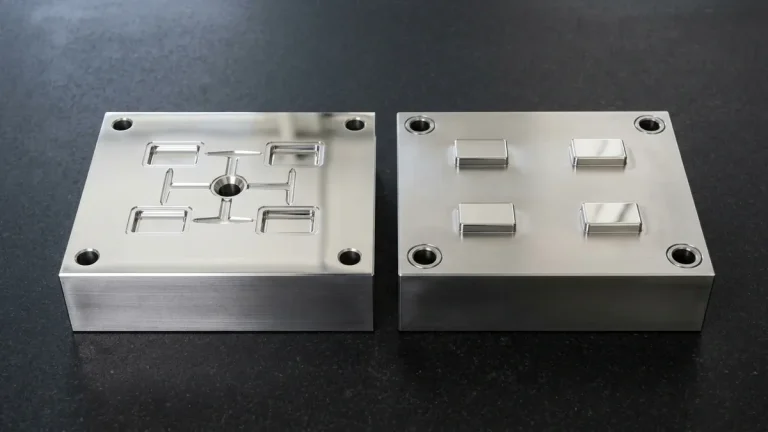
Compare hydraulic vs electric injection molding: ±0.01 mm check-ring repeatability, clamping tonnage math, 55%–70% kWh savings, and PRD mold lead times.
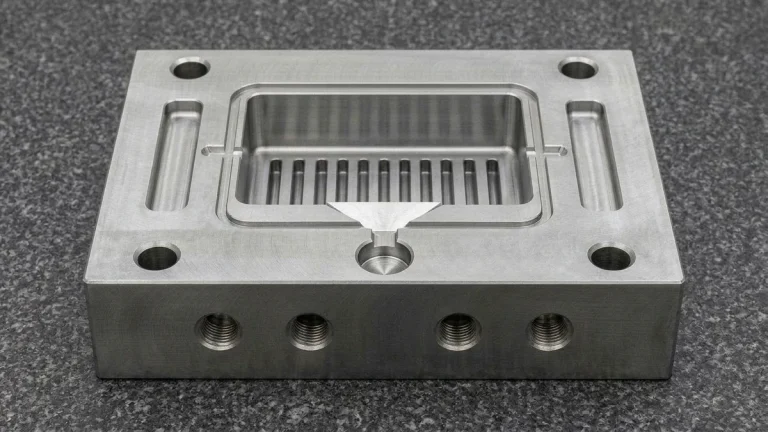
Die casting mold design guide: H13 & DIEVAR steel (44-50 HRC), fan gate & chill vent hydraulics, draft angles, cooling DFM, and 18-35 day T1 tooling.
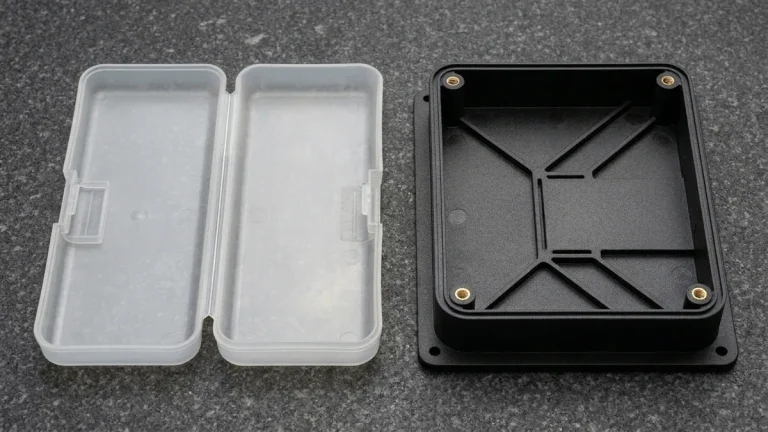
Polypropylene injection molding DFM guide: 0.25–0.35mm homopolymer living hinges, 1.5–2.2% shrinkage scaling, PP-TD20/GF30 grades, and P20/S136 tooling.
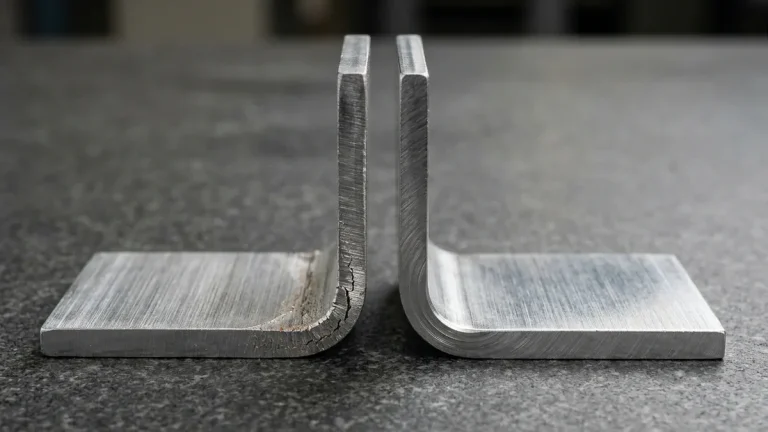
Sheet metal grain direction DFM guide: prevent bend cracking with 5052-H32, 6061-T6 & 304 SS radii, 45° laser nesting, and DIN 6935 K-factor formulas.
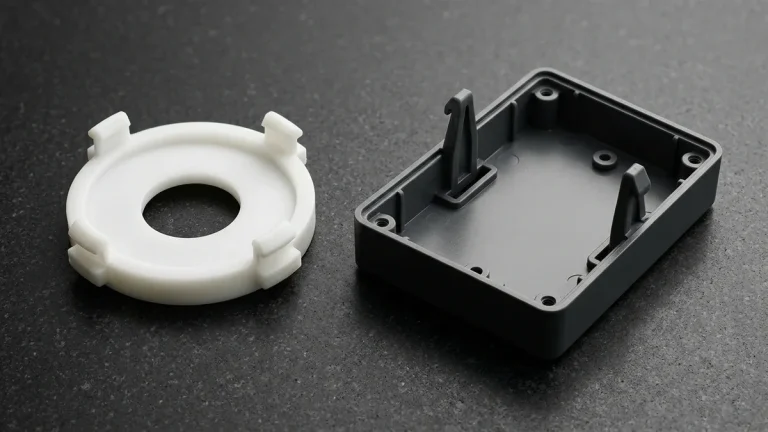
Master snap-fit design for injection molding and CNC prototyping: cantilever strain formulas, 0.5t beam taper, 3° mold shut-off slots, and POM limits.
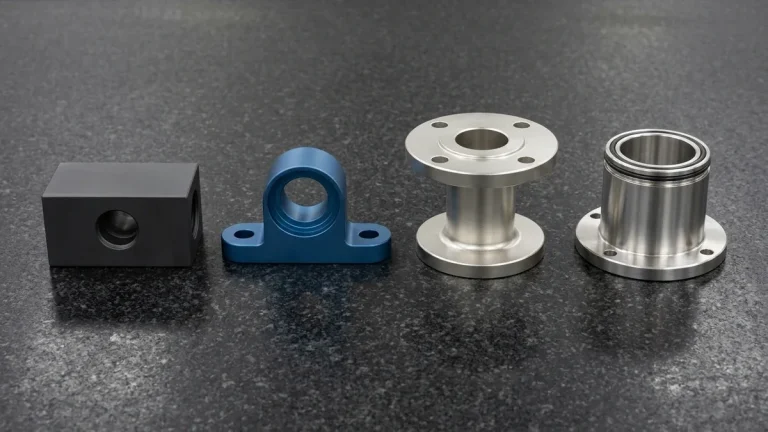
Corrosion-resistant metal parts guide: compare ASTM A967 passivation, MIL-A-8625 Type III hard anodizing, high-phos ENP, and marine alloy tolerances.
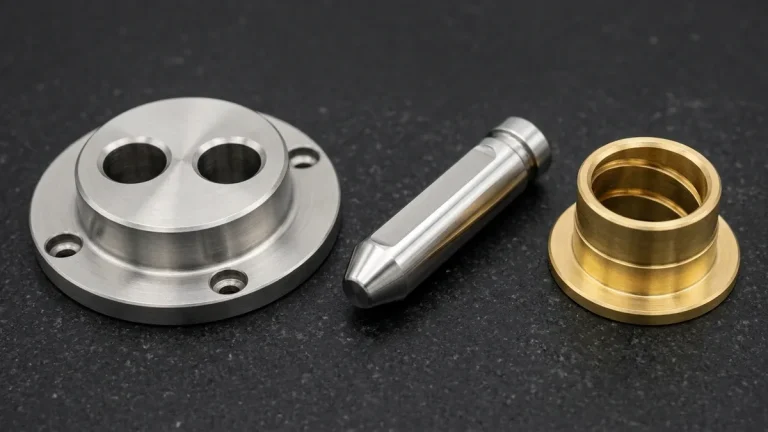
Compare Press Fit vs Slip Fit under ISO 286 (H7/g6 to H7/p6). Hold ±0.005 mm shaft and bore tolerances—upload 3D CAD files for a free DFM review today.
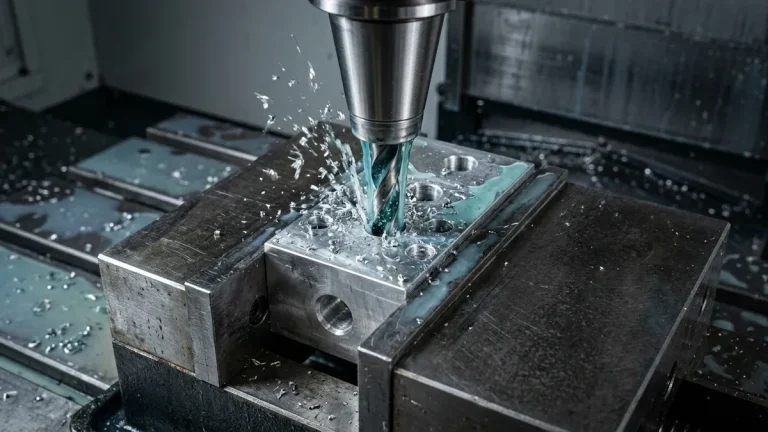
CNC DFM guide to blind holes in machining: drill point cone math (0.3D), 3P-5P tap relief clearance, spiral-flute taps vs thread milling, and 6H gauging.
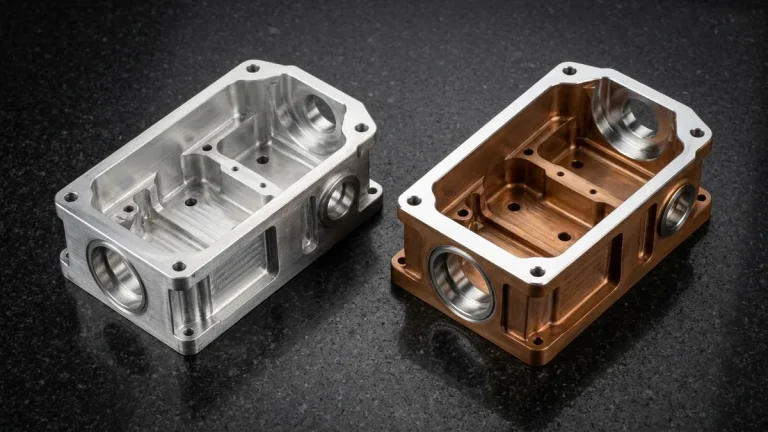
Learn what is precipitation hardening for 17-4 PH (H900–H1150), 7075-T651, and Inconel 718, including 0.05% aging shrinkage and ±0.010 mm CNC tolerances.
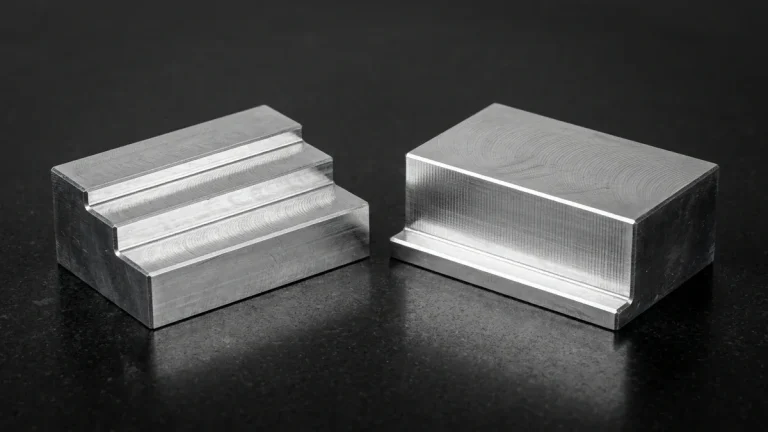
Master depth of cut in CNC machining: optimize axial (ap) and radial (ae) engagement, MRR formulas, HEM chip thinning, tool deflection, and VMC speeds.
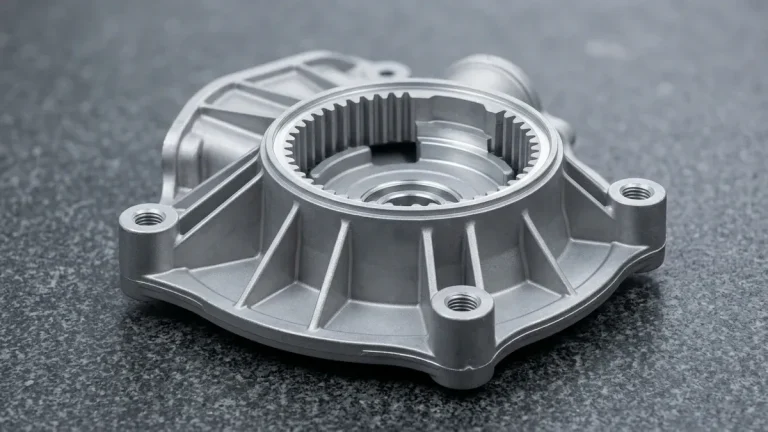
Zinc die casting guide for hardware engineers: compare Zamak 3, Zamak 5 & ZA-8 alloys, 0.6mm thin-wall DFM rules, H13 mold life, and chrome plating.
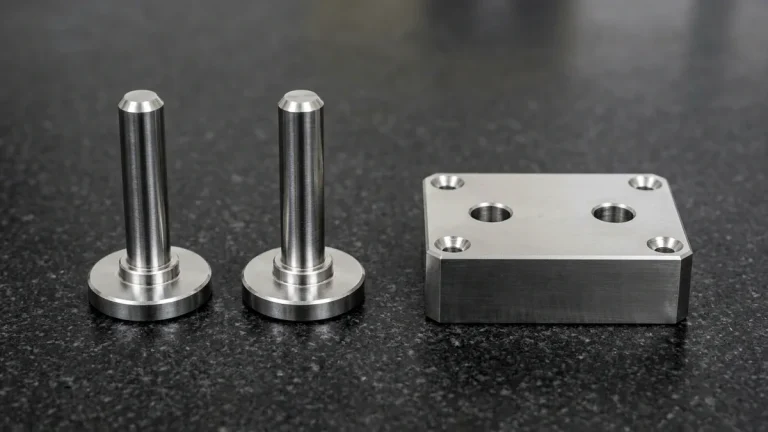
Compare types of pins in mechanical design: ISO 2338/8734 dowel pins (m6/h6), 1:50 taper, spring & clevis pins, H7 fits, shear loads, and blind-hole DFM.
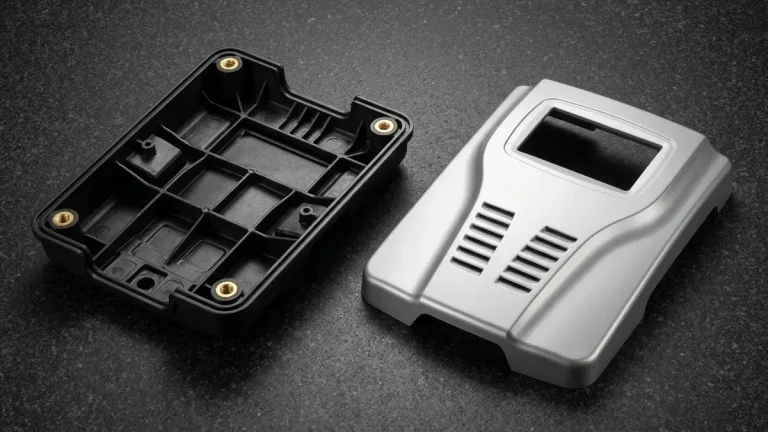
Master Reaction Injection Molding (RIM): impingement mixing, solid vs structural foam polyurethane, 6061-T6 aluminum tooling, tolerances, and DFM rules.
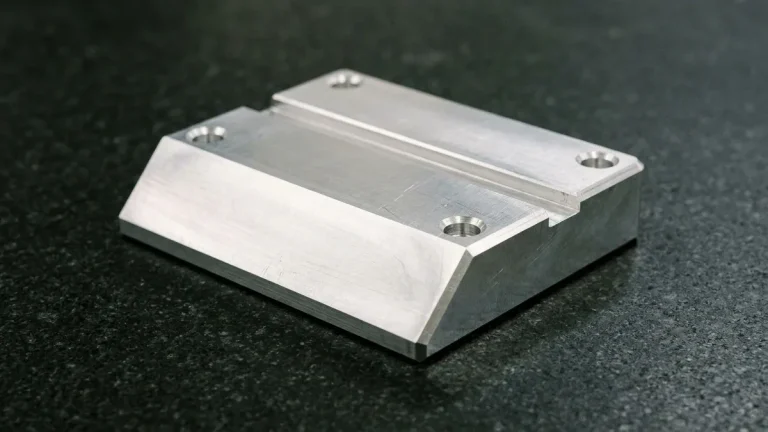
An engineering guide to what is a bevel in CNC machining and metal fabrication. Explore exact geometric distinctions between bevels, chamfers, and fillets, trigonometric width and tool-diameter formulas, ASME B16.25 weld groove preparation angles, 3-axis and 4-axis fixed-angle bevel milling vs. 5-axis swarf milling for compound contours, and actionable DFM guidelines.
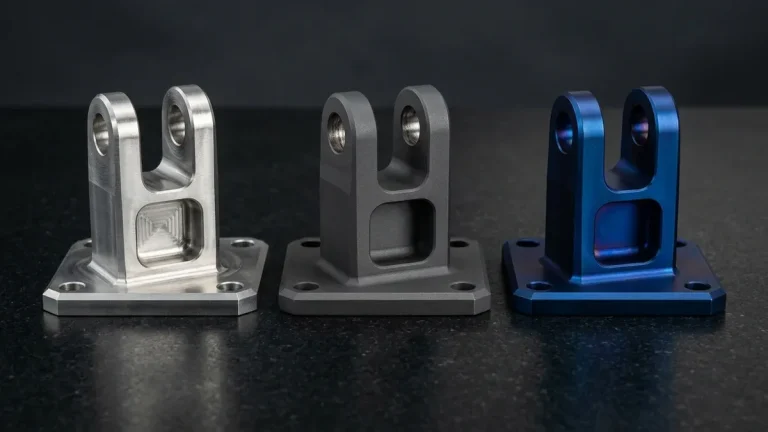
A comprehensive engineering guide to titanium anodizing (AMS 2488 Type II and Type III / ASTM F86), detailing thin-film TiO2 optical interference equations, voltage-to-color progression from 10 V to 105 V, 10:1 nitric-hydrofluoric acid pickling ratios, and CNC machining DFM rules for aerospace and medical hardware.
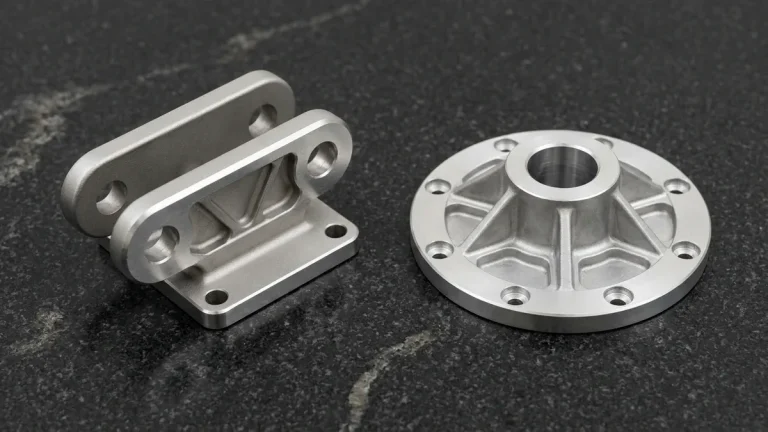
An engineering comparison of investment casting vs die casting covering ferrous versus non-ferrous alloy melting-point boundaries, expendable colloidal silica ceramic shells versus hardened H13 steel dies, ISO 8062-3 CT4–CT7 dimensional tolerances, Chvorinov solidification modulus calculations, and Pearl River Delta turnkey CNC post-machining allowances.
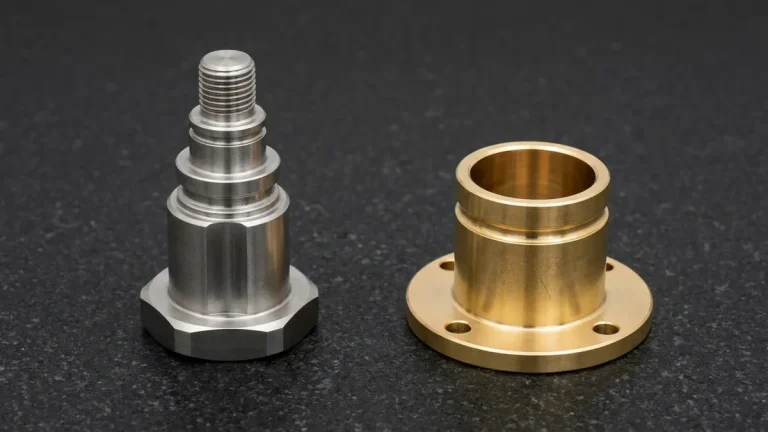
A comprehensive engineering guide to the 10 core types of turning operations in CNC machining—covering external straight and taper turning, G96 facing, grooving, single-point threading, internal boring deflection physics, cut knurling, Swiss-type sliding-headstock kinematics, and actionable DFM tolerances.
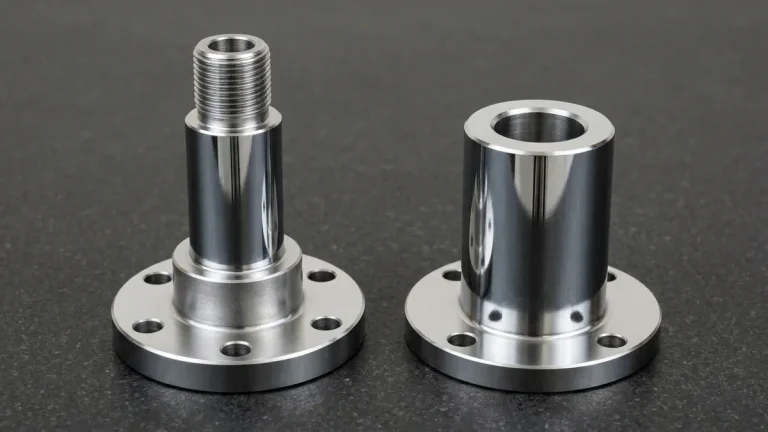
An authoritative manufacturing and DFM guide comparing industrial hard chrome plating (AMS 2460 / ASTM B650 Class 2 / ISO 6158) against decorative bright chrome (ASTM B456), covering chromic acid bath physics, 850–1,000 HV microhardness, ASTM B850 hydrogen embrittlement relief baking, and pre-plate cylindrical grinding stock allowances.
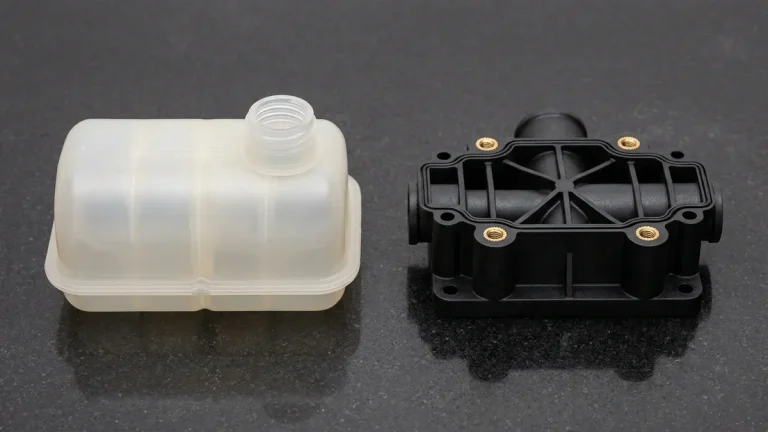
An authoritative engineering comparison of blow molding vs injection molding, analyzing tubular parison pneumatic inflation (0.4–1.0 MPa / 60–150 psi) against high-pressure core-and-cavity thermoplastic injection (35–140 MPa / 5,000–20,000 psi), radial blow-up ratio wall thinning, clamping tonnage calculations, ultrasonic welding workarounds, and DFM selection rules.
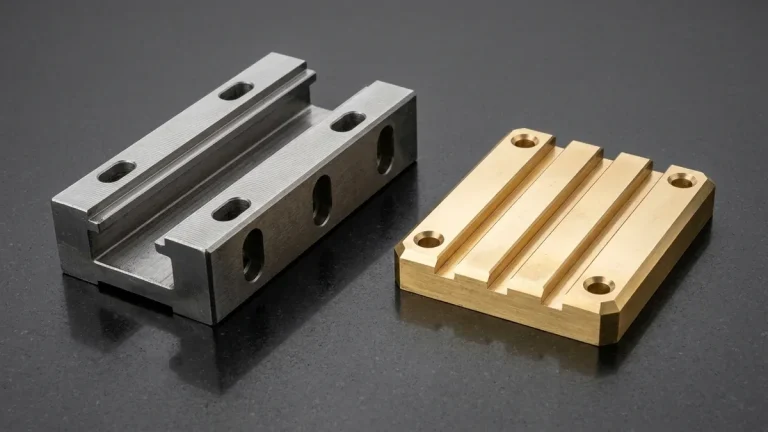
Plain milling (slab milling) is a peripheral subtractive machining process where a cylindrical cutter rotates around a horizontal spindle axis oriented parallel to the workpiece surface. This engineering guide details peripheral chip thickness kinematics, climb versus conventional shearing vectors, simply-supported horizontal arbor deflection calculations, and how modern 3-axis and 4-axis CNC machining centers integrate peripheral milling with face milling and surface grinding.
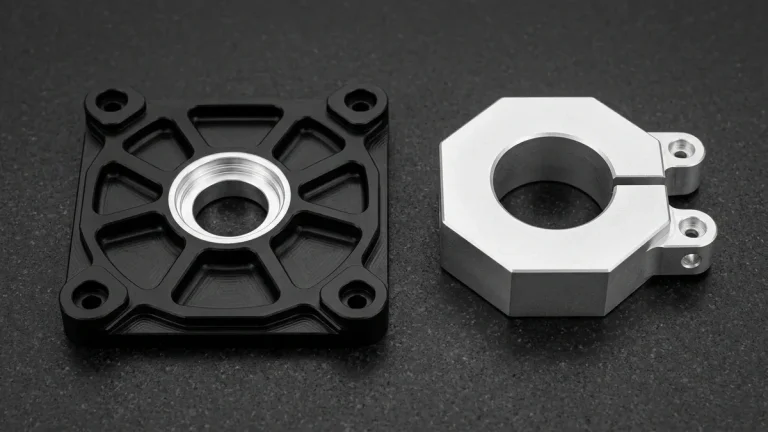
An authoritative engineering guide to industrial drone parts manufacturing from Shenzhen's UAV hardware hub, detailing 7075-T651 structural pocketing mechanics, ISO 1940-1 G2.5 rotor balance formulas, high-speed 3-axis and 4-axis VMC workhorse allocation, pre-anodize H7 bearing fit compensation, and 3K CFRP delamination prevention.
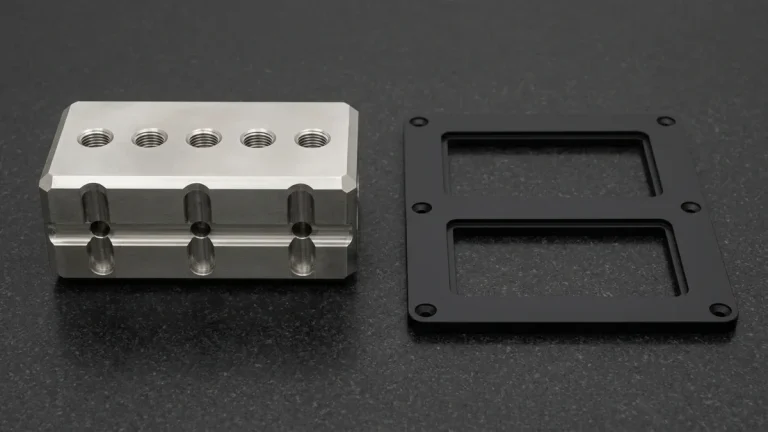
An engineering comparison of CNC router vs CNC mill architectures covering static and dynamic structural loop stiffness (k_static = 5–18 N/µm vs. 50–120 N/µm), spindle torque-speed physics (T = 9,549 P / N), phenolic vacuum table slip limits, and Pearl River Delta DFM tolerances.
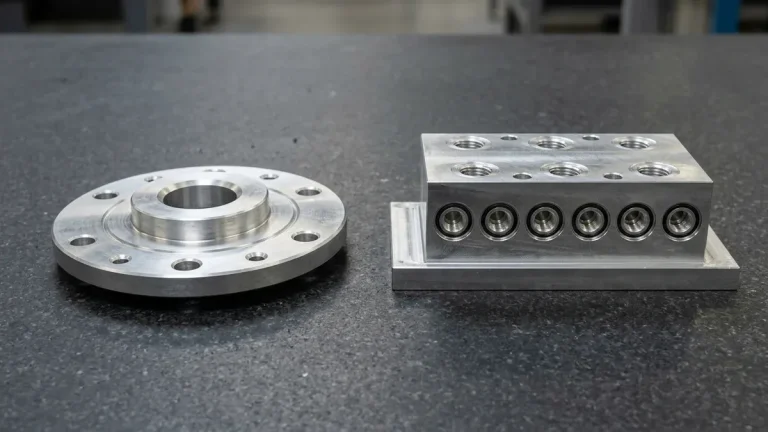
Engineering DFM comparison of vertical vs horizontal milling (VMC vs HMC), covering spindle kinematics, gravity chip evacuation, cantilever tool deflection, 4-axis B-axis tombstone fixturing, RSS datum stack-up math, and ISO 2768-mK / ±0.010 mm tolerances.
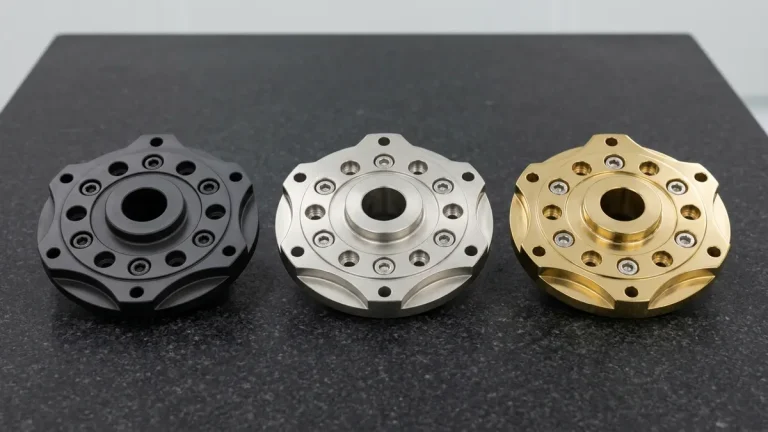
An authoritative engineering guide to the four foundational types of industrial coatings—electrochemical conversion films (MIL-A-8625 Type II/III anodizing, MIL-DTL-5541 SurTec 650, ASTM A967 passivation, MIL-DTL-13924 black oxide), metallic plating (ASTM B733 electroless nickel, AMS 2460 hard chrome, ASTM B841 zinc-nickel), organic thermoset polymers (powder coating, E-coat, PTFE), and vacuum PVD thin films (TiN, CrN, DLC)—covering pitch diameter thread allowances, galvanic compatibility, and dry-film thickness inspection.