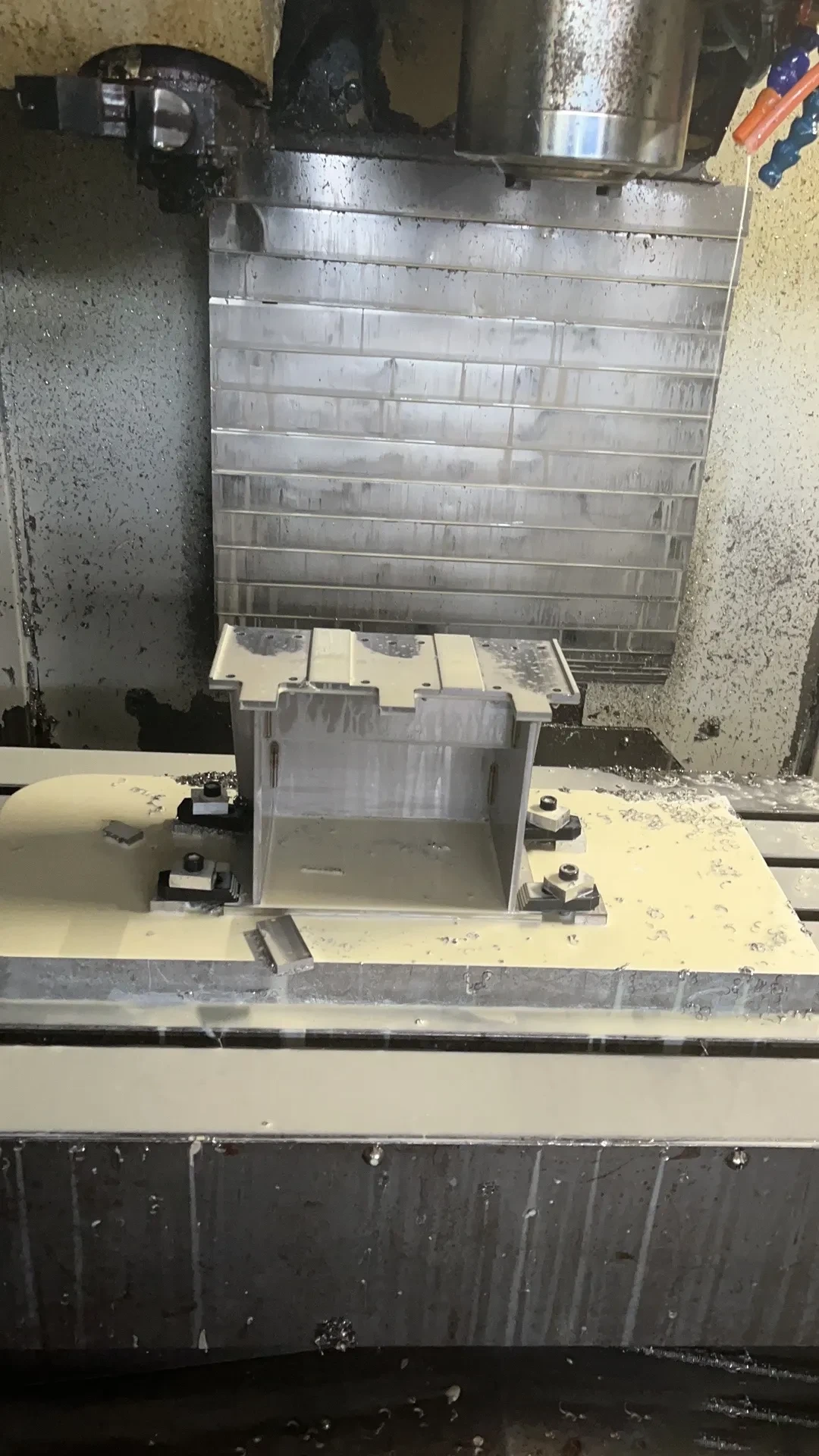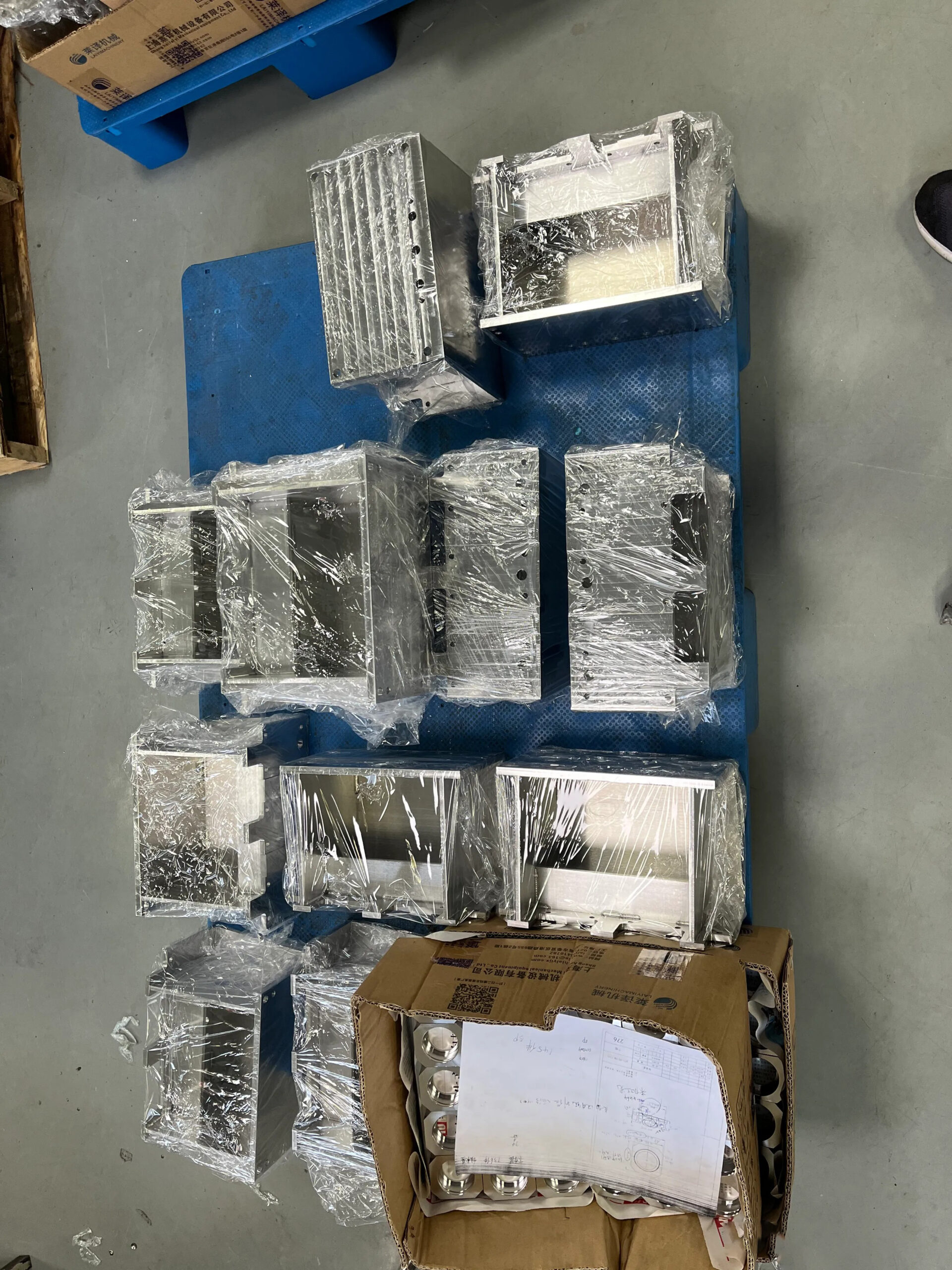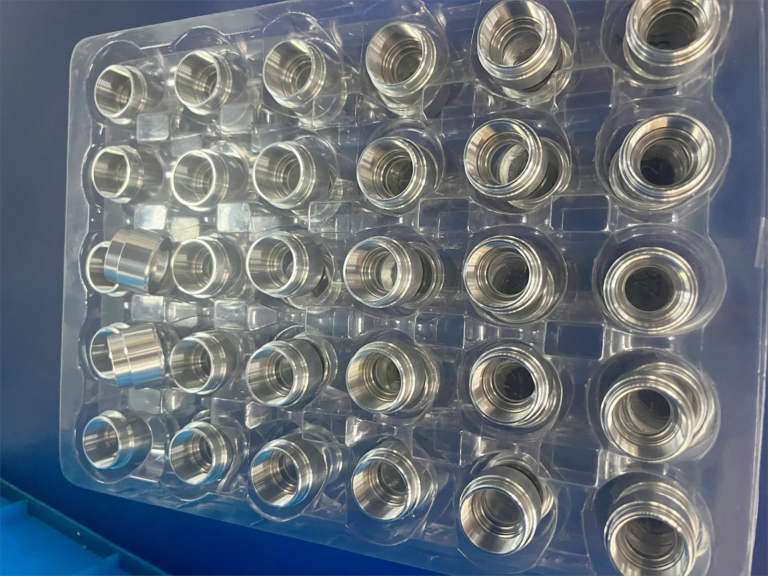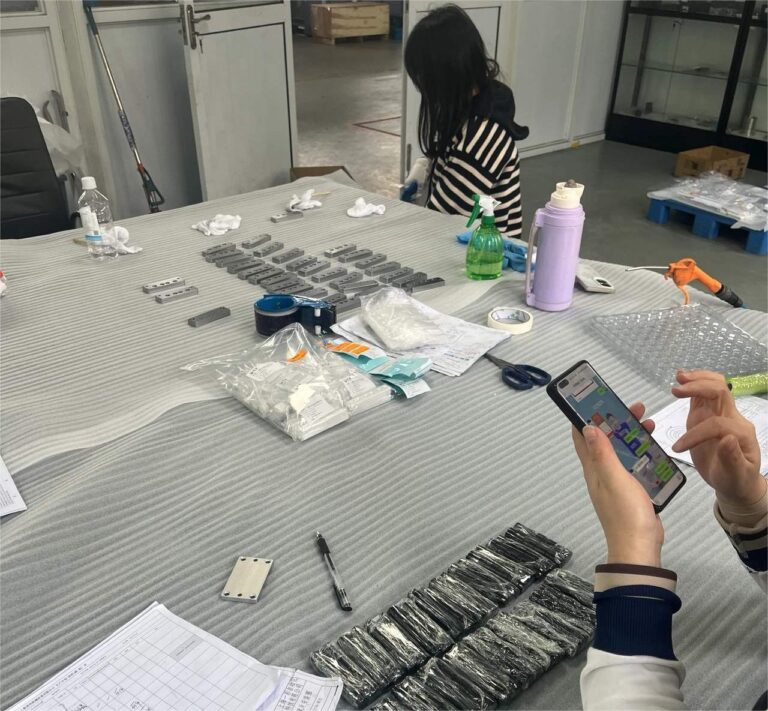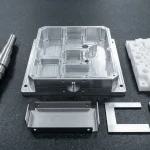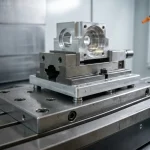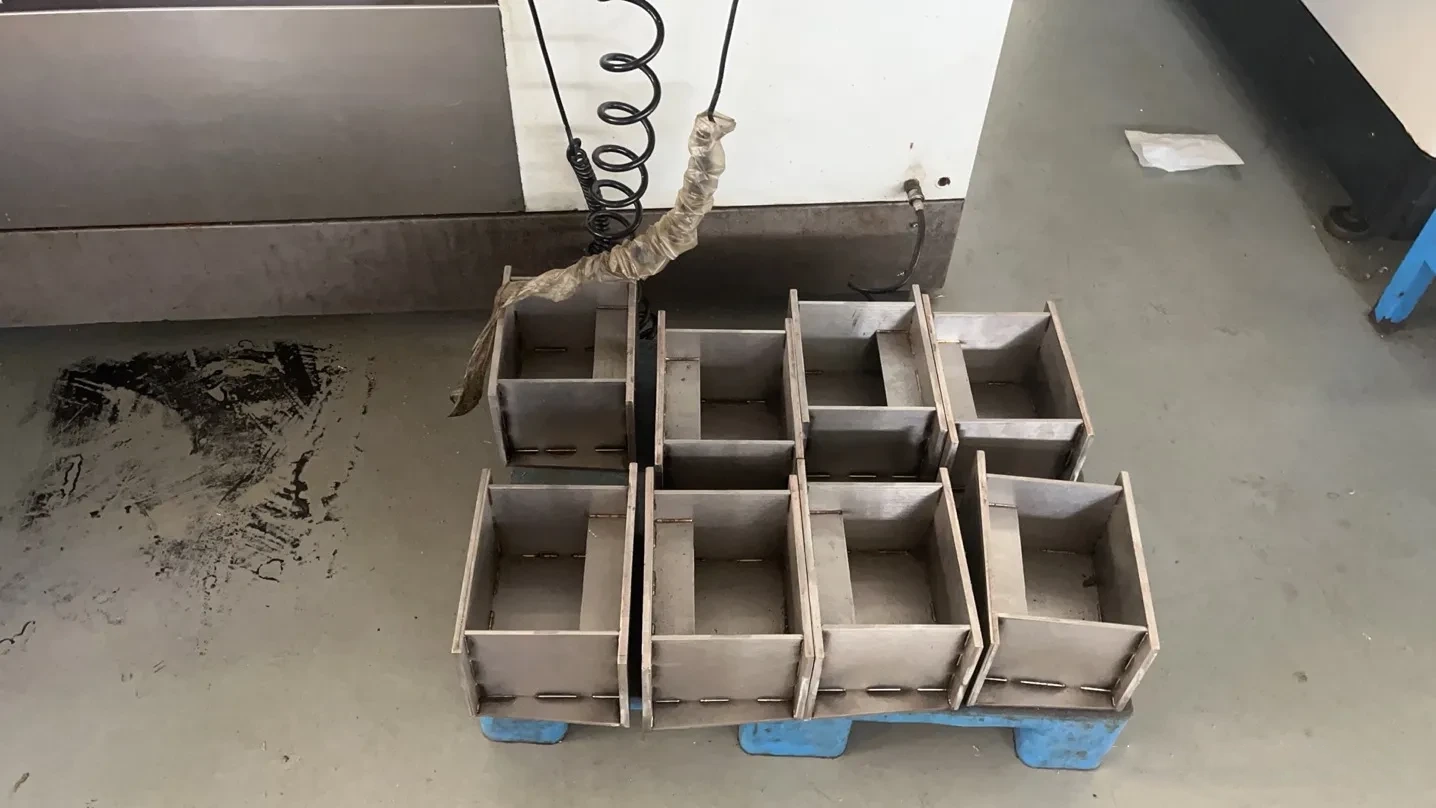
We spent half a month processing 8 pieces of 304 stainless steel welded components because stainless steel welded components inherently require longer processing time.
Compared to aluminum components and purely machined products, stainless steel welded components pose greater challenges in machining. Austenitic stainless steel (such as 304) has moderate base hardness (~80 HRB) but exhibits rapid work hardening, low thermal conductivity (16 W/m·K), and high built-up edge tendencies during cutting, requiring rigid setups and sharp positive-rake carbide tooling, which can result in increased processing time.
In the process of machining welded components, we need to consider allowing for sufficient machining stock allowances. Excessive allowances can prolong cycle time, while inadequate allowances may lead to welding deformation and difficulties in meeting dimensional requirements.
For specialized stainless steel weldments, our engineering team conducts comprehensive pre-machining fixture analysis and stress-relief evaluation to ensure strict dimensional fidelity.