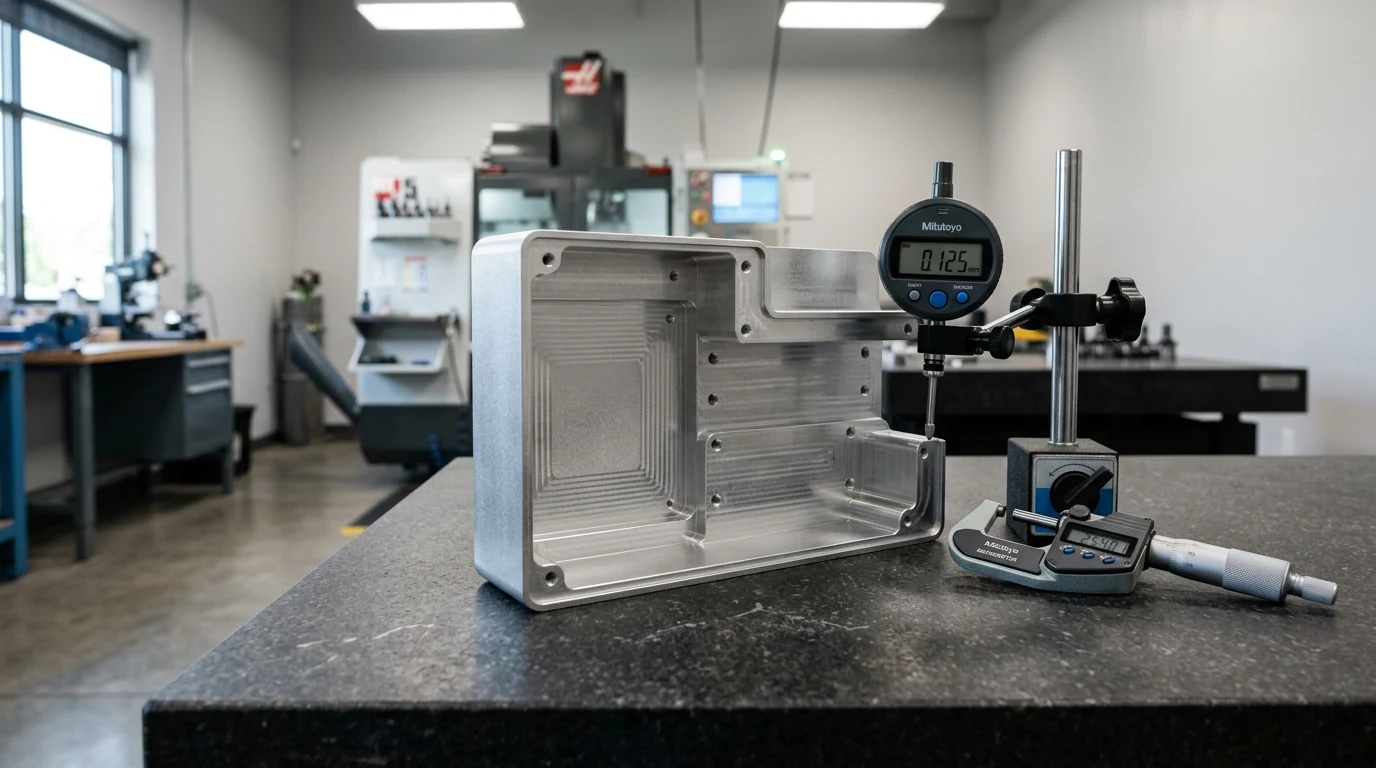
Bringing a new hardware product to market is exciting. However, moving from digital CAD models to real parts always brings technical risk.
This is where rapid prototyping in manufacturing gives your team a decisive edge. Rather than betting your cash on untested tooling, you build physical parts first.
Consequently, your engineers can test form, fit, and real function fast. In addition, physical prototypes catch design flaws before you buy costly steel molds.
At AS Prototypes, we help hardware creators move from concept to reality with confidence. In this guide, we show how early prototypes cut risk, save cash, and speed up market delivery.
Why Prototypes Save Time and Project Cash
Cutting production tooling takes a huge share of your project budget. For example, hard steel molds often cost tens of thousands of dollars.
If you find a flaw after cutting the mold, fixes are painful. Furthermore, fixing steel tools can stall your product launch by many weeks.
In contrast, early prototypes cost very little. By testing real parts, engineers catch thin walls and tight clearances early. Therefore, your team protects its funds and keeps the launch on track.
| Development Stage | Validation Method | Relative Fix Cost | Schedule Delay |
|---|---|---|---|
| Digital CAD Phase | Computer simulation and DFM checks | 1x (Basic CAD update) | 1 to 2 days |
| Rapid Prototype Phase | CNC machining and 3D printing | 5x (Quick part remachining) | 3 to 5 business days |
| Tooling Build Phase | First mold trial inspection | 50x (Tool welding or EDM rework) | 3 to 6 weeks |
| Mass Production Phase | Assembly line scrap and customer returns | 500x (Total recall and new molds) | 3 to 6 months |
Selecting the Best Process for Prototype Testing
Every design stage needs the right shop method. For example, early visual models only need good looks and clean paint.
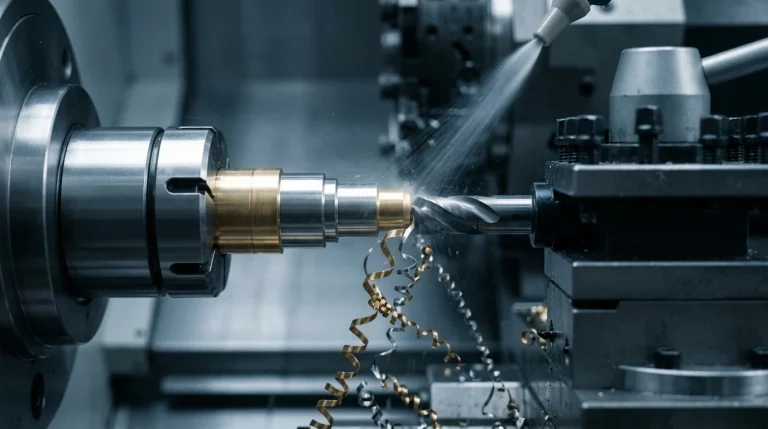
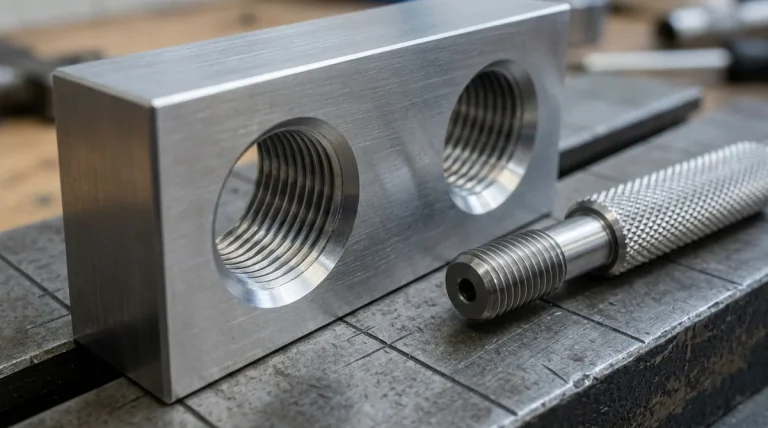
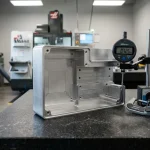
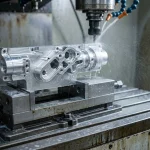
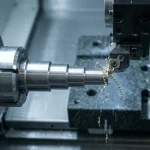
On the other hand, functional test parts need high strength and tight fits. Our shop uses precision CNC machining services to mill real metals and plastics to ISO 2768-mK specs.
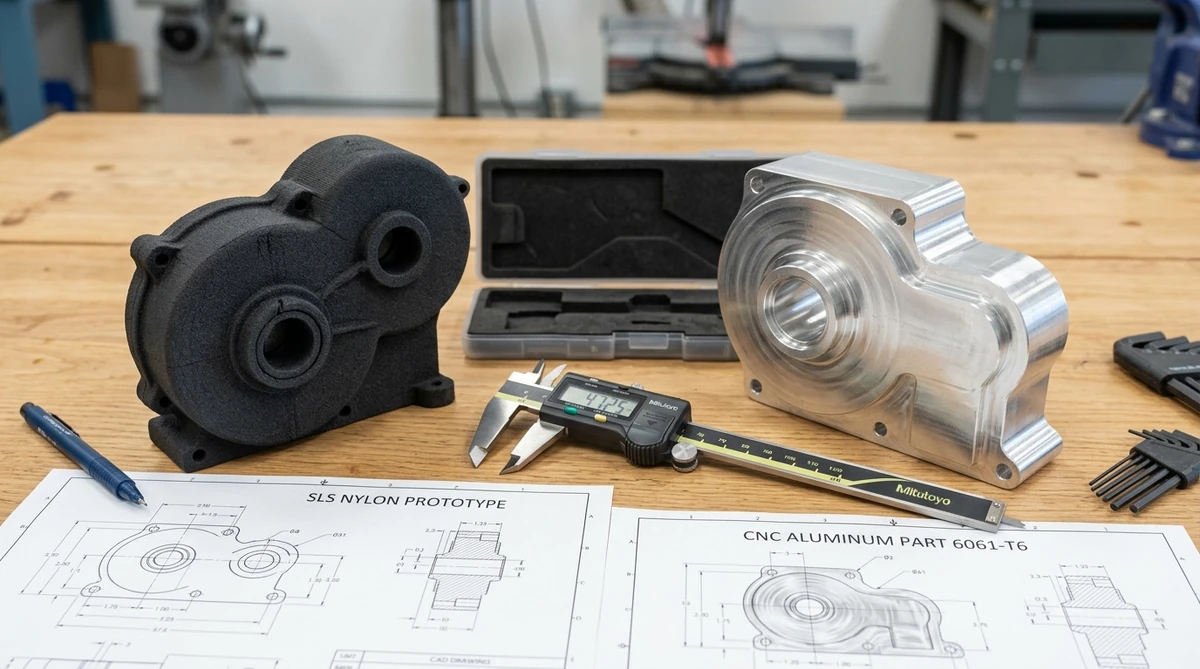
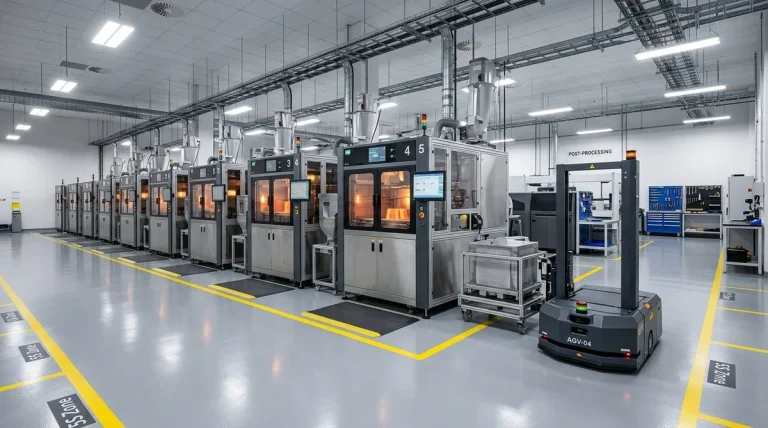
In addition, industrial 3D printing makes parts with complex inner channels without custom tools. As a result, teams get test parts in days instead of weeks.
| Prototyping Process | Common Materials | Typical Tolerance | Best Engineering Application |
|---|---|---|---|
| CNC Milling & Turning | 6061-T6, 7075, POM, PEEK | ±0.010 mm to ±0.05 mm | Load-bearing parts, gearboxes, and precision housings. |
| Industrial 3D Printing | Nylon PA12, Resin, Ti6Al4V | ±0.10 mm to ±0.20 mm | Complex geometries, concept models, and ducting. |
| Polyurethane Vacuum Casting | ABS-like and PC-like PU resins | ±0.15 mm per 100 mm | Pre-series test runs and color-matched covers. |
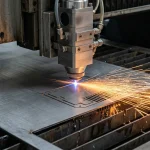
| Sheet Metal Fabrication | Aluminum 5052, Stainless Steel | ±0.20 mm | Server chassis, mounting brackets, and panels. |
Speed Up Market Entry with Pilot Batch Runs
Jumping straight from CAD models to mass production creates huge risk. Instead, smart engineering teams run small pilot batches first.
For plastic parts, polyurethane vacuum casting offers the ideal bridge step. Using soft silicone molds, we cast 10 to 100 parts with fine molded textures.
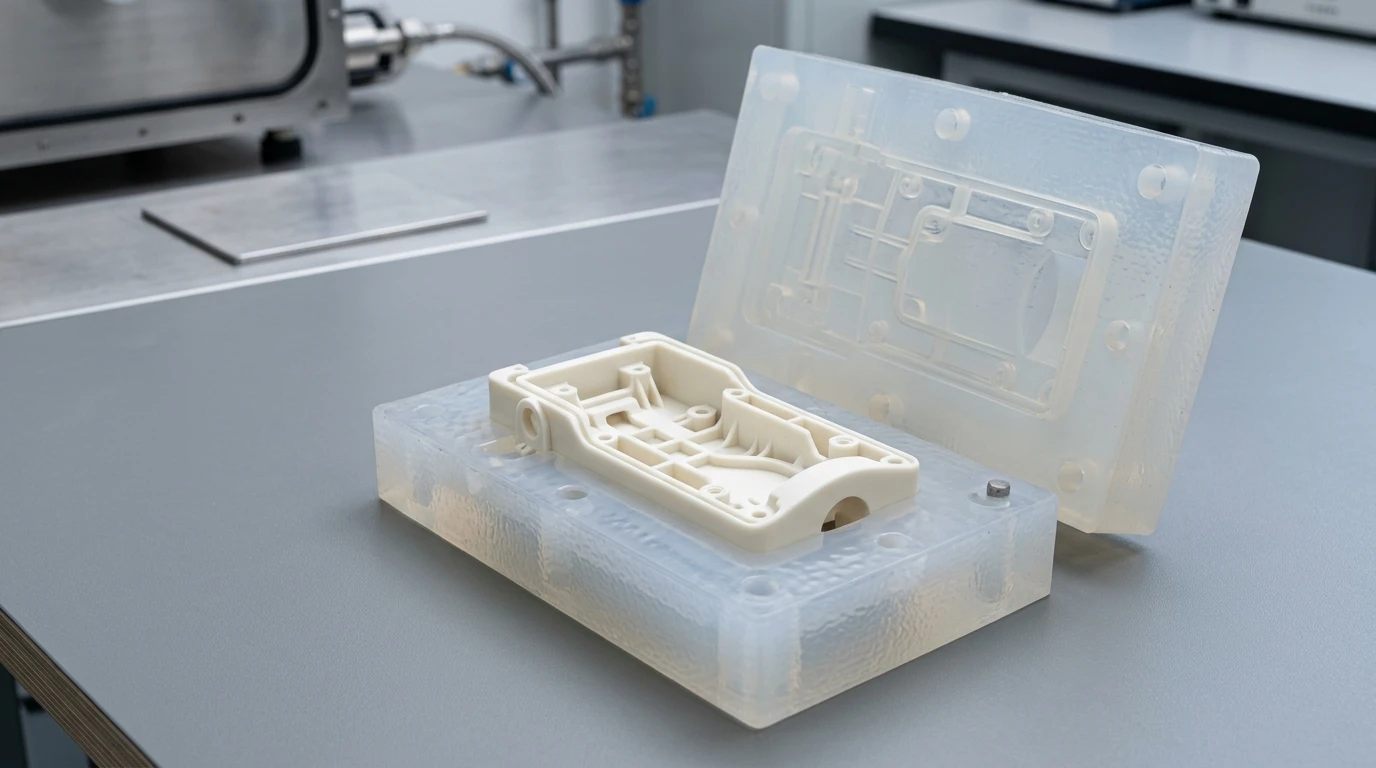
Consequently, your team can run user tests and gain safety marks fast. Furthermore, holding real parts makes meetings with buyers far more persuasive.
Physical prototypes uncover assembly flaws early. Fixing issues before mold fabrication avoids costly tool welding and rework.
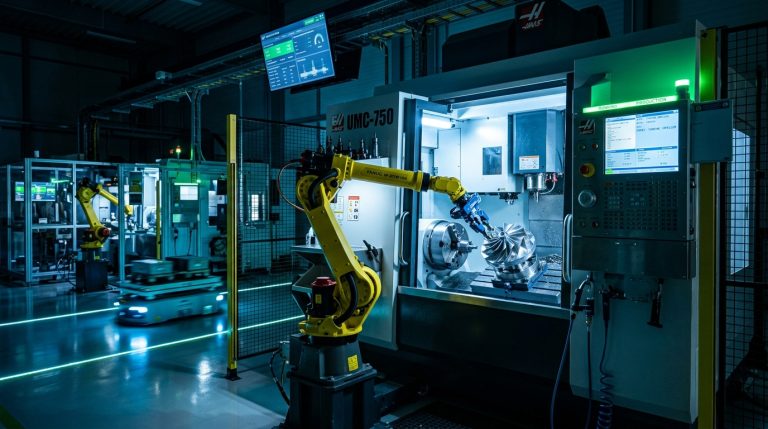
Precision 5-axis CNC machining offers the tightest tolerances down to plus minus 0.01 mm. It also tests real production metals like 6061-T6 aluminum.
Do you need 10 to 50 plastic parts with molded textures? In that case, vacuum casting is much cheaper than 3D printing.
Accelerate Your Next Hardware Project with AS Prototypes
From single functional prototypes to low-volume pilot batches, AS Prototypes delivers precision CNC parts and cast assemblies with fast turnaround. Upload your 3D CAD files today for expert DFM feedback and a competitive quote.
Upload CAD Files for Instant Quote