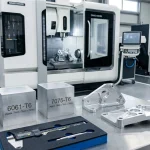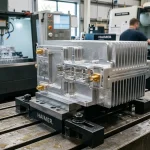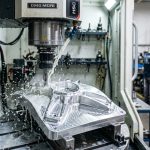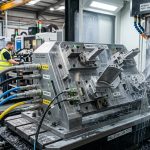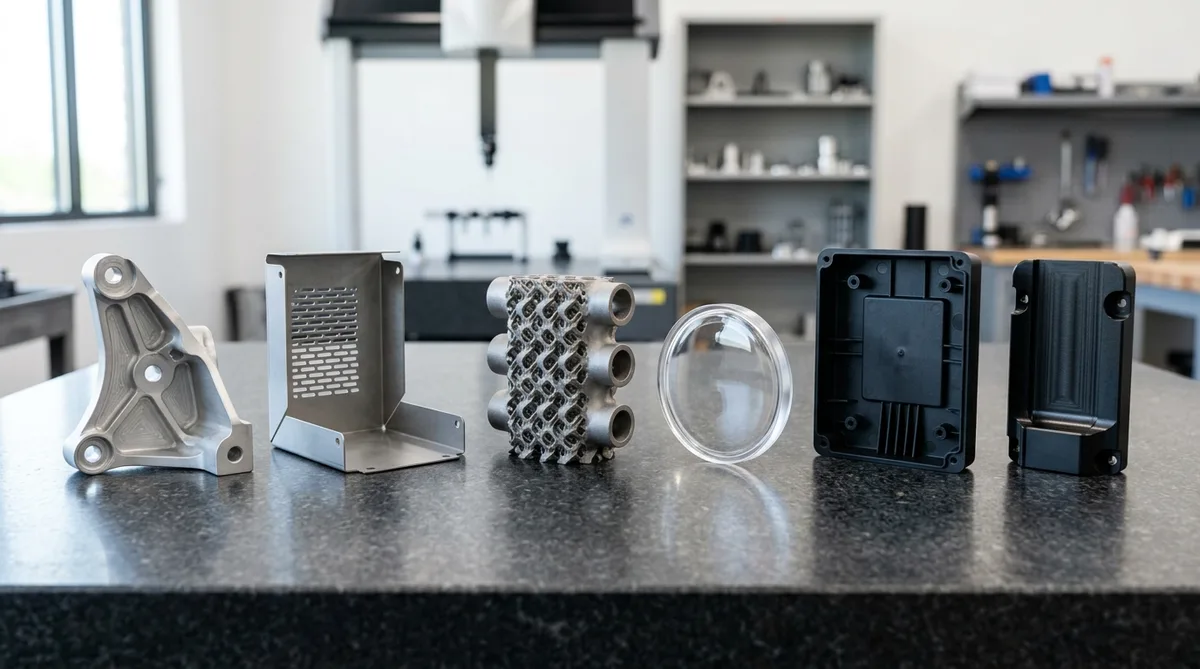
Selecting the optimal prototype manufacturing processes is the most pivotal strategic decision in hardware product development, dictating developmental velocity, capital efficiency, and mechanical validation fidelity. From initial proof-of-concept mockups to functional design verification testing (DVT), relying on an mismatched manufacturing method can introduce misleading structural test results or cause catastrophic budget overruns. At our in-house machine shop and rapid prototyping center, our engineering teams deliver integrated precision CNC machining services, additive fabrication, and vacuum casting services to streamline hardware iteration from 3D CAD to end-use production.
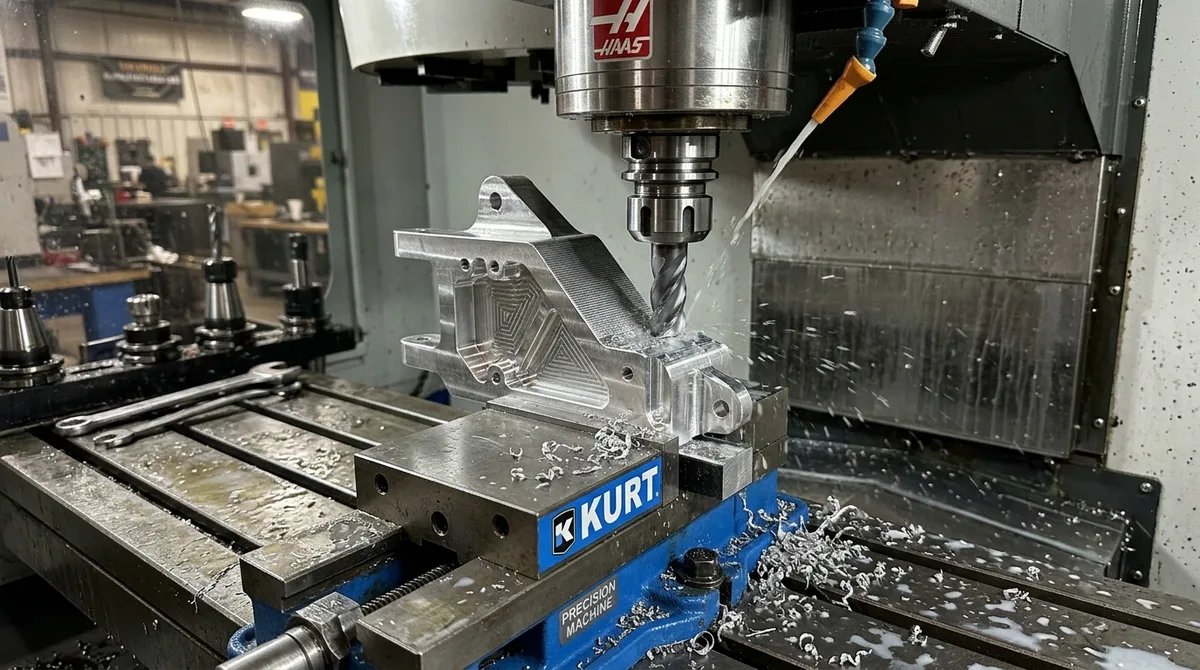
Process 1: Precision CNC Machining (Subtractive Metal & Plastic)
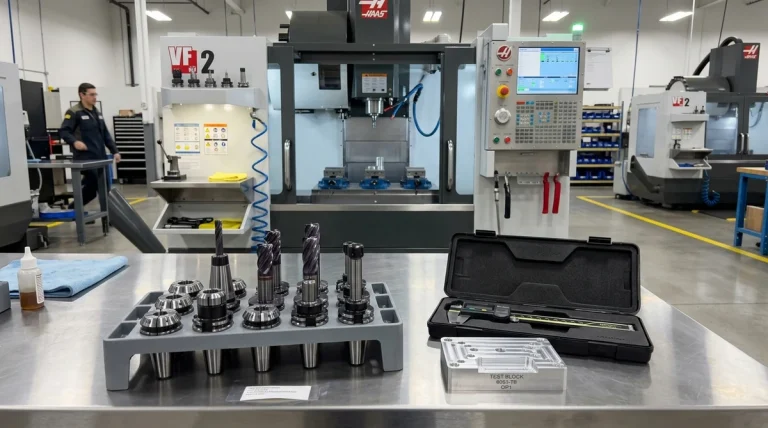
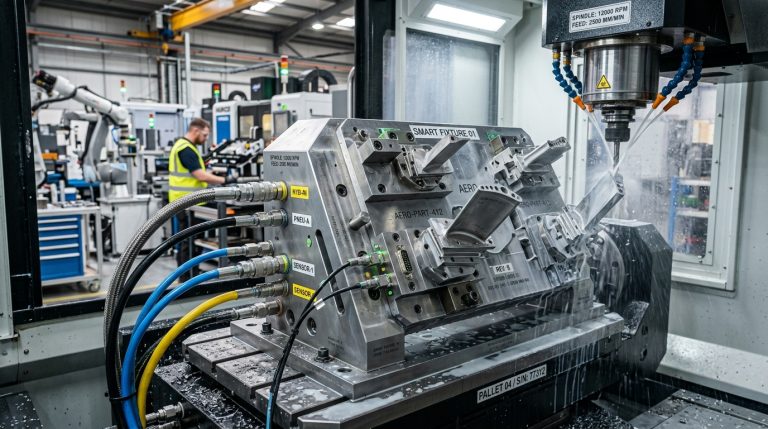
Subtractive CNC machining remains the undisputed gold standard for engineering verification when prototypes require production-grade strength, isotropic mechanical properties, and tight tolerances:
- True Material Properties: Cut directly from wrought billets (such as 6061-T6, 7075-T6, 316L, Delrin, and PEEK), avoiding the micro-voids, porosity, and anisotropic layer weakness common in additive parts.
- Micron-Level Dimensional Accuracy: Linear tolerances of ±0.010 mm (±0.0004 in) and bearing journal bores held to ISO H7 (±0.008 mm) are routinely held across 3-axis, 4-axis, and continuous 5-axis machining centers.
- Direct Surface Refinement: Achieves baseline as-machined finishes of Ra 0.8 μm to 1.6 μm, readily refined to optical Ra 0.2 μm via diamond fly-cutting or post-machining polishing.
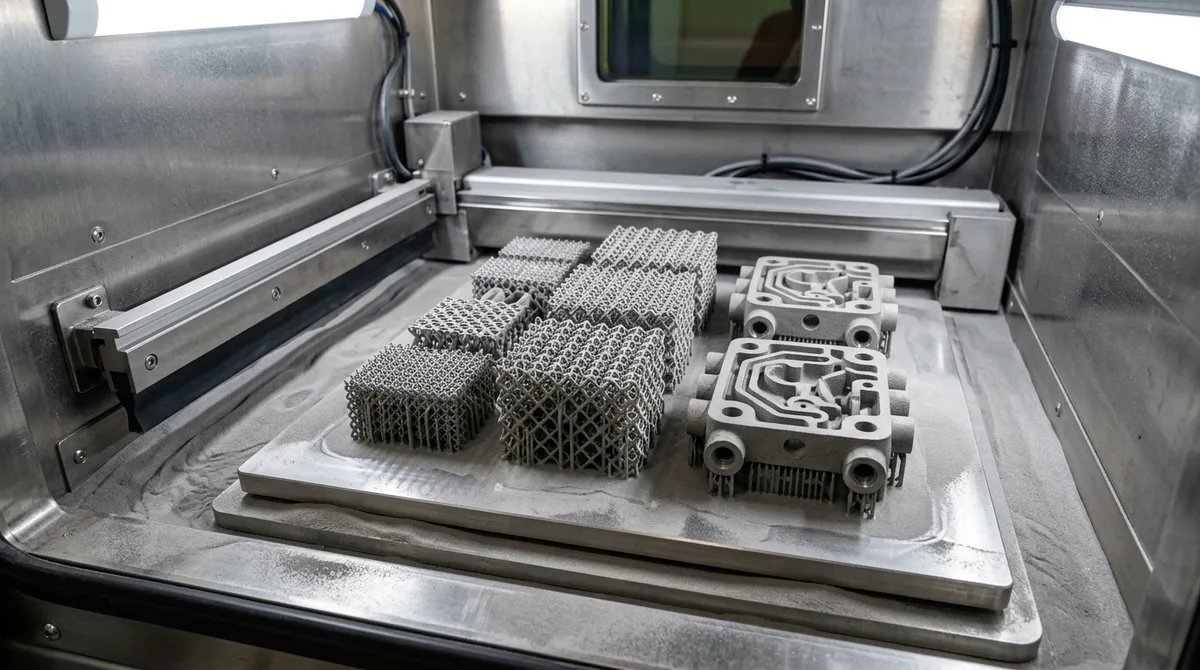
Process 2: Industrial 3D Printing (Additive Manufacturing)
Additive manufacturing delivers unmatched geometric freedom, excelling in early ergonomic studies and internal topological lattice optimization:
- Selective Laser Melting (SLM / DMLS): Fuses gas-atomized metal powders (Ti-6Al-4V, AlSi10Mg, 316L) to generate organic, weight-reduced heat exchangers and aerospace brackets impossible to tool conventionally.
- Stereolithography (SLA): Utilizes UV photopolymerization to create high-resolution aesthetic models with mirror-smooth surface finishes (layer thickness down to 0.05 mm), ideal for cosmetic master patterns.
- Selective Laser Sintering (SLS): Produces durable, self-supporting nylon (PA12) prototypes without requiring sacrificial support structures, accelerating functional snap-fit testing.
Process 3: Custom Sheet Metal Fabrication
When prototyping structural enclosures, chassis brackets, and EMI shielding boxes, custom sheet metal fabrication replicates mass-production stamping performance without high tooling costs:
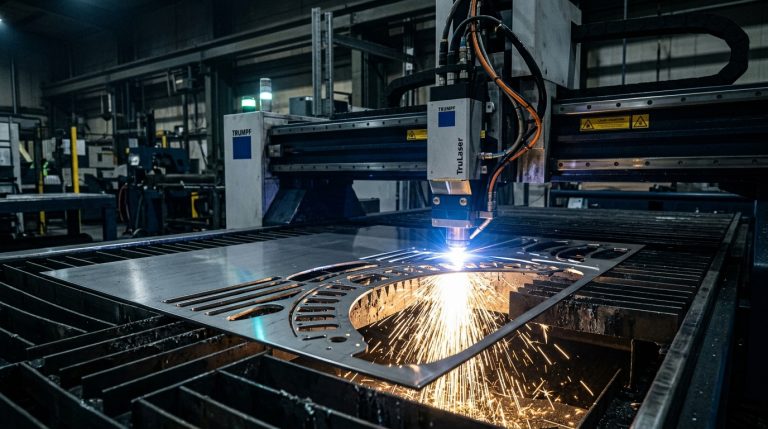
- CNC Fiber Laser Cutting: Rapidly profiles cold-rolled steel, aluminum 5052-H32, and stainless steel up to 12 mm thick with ±0.05 mm contour precision.
- CNC Press Brake Bending: Multi-axis programmable backgauges maintain bend angle accuracy within ±0.5°, utilizing dedicated K-factor bend deduction algorithms to guarantee seamless box enclosure closure.
- Hardware Clinching & Spot Welding: Integrated automated press insertion of PEM self-clinching studs, standoffs, and nuts delivers production-ready assembly enclosures within 3 to 5 business days.
Process 4: Polyurethane Vacuum Casting (Silicone Tooling)
Vacuum casting bridges the economic gap between single 3D prints and expensive metal injection molds for batches of 10 to 100 functional plastic parts:
- Low Tooling Cost: Flexible RTV silicone molds are cast around a high-resolution CNC or SLA master model, costing 80% to 90% less than steel tooling.
- Production-Grade Polyurethanes: Resins mimic the physical and thermal properties of engineering plastics, including ABS-like (PU 8400), polypropylene-like (PU 8150), high-impact polycarbonate, and optically transparent acrylics (PX 5210).
- Overmolding Capabilities: Readily integrates threaded brass inserts and soft-touch elastomeric TPE/TPU gaskets in a single cast cycle.
Process 5: Rapid Tooling & Bridge Injection Molding
When hardware programs require hundreds to thousands of identical thermoplastic parts for clinical trials, field testing, or regulatory compliance, rapid tooling provides the bridge:
- Aluminum & Pre-Hardened Steel Inserts: Utilizing Alumec 89 or pre-hardened P20 / NAK80 steel cores and cavities cuts mold build times from 10 weeks down to 10 to 15 business days.
- Real Production Resins: Parts are molded in actual production resin pellets (e.g., glass-filled PA66, flame-retardant UL94-V0 PC, medical-grade PEEK) under full production clamping pressures.
- Gate & Ejector Validation: Verifies actual shrinkage rates, weld line positions, and cooling sink mark behaviors prior to committing capital to multi-cavity high-volume production molds.
Process 6: Advanced Surface Finishing & Functional Treatments
A prototype is only as good as its final surface treatment, ensuring both environmental durability and presentation-grade cosmetics:
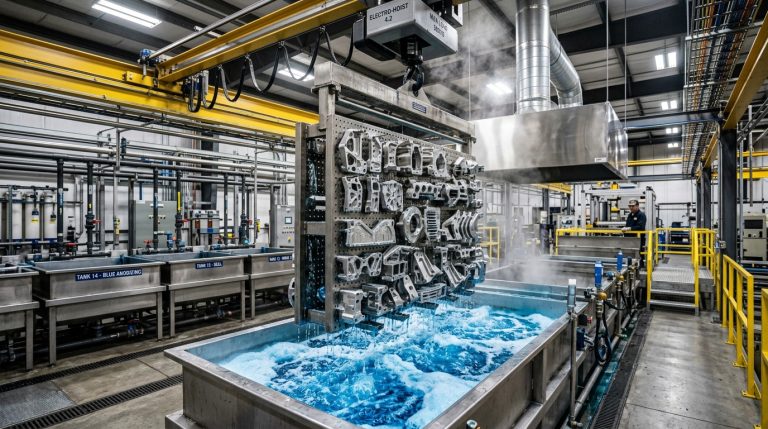
- Anodizing (MIL-A-8625): Type II sulfuric anodizing provides vibrant color matching, while Type III hardcoat builds a 50 μm wear-resistant barrier with 60 HRC hardness.
- Bead Blasting & Brushing: Uniform #120 glass bead blasting obscures minor milling cutter marks, delivering a satin anti-glare finish.
- Chemical Conversion & Passivation: ASTM B117 salt-spray compliant trivalent chromate (SurTec 650) on aluminum and nitric acid passivation on stainless steels guarantee corrosion resistance without altering critical dimensional tolerances.
Comprehensive Comparison of Six Prototyping Processes
The following engineering comparison matrix summarizes the capabilities, economic thresholds, and typical delivery timelines across each prototyping process:
| Prototyping Process | Typical Lead Time | Standard Tolerance | Optimal Quantity | Key Mechanical Advantage |
|---|---|---|---|---|
| CNC Machining | 3 – 5 Days | ±0.010 mm | 1 – 100 pcs | 100% isotropic wrought metal strength |
| 3D Printing (SLM/SLA) | 1 – 3 Days | ±0.100 mm | 1 – 5 pcs | Complex internal lattices & rapid turn |
| Sheet Metal Fabrication | 3 – 6 Days | ±0.200 mm | 5 – 500 pcs | Lightweight, high rigidity structural panels |
| Vacuum Casting (RTV) | 7 – 10 Days | ±0.150 mm | 10 – 50 pcs | Low-cost pre-production plastic parts |
| Rapid Injection Tooling | 10 – 15 Days | ±0.050 mm | 100 – 5,000 pcs | True production-grade molded polymers |
| Surface Finishing Suite | +1 – 3 Days | 5 μm – 50 μm build | All volumes | Corrosion defense & presentation aesthetics |
Frequently Asked Questions
When should I transition from 3D printing to CNC machining for prototypes?
Transition from 3D printing to CNC machining as soon as your design requires functional mechanical stress testing, press-fit bearing assembly, or exact thermal conductivity. While 3D printing is faster for pure form fit, subtractive CNC machining guarantees 100% isotropic billet material properties without layer delamination risk.
How many parts can be molded from a single polyurethane vacuum casting silicone mold?
A single silicone mold typically yields 15 to 25 parts before the aggressive chemical reactivity of polyurethane resins and thermal curing cycles degrade mold sharpness and surface detail. For batch requirements of 50 parts, two to three duplicate silicone tools are cast from the same master model.
What file formats are preferred for quoting rapid prototype manufacturing?
3D CAD models should be submitted in STEP (.step / .stp) or IGES (.igs) format for solid surface evaluation. For parts with critical tapped threads or tight tolerances (e.g., ±0.010 mm), accompanying 2D engineering drawings in PDF format with GD&T callouts are highly recommended.
Transform Your Hardware Concepts into Reality
Whether you need rapid 5-axis CNC machined billets, custom sheet metal chassis, or low-volume vacuum cast components, our in-house facility delivers fast turnarounds and micron-level precision. Upload your 3D CAD files today for an instant DFM manufacturability review and quote.
Upload CAD Files for Prototype Manufacturing →