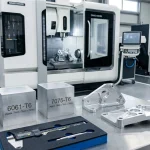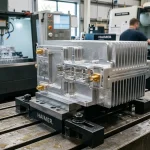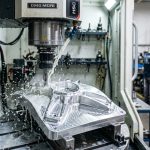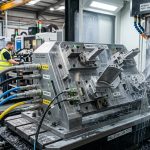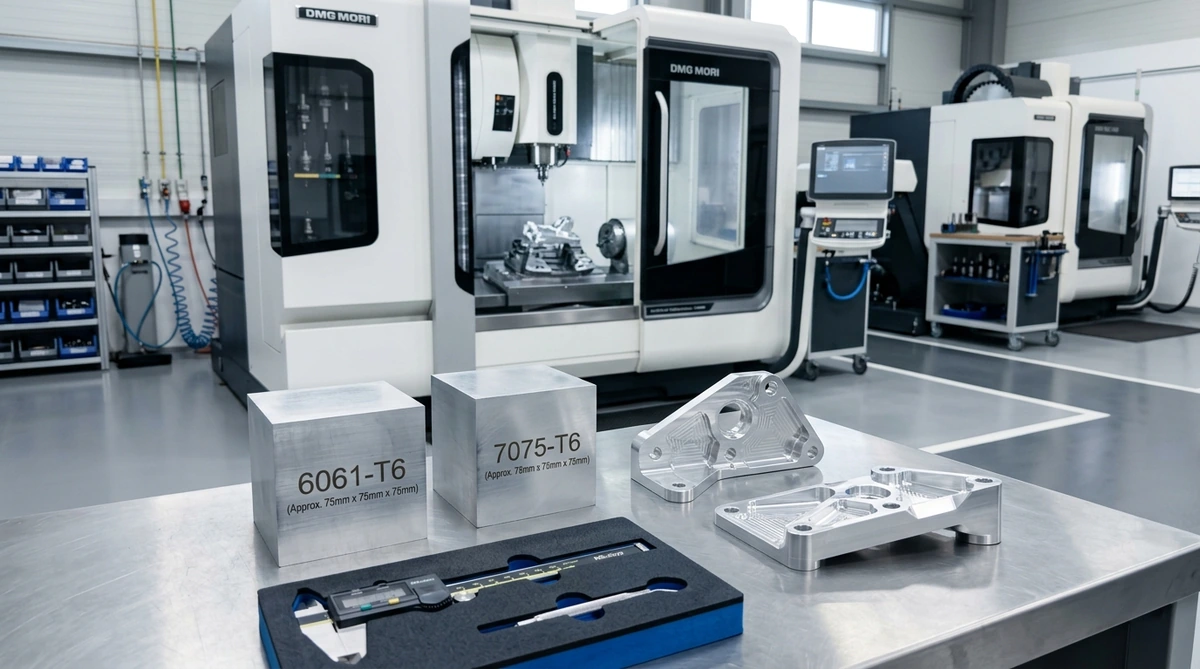
When selecting structural alloys for precision manufacturing, evaluating 6061 vs 7075 aluminum represents one of the most critical engineering decisions. Both wrought alloys offer exceptional strength-to-weight ratios and outstanding CNC machinability. However, fundamental differences in alloying chemistry dictate their mechanical performance, corrosion vulnerability, weldability, and raw material expenditure.
At AS Prototypes, our machine shops process tons of 6061-T6 and 7075-T6 bar, plate, and custom forgings every month. Understanding the metallurgic distinctions between these two workhorses ensures your mechanical assembly survives operational stresses without unnecessary manufacturing overhead.
Metallurgical Breakdown: Chemical Composition Differences
The primary performance divergence stems directly from alloying elements:
- 6061 Aluminum (Al-Mg-Si Series): The 6000 series utilizes magnesium (approx. 1.0%) and silicon (approx. 0.6%) as primary alloying additions, precipitating magnesium silicide (Mg2Si) during T6 solutionizing and artificial aging. This microstructure yields balanced mechanical strength, superb atmospheric corrosion resistance, and excellent weldability.
- 7075 Aluminum (Al-Zn-Mg-Cu Series): The 7000 series is heavily alloyed with zinc (5.1% – 6.1%), magnesium (2.1% – 2.9%), and copper (1.2% – 2.0%). Zinc and magnesium precipitate eta-phase (MgZn2) particles, delivering yield strengths approaching structural steel. However, the substantial copper content renders 7075 sensitive to stress-corrosion cracking and essentially unweldable via standard fusion techniques.
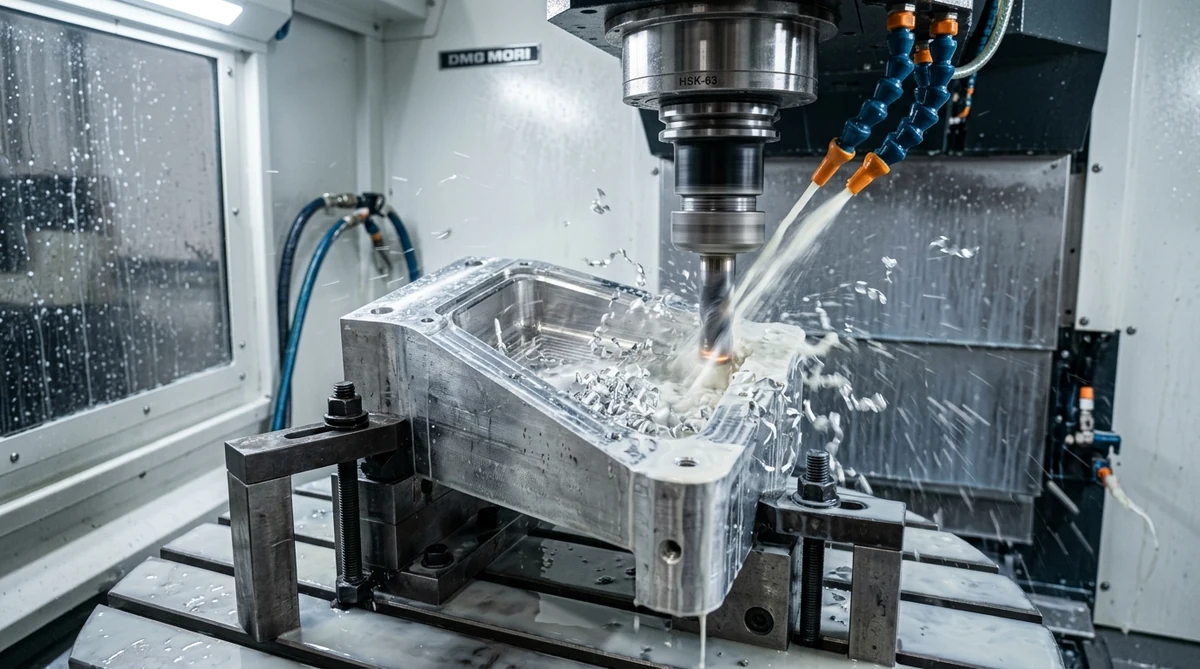
For aerospace bulkheads, drone arms, and wing spar ribs subject to severe cyclic loads, our aerospace structural solutions rely on certified 7075-T651 stress-relieved plate to prevent distortion during aggressive material removal.
Mechanical Properties Comparison: 6061-T6 vs. 7075-T6
To quantify structural performance, the engineering table below compares mechanical parameters under standard T6 temper conditions:
| Mechanical Property | 6061-T6 | 7075-T6 | Engineering Significance |
|---|---|---|---|
| Yield Strength (0.2% Offset) | 276 MPa (40 ksi) | 503 MPa (73 ksi) | 7075 offers +82% higher resistance to permanent plastic deformation. |
| Ultimate Tensile Strength (UTS) | 310 MPa (45 ksi) | 572 MPa (83 ksi) | 7075 matches structural mild steel at roughly one-third the density. |
| Modulus of Elasticity (E) | 68.9 GPa | 71.7 GPa | Similar stiffness; deflection under load is comparable across both alloys. |
| Hardness (Brinell HB) | 95 HB | 150 HB | 7075 provides superior resistance to surface indentation and thread wear. |
| Fatigue Strength (5×10^8 cycles) | 96.5 MPa | 159 MPa | 7075 handles extreme vibration and alternating aerodynamic forces. |
| Elongation at Break (%) | 12% – 17% | 8% – 11% | 6061 offers superior ductility for cold-bending and forming. |
Machinability, Finishing, and Anodizing Response
While 7075 excels in pure mechanical strength, 6061 often proves superior in post-machining operations and environmental resilience:
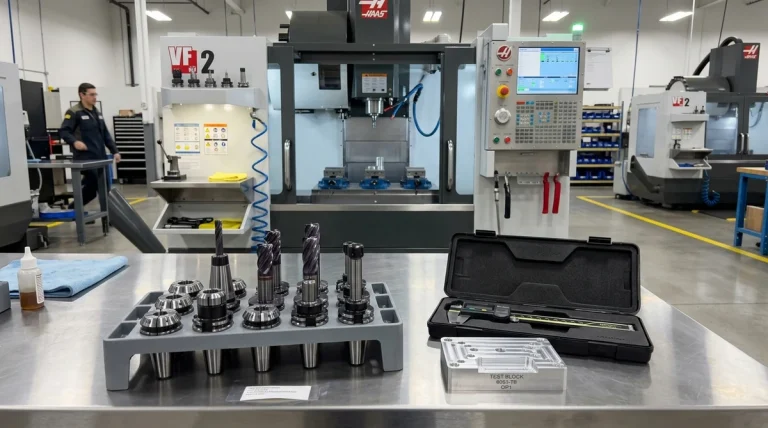
- CNC Machinability: Both materials machine cleanly with solid carbide tooling. Due to higher hardness, 7075 forms smaller, easily manageable chips and achieves lower surface roughness (Ra) with less burr formation. However, tool wear rates are approximately 20% to 30% higher than with 6061.
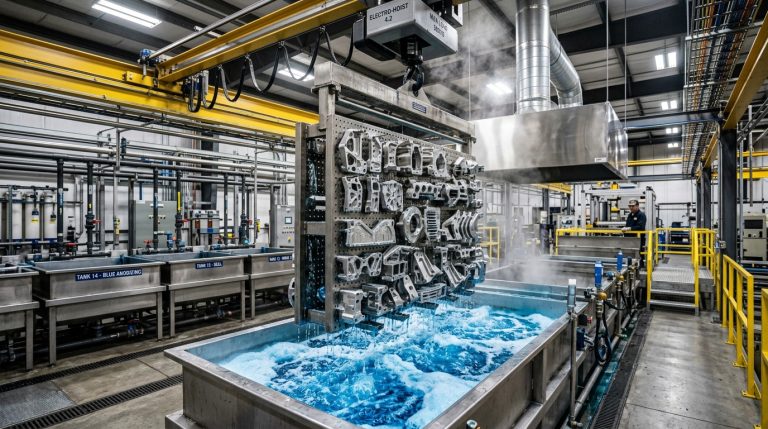
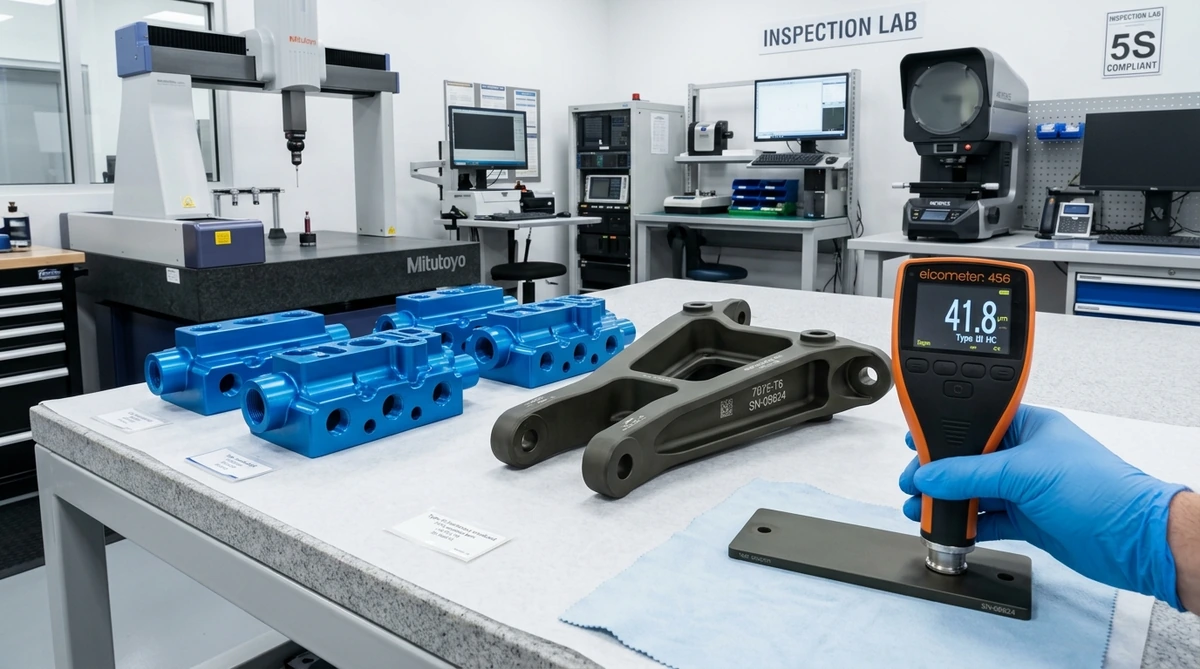
- Anodizing Aesthetics: 6061 is the premier choice for decorative sulfuric acid anodizing (Type II). It produces brilliant, uniform colors including deep black, red, and blue. Conversely, the high copper and zinc content in 7075 causes a yellowish-bronze background cast, making vibrant cosmetic colors difficult to control. For 7075, engineers typically specify military-grade hardcoat (MIL-A-8625 Type III) for extreme wear and dielectric insulation. Explore our comprehensive anodizing and surface finishing processes to inspect coating certifications.
- Corrosion Resistance: In outdoor marine environments or chemical washdowns, 6061 forms a protective passive oxide film that resists pitting. 7075 requires protective anodizing, chromate conversion, or epoxy primer to prevent intergranular galvanic attack.
Comprehensive Selection Benchmark
The table below summarizes key operational considerations for 6061 vs 7075 aluminum to assist design engineers in finalizing BOM specifications:
| Decision Factor | 6061-T6 | 7075-T6 | Selection Recommendation |
|---|---|---|---|
| Raw Material Cost | Baseline ($) | +40% to +70% ($$) | Specify 6061 unless peak structural yield is mandatory. |
| Weldability | Excellent (TIG / MIG with 4043/5356) | Poor (Prone to solidification cracking) | Use 6061 for welded frames and pressure vessels. |
| Corrosion Resistance | High | Moderate (Requires coating) | Choose 6061 for exposed marine and electronics housings. |
| Primary Use Cases | Consumer electronics, manifolds, brackets | Aerospace spars, military gears, missile fuselages | Choose 7075 when every gram of weight savings matters. |
No. 7075 aluminum contains high levels of zinc and copper, which create severe micro-cracking and hot tearing during conventional TIG or MIG arc welding. In contrast, 6061 is readily weldable using 4043 or 5356 filler rods.
6061 forms a clean, transparent anodic oxide layer that absorbs organic dyes vibrantly. In 7075, the high copper content causes an inherent grayish-yellow discoloration in the oxide film, making bright cosmetic colors difficult to match consistently.
We recommend upgrading to 7075-T6 when components face extreme mechanical stress, intense cyclic fatigue, or when minimum wall thicknesses must be preserved while maintaining high structural rigidity, such as in aerospace robotics and high-stress racing components.
Optimize Your Aluminum Machining Projects with AS Prototypes
Unsure whether 6061-T6 or 7075-T6 delivers the optimal cost-to-performance ratio for your application? The engineering team at AS Prototypes provides material certifications, complete CMM inspection, and tight ISO 2768-mK / fH tolerance control. Upload your 3D CAD drawings (STEP or IGES) today to receive professional DFM feedback and an instant quotation within 24 hours.