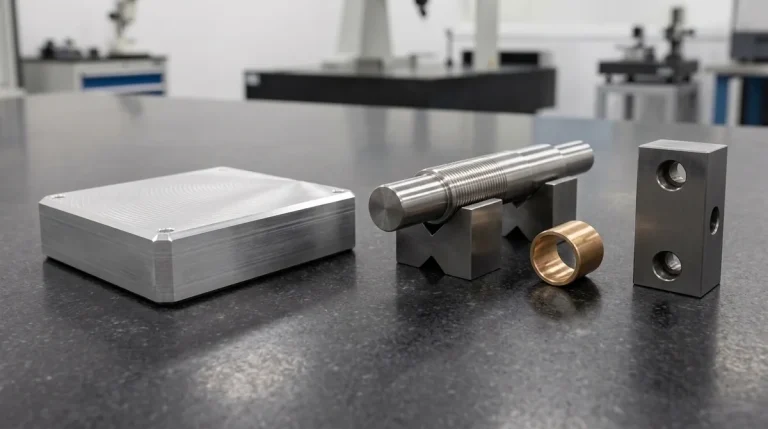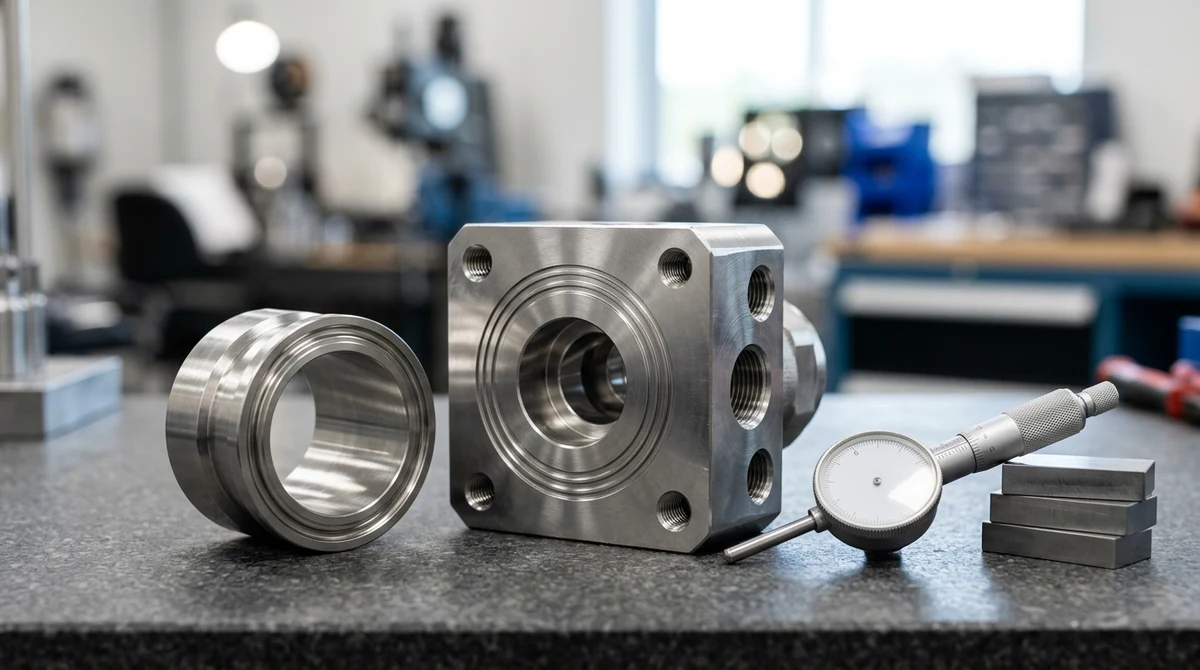
Selecting between 316 vs 316L stainless steel is one of the most critical metallurgical decisions in precision manufacturing. Both belong to the austenitic family of Fe-Cr-Ni-Mo alloys, offering exceptional resistance against pitting, crevice corrosion, and acidic exposure compared to basic 304 stainless steel. However, the fractional difference in carbon content—0.08% maximum in standard 316 versus 0.03% maximum in 316L—fundamentally dictates their thermodynamic behavior during welding, high-temperature service limits, CNC machining parameters, and post-machining passivation responses.
Quick Engineering Takeaways (BLUF)
- The Core Chemical Difference: Grade 316 permits up to 0.08% carbon, whereas Grade 316L caps carbon at 0.03% max. Both share identical nominal chromium (16.0%–18.0%), nickel (10.0%–14.0%), and molybdenum (2.0%–3.0%) content.
- Sensitization & Weld Integrity: Welding standard 316 induces chromium carbide precipitation (Cr23C6) at grain boundaries between 425°C and 850°C (800°F–1560°F), depleting local chromium below the 12% passivity threshold. Grade 316L prevents sensitization, eliminating mandatory post-weld solution annealing.
- Mechanical Strength: Carbon acts as an interstitial solid-solution strengthener. Standard 316 exhibits ~~20% higher yield strength (290 MPa vs. 240 MPa) and superior creep-rupture resistance above 500°C.
- CNC Machinability: Both grades work harden aggressively (strain hardening exponent n ≈ 0.45) with low thermal conductivity (16.3 W/m·K). Grade 316L exhibits marginally better machinability due to lower hardness, but both demand rigid tooling, positive rake geometry (+8° to +14°), and high-pressure coolant (≥70 bar).
- Surface Passivation & Finishing: Both achieve outstanding electropolished finishes (Ra ≤ 0.2 µm per ASTM B912) and chemical passivation (ASTM A967 citric/nitric acid), achieving >1,000 hours in ASTM B117 salt spray testing.
Authored by Senior Precision CNC Manufacturing Director & Metallurgical Applications Specialist | Engineering Review Board at AS Prototypes
Engineering Guide Navigation
Navigate through the key engineering dimensions of austenitic stainless steel selection and processing:
- 1. Metallurgical Foundations: Crystal Structure & Alloying Chemistry
- 2. The Carbon Divergence: Mechanical Strength & Thermal Limits
- 3. Weldability & Heat-Affected Zone (HAZ) Metallurgy
- 4. CNC Machining Dynamics: Work Hardening & Tooling Mechanics
- 5. Surface Engineering: Chemical Passivation & Electropolishing
- 6. Tolerances, CMM Metrology & Dual-Certification Engineering
- 7. Application Selection Decision Matrix: The Engineering Verdict
- 8. Frequently Asked Questions (FAQ)
1. Metallurgical Foundations: Crystal Structure & Alloying Chemistry
Both AISI 316 (UNS S31600 / EN 1.4401) and AISI 316L (UNS S31603 / EN 1.4404) are austenitic stainless steels possessing a face-centered cubic (FCC) crystal lattice. The FCC structure is metallurgically stabilized by high nickel content (10.0%–14.0%), preventing the transformation into body-centered cubic (BCC) ferrite or body-centered tetragonal (BCT) martensite during ambient cooling. This crystal arrangement ensures remarkable ductility, non-magnetic properties in the fully annealed state, and excellent impact toughness at cryogenic temperatures.
The defining technical distinction of the 316 alloy family compared to standard 304/304L is the deliberate addition of 2.0% to 3.0% molybdenum (Mo). In aqueous chloride solutions, chloride ions (Cl–) aggressively attack and penetrate localized micro-defects in standard chromium oxide films. Molybdenum participates synergistically in the passive film, forming protective molybdates (MoO42-) that suppress chloride ion adsorption and accelerate rapid repassivation if the protective layer is mechanically scratched or chemically breached.
To quantify resistance against localized pitting and crevice corrosion, materials engineers utilize the Pitting Resistance Equivalent Number (PREN). The mathematical model is expressed as:
While basic 304 stainless steel achieves a PREN score of approximately 18 to 20, both 316 and 316L yield PREN values between 23 and 25. This 25% increase in PREN accounts for the legendary marine-grade reputation of the 316 series, enabling components to withstand brackish water, de-icing salts, and harsh industrial chemical washdowns without localized pitting initiation.
| Chemical / Physical Element | Grade 316 (UNS S31600) | Grade 316L (UNS S31603) | Dual Grade 316/316L | Engineering Impact & Role |
|---|---|---|---|---|
| Carbon (C) Max | 0.080% | 0.030% | ≤ 0.030% | Dictates sensitization risk and interstitial lattice strength |
| Chromium (Cr) | 16.0% – 18.0% | 16.0% – 18.0% | 16.0% – 18.0% | Forms primary self-healing amorphous Cr2O3 passivation film |
| Nickel (Ni) | 10.0% – 14.0% | 10.0% – 14.0% | 10.0% – 14.0% | Retains austenitic FCC phase; prevents brittle martensitic shifts |
| Molybdenum (Mo) | 2.0% – 3.0% | 2.0% – 3.0% | 2.0% – 3.0% | Suppresses chloride pitting; enhances acid corrosion barrier |
| Nitrogen (N) Max | 0.10% | 0.10% | 0.04% – 0.08% | Boosts yield strength and PREN without sacrificing ductility |
| Manganese / Silicon | Mn ≤2.0%, Si ≤0.75% | Mn ≤2.0%, Si ≤0.75% | Mn ≤2.0%, Si ≤0.75% | Deoxidizers and hot-working aids during melt refinement |
| PREN Range | 23.0 – 25.0 | 23.0 – 25.0 | 23.5 – 25.5 | Identical localized pitting resistance in chloride environments |
2. The Carbon Divergence: Mechanical Strength & Thermal Limits
While the chemical variance of up to 0.05% carbon appears negligible on paper, its influence on mechanical metallurgy is pronounced. In austenitic alloys, carbon atoms do not substitute for iron in the crystal lattice; instead, they occupy tiny interstitial octahedral voids between the close-packed iron and nickel atoms. These interstitial carbon atoms generate localized lattice strain fields that impede dislocation movement, producing interstitial solid-solution strengthening.
Consequently, standard Grade 316 possesses measurably superior room-temperature tensile and yield capabilities:
- 0.2% Proof Yield Strength: Standard 316 delivers 290 MPa (42 ksi) minimum, whereas Grade 316L delivers 240 MPa (35 ksi) minimum—giving 316 a ~20% strength advantage.
- Ultimate Tensile Strength (UTS): Standard 316 achieves 580 MPa (84 ksi) minimum, compared to 530 MPa (77 ksi) for 316L.
- Elongation at Fracture: Both alloys offer extraordinary ductility, exceeding 40% elongation in 50 mm (2 inches) gauge length, reflecting their pure FCC phase.
- Brinell Hardness (HBW): Standard 316 typically measures 165–190 HBW, whereas 316L measures 145–170 HBW in the solution-annealed state.
This mechanical distinction becomes vital when designing high-pressure non-welded hydraulic manifolds, machined structural tie rods, marine propeller drive shafts, and bolted pressure vessel flanges. Specifying 316L when stress calculations assume 316 strength can result in yielding or premature fatigue failure under cyclic pressure.
At elevated operating temperatures (500°C to 850°C / 930°F to 1560°F), the role of carbon shifts toward creep-rupture performance. Under constant high-temperature stress, standard 316 resists grain boundary sliding more effectively than 316L. For severe continuous service above 550°C, ASME Boiler and Pressure Vessel Code (BPVC) Section VIII explicitly restricts 316L or specifies derated allowable design stresses, frequently requiring high-carbon 316H (0.04%–0.10% C) instead.
3. Weldability & Heat-Affected Zone (HAZ) Metallurgy
The single greatest operational driver for choosing 316L over 316 is weldability and the prevention of intergranular sensitization. During fusion welding processes such as Gas Tungsten Arc Welding (GTAW / TIG) or Gas Metal Arc Welding (GMAW / MIG), the parent metal adjacent to the weld pool experiences a steep thermal gradient. The Heat-Affected Zone (HAZ) is held within the critical temperature range of 425°C to 850°C (800°F to 1560°F) for several seconds to minutes.
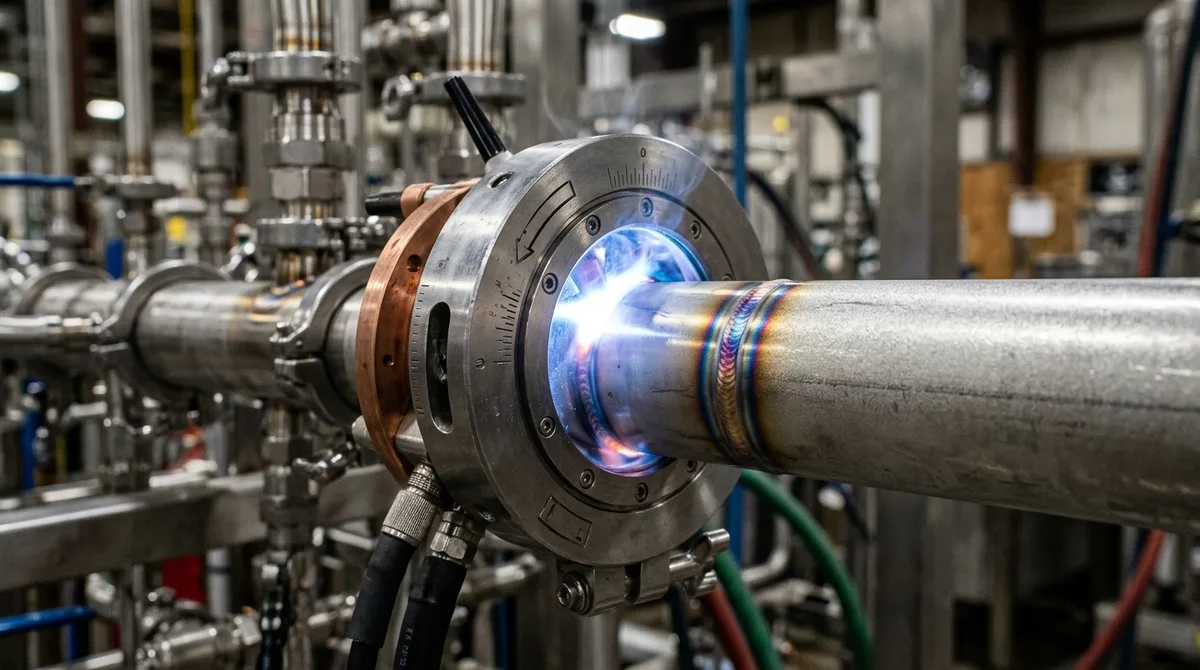
In standard 316 (0.08% max carbon), carbon exhibits high thermodynamic affinity for chromium. Within the 425°C–850°C sensitization window, carbon rapidly diffuses through the austenitic grains toward the grain boundaries. There, it reacts with available chromium to precipitate complex chromium carbides, predominantly Cr23C6. Because chromium diffusion within the crystal lattice is exponentially slower than carbon diffusion, the newly formed carbides draw chromium almost entirely from a micro-thin boundary zone immediately adjacent to the grain edge.
This localized phenomenon, termed chromium depletion, drops the chromium concentration along grain boundaries from the baseline 17% down to below 12%—the critical threshold required to form a protective Cr2O3 passive barrier film. When exposed to electrolyte environments such as seawater, marine salt fog, sulfuric acid, or CIP (clean-in-place) caustic chemicals, microscopic galvanic cells form between the chromium-rich grain interiors (cathodes) and the chromium-depleted grain boundaries (anodes). The boundaries dissolve aggressively, leading to intergranular corrosion (IGC), commonly known as “weld decay” or “knife-line attack,” causing the welded assembly to disintegrate along the HAZ under modest mechanical loads.
Metallurgical Solution: The 0.03% Carbon Ceiling
By restricting carbon to a maximum of 0.030% in Grade 316L, the carbon concentration remains below the thermodynamic solubility limit in austenite across typical welding cycles. Chromium carbide nucleation is virtually eliminated. As a result, 316L fabrications can be placed directly into severe corrosive environments in the as-welded condition without requiring post-weld solution annealing (which demands heating the entire assembly to 1040°C–1150°C followed by rapid water quenching to re-dissolve carbides).
In shop-floor orbital and manual TIG welding of sanitary 316L tubing and CNC-machined manifold assemblies, our welding department maintains strict shielding protocols: high-purity (99.999%) argon backing gas purge with residual oxygen monitored below 50 ppm. This prevents internal heat tint oxidation (discoloration), preserving pristine corrosion resistance along inner fluid contact surfaces without mechanical pickling.
4. CNC Machining Dynamics: Work Hardening & Tooling Mechanics
Machining austenitic stainless steels is notoriously challenging compared to carbon steels or aluminum alloys. Both 316 and 316L possess severe work hardening tendencies, high shear strength, and thermal conductivity of only 16.3 W/m·K (less than one-tenth that of 6061-T6 aluminum). Consequently, approximately 80% of the intense frictional heat generated during chip formation cannot conduct into the workpiece and must be evacuated through the cutting tool and chip.
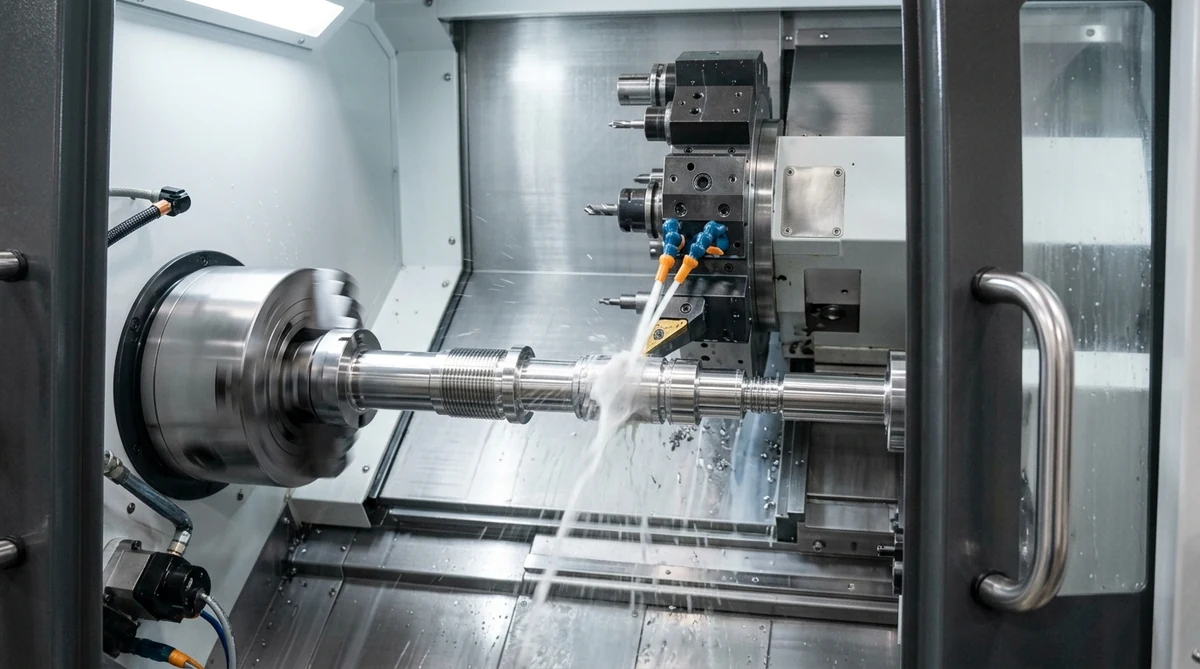
Under mechanical shear strain, the austenitic lattice generates high dislocation densities, characterized by a strain hardening exponent n ≈ 0.45. If a cutting tool rubs, dwells, or takes an excessively shallow cut (depth of cut less than the tool’s hone radius), the workpiece surface instantly hardens from 160 HBW to over 380 HBW. Subsequent cutting passes then encounter a hardened crust, leading to instantaneous edge chipping, severe notch wear (depth-of-cut notching), and catastrophic insert failure.
Comparing the two grades in the CNC machine shop, Grade 316L offers marginally superior machinability (approx. 5%–10% higher tool life) due to its lower interstitial carbon content and lower initial hardness. However, both grades require uncompromising adherence to rigid CNC machining protocols:
- Positive Tool Geometry: Use inserts with sharp, ground cutting edges and positive rake angles (+8° to +14°) to cleanly shear metal rather than plowing or burnishing. Maintain an edge hone radius between 15 µm and 25 µm.
- Ultra-Fine Micro-Grain Carbide Substrates & PVD Coatings: Employ micro-grain tungsten carbide (WC-Co) substrates with PVD nano-laminate TiAlN, AlTiN, or AlCrN coatings. These coatings maintain oxidation resistance above 900°C and prevent chemical diffusion between the hot stainless chip and the carbide binder.
- Trochoidal & Dynamic Milling Paths: In CNC milling, adopt dynamic radial toolpaths with low radial stepover (ae = 5%–10% of tool diameter) and high axial depth of cut (ap = 1.5–2.0× diameter). This distributes wear evenly along the cutting flute and reduces tool-workpiece contact arc, allowing flutes to cool between engagements.
- High-Pressure Through-Spindle Coolant (TSC): Water-miscible cutting fluids (8%–12% emulsion concentration with extreme-pressure EP additives) delivered at ≥70 bar (1,000 psi) directly onto the tool-chip interface break the insulating Leidenfrost vapor barrier, suppress thermal shock, and flush stringy stainless chips away from deep pockets.
| Machining Operation | Grade 316 Parameters | Grade 316L Parameters | Tooling & Geometry Strategy |
|---|---|---|---|
| CNC Turning (Roughing) | vc: 110 – 140 m/min f: 0.18 – 0.28 mm/rev ap: 1.5 – 3.0 mm | vc: 120 – 155 m/min f: 0.20 – 0.32 mm/rev ap: 1.5 – 3.5 mm | CNMG/WNMG with medium-roughing chip breaker; positive rake; TiAlN PVD coating |
| CNC Turning (Finishing) | vc: 140 – 180 m/min f: 0.08 – 0.15 mm/rev ap: 0.25 – 0.6 mm | vc: 150 – 195 m/min f: 0.08 – 0.16 mm/rev ap: 0.25 – 0.6 mm | Sharp ground wiper insert (CCMT / VBMT); high-pressure coolant directed at nose radius |
| High-Speed Face Milling | vc: 120 – 160 m/min fz: 0.10 – 0.16 mm/tooth | vc: 130 – 175 m/min fz: 0.12 – 0.18 mm/tooth | 45° lead angle face mill or octagonal inserts; climb milling only to minimize exit chip thickness |
| Trochoidal Slot & Pocket Milling | vc: 130 – 170 m/min ae: 6% – 10% D ap: 1.5 – 2.0× D | vc: 140 – 185 m/min ae: 7% – 12% D ap: 1.5 – 2.5× D | 4-flute or 5-flute variable helix solid carbide end mill (38°/41° helix) to suppress chatter |
| Deep-Hole Drilling (L/D > 5) | vc: 55 – 75 m/min f: 0.06 – 0.12 mm/rev | vc: 60 – 85 m/min f: 0.08 – 0.14 mm/rev | Solid carbide drill with internal coolant holes (≥70 bar); 135° split point; continuous feed (no dwell) |
| Precision Threading | Thread milling preferred vc: 70 – 95 m/min | Thread milling preferred vc: 75 – 105 m/min | Full-profile carbide thread mill; avoids tap breakage risk from elastic recovery and high torque |
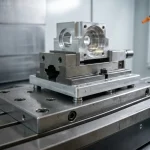
In our machine shop, high-speed 3-axis and 4-axis vertical machining centers (VMCs) serve as the operational workhorses handling 75% to 85%+ of all stainless manufacturing volume—ranging from marine pump housings and sensor enclosures to surgical instrument handles and fluid manifold blocks. Outfitted with precision hydraulic vises, hardened Kurt vises, and custom-bored aluminum soft jaws, these rigid setups damp vibrations and achieve rapid cycle times. Simultaneous 5-axis machining centers are deployed selectively for strategic, geometrically complex parts—such as multi-curved aerospace impellers, contoured orthopedic bone plates, and multi-sided valve manifolds requiring 5-sided single-setup access.
5. Surface Engineering: Chemical Passivation & Electropolishing
Machined 316 and 316L components do not achieve their full corrosion resistance directly off the CNC machine tool. During cutting, contact with carbide tooling, steel collets, and shop-floor handling transfers microscopic particles of tramp iron (free iron) onto the stainless surface. In humid or marine air, these embedded iron contaminants oxidize rapidly, generating unsightly red rust blooms and establishing micro-galvanic corrosion cells that initiate pitting through the underlying protective layer.
To eliminate free iron and maximize passivity, finished parts undergo chemical passivation in strict compliance with ASTM A967 or AMS 2700 standards:
- Citric Acid Passivation (ASTM A967 Citric 1 to 5): Modern precision manufacturing predominantly utilizes citric acid baths (4%–10% concentration at 40°C–65°C). Citric acid acts as a powerful organic chelating agent, selectively binding and dissolving free surface iron without leaching essential chromium or nickel from the parent alloy. Furthermore, it produces zero hazardous NOx emissions and is fully biodegradable.
- Nitric Acid Passivation (ASTM A967 Nitric 1 to 5): Traditional nitric acid baths (20%–25% v/v HNO3, optionally with sodium dichromate oxidizers) strongly dissolve iron while chemically forcing rapid oxidation of surface chromium into Cr2O3. However, nitric acid carries environmental hazards and risks intergranular etching on sensitized standard 316 parts.
For ultra-high-purity semiconductor gas delivery lines, biopharmaceutical reactors, and medical fluid manifolds, chemical passivation is paired with ASTM B912 Electropolishing. In this electrochemical process, the 316L component serves as the anode in a temperature-controlled phosphoric-sulfuric acid bath. Under an applied DC electrical field, current density concentrates on micro-peaks and machining ridges across the surface. The micro-peaks dissolve preferentially, smoothing surface roughness down to Ra ≤ 0.2 µm (8 µin) mirror reflectivity.
Crucially, electropolishing removes the amorphous, mechanically smeared Beilby layer generated by grinding and cutting tools, restoring an undistorted crystal lattice at the surface. X-ray Photoelectron Spectroscopy (XPS) and Auger Electron Spectroscopy (AES) depth profiling confirm that electropolishing enriches the chromium-to-iron oxide ratio (Cr/Fe) from a baseline 0.8–1.0 up to >2.0 in the outer 25 Ångströms of the passive film. Electropolished 316L typically survives >1,000 hours of continuous ASTM B117 neutral salt spray testing without superficial pitting or staining.
6. Tolerances, CMM Metrology & Dual-Certification Engineering
Precision manufacturing of stainless components requires realistic geometric dimensioning and tolerancing (GD&T) aligned with shop-floor physics. While general un-toleranced features adhere to ISO 2768-mK standards, critical mating interfaces—such as bearing journals, dynamic hydraulic spool bores, and O-ring gland sealing diameters—are directly dimensioned on technical drawings with specific tolerance bands:
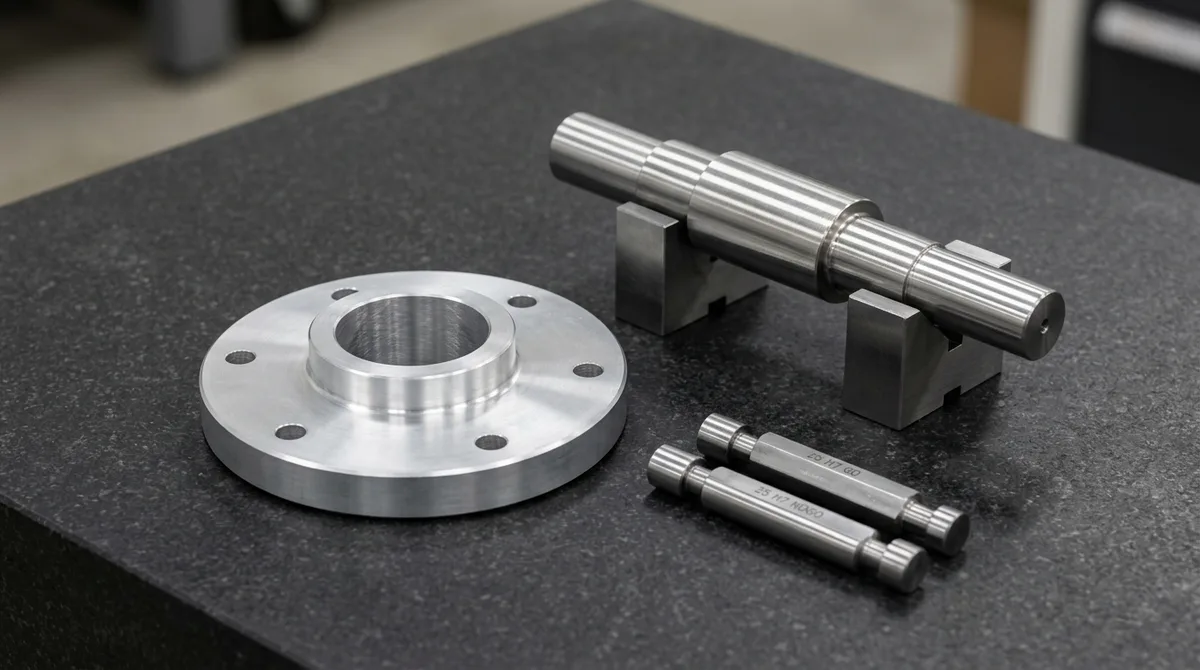
On precision turning centers and VMCs, tight bearing bores (e.g., ISO H7) and shaft diameters (ISO g6 / h6) are routinely held within ±0.010 mm to ±0.020 mm (±0.0004″ to ±0.0008″). For ultra-critical sealing sleeves, cylindrical ground valve spools, or wire EDM micro-apertures, tolerances down to ±0.005 mm (±0.0002″) are achievable. Our quality engineering protocols reject unrealistic claims such as “sub-five-micron tolerance claims” on un-ground stainless weldments, as ambient temperature swings of just 3°C cause 100 mm of 316 stainless steel to expand by 0.005 mm (thermal expansion coefficient α ≈ 16.0 × 10⁻⁶ /K).
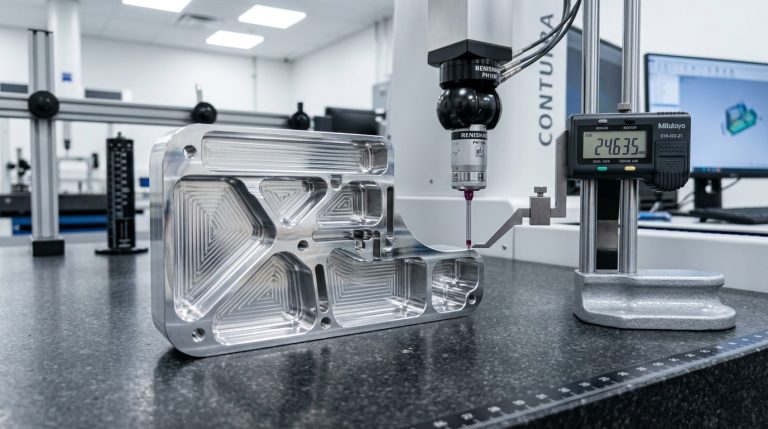
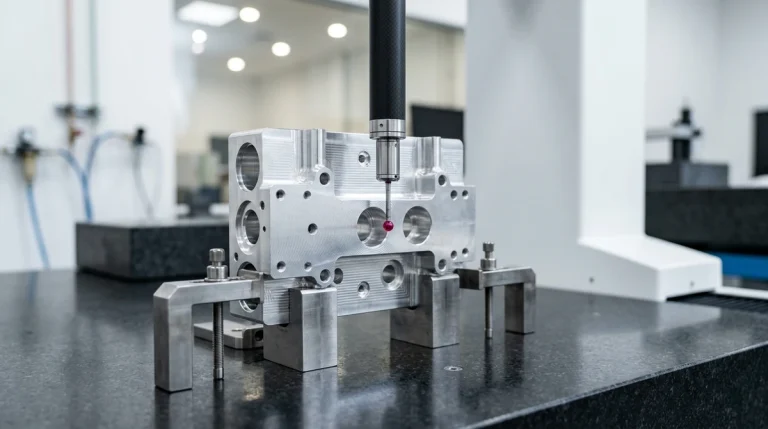
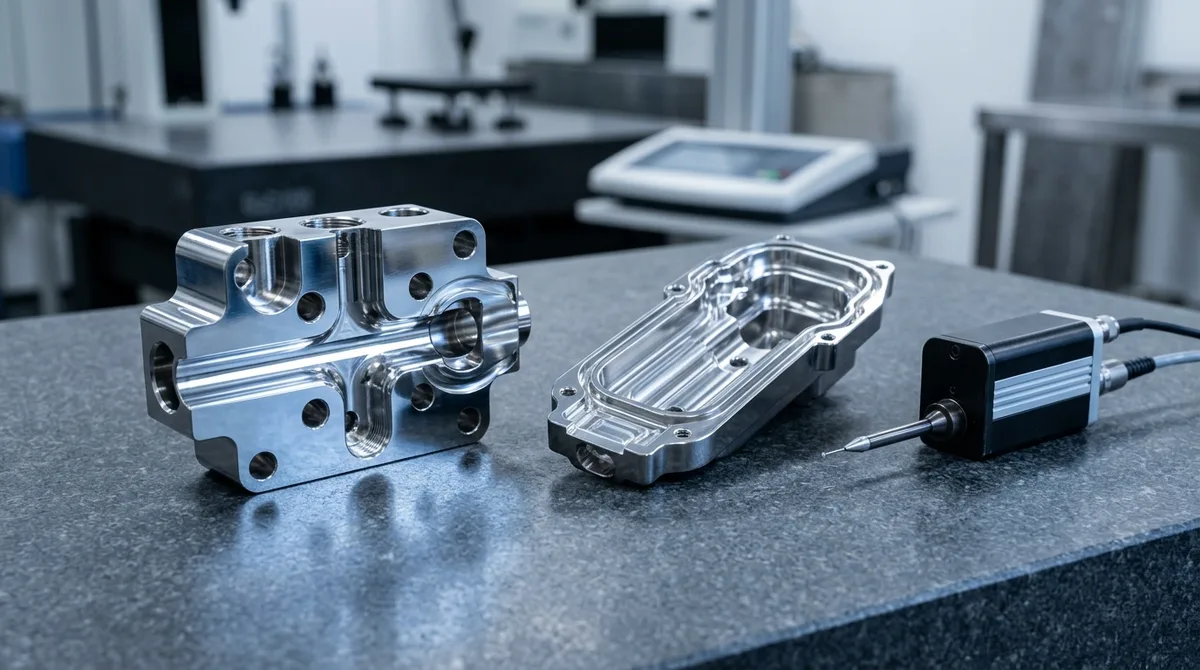
To verify dimensional fidelity and GD&T callouts per ASME Y14.5-2018, components are transferred to our climate-controlled metrology laboratory (20°C ± 0.5°C). Utilizing a Zeiss Coordinate Measuring Machine (CMM) outfitted with multi-axis articulating ruby touch-trigger and continuous scanning probes, quality engineers verify Datum A flatness (≤0.010 mm), bore-to-datum perpendicularity, and bolt circle pitch diameter (PCD) true position (within Ø0.015 mm at Maximum Material Condition MMC).
In modern raw material supply chains, mills frequently supply Dual-Grade 316/316L raw bar stock and sheet (conforming to ASTM A240, ASTM A276, and EN 10204 3.1 MTR inspection certificates). Dual certification is achieved through advanced melt decarburization (Argon Oxygen Decarburization / AOD):
- The mill refines the melt to carbon ≤ 0.030%, satisfying the low-carbon requirement of Grade 316L to ensure immunity from sensitization during welding.
- Simultaneously, the mill introduces micro-alloyed nitrogen (typically 0.04%–0.08% N). Because nitrogen is an interstitial strengthener with even greater lattice hardening power than carbon, it restores the room-temperature yield strength to ≥ 290 MPa and tensile strength to ≥ 580 MPa, satisfying the mechanical requirements of standard Grade 316.
Specifying dual-grade 316/316L streamlines procurement and inventory management for OEMs, providing the superior weldability of 316L alongside the structural load-bearing capacity of 316.
7. Application Selection Decision Matrix: The Engineering Verdict
To finalize material selection between 316 and 316L, hardware engineers must evaluate the complete component lifecycle: joining methods, operating temperatures, mechanical stress states, and corrosive media. Use the following operational guidelines:
- Choose Grade 316L When:
- The component involves fusion welding (TIG, MIG, laser, or electron beam) and will operate in corrosive aqueous, chemical, or marine environments without post-weld solution annealing.
- The part requires high-purity electropolishing (Ra ≤ 0.2 µm) for semiconductor fluid handling, biopharma sanitary manifolds, or pharmaceutical chromatography columns.
- The part is an implantable medical device or surgical tool requiring minimal carbon inclusions and maximum biocompatibility (ASTM F138 / 316LVM).
- Thin-gauge sheet metal enclosures, stamped marine brackets, or sanitary food-processing tube assemblies are being fabricated.
- Choose Standard Grade 316 When:
- The part is entirely CNC-machined from solid bar or billet with zero subsequent welding and demands maximum room-temperature yield strength (290 MPa vs. 240 MPa).
- The component operates continuously at elevated temperatures (500°C to 800°C) under high pressure, where superior creep-rupture strength is mandated by ASME design codes.
- Threaded fasteners, high-tensile marine rigging studs, pump drive shafts, or high-pressure non-welded hydraulic valve blocks are being designed.
| Industrial Sector | Typical Precision Component | Recommended Grade | Decisive Metallurgical Rationale |
|---|---|---|---|
| Marine & Subsea Systems | Subsea sensor housings, hull through-fittings, welded seawater ballast manifolds | 316L (or Dual 316/316L) | Prevents knife-line weld decay and crevice corrosion in stagnant, warm seawater |
| Marine Propulsion & Hardware | Propeller shafts, high-load deck cleat tie-rods, heavy-duty mooring studs | Standard 316 | Higher tensile yield (290 MPa) resists torsional fatigue without welding risk |
| Biopharma & Semiconductor | Ultra-pure gas valve manifolds, chromatography columns, aseptic Tri-Clamp fittings | 316L (Electropolished) | Clean grain boundaries permit Ra ≤ 0.2 µm electropolish; eliminates particulate trap sites |
| Medical Devices & Surgical | Orthopedic surgical instruments, endoscopic shafts, precision fluid cannula adapters | 316L / 316LVM | ASTM F138 compliance; vacuum arc remelted for ultra-low non-metallic inclusions and biocompatibility |
| Chemical & Petrochemical | Welded reactor heat exchanger tube sheets, sulfuric acid piping spools | 316L | Immunity to intergranular corrosion in hot acidic media without field post-weld annealing |
| High-Temperature Service (>550°C) | Exhaust heat exchangers, furnace burner nozzles, high-temperature thermal tubes | 316 / 316H | Higher carbon maintains grain boundary creep strength; 316L strictly de-rated by ASME codes |
Frequently Asked Questions (FAQ)
The primary difference lies in carbon concentration. Standard 316 stainless steel contains up to 0.08% carbon, whereas 316L restricts carbon to a maximum of 0.03% (where ‘L’ signifies Low Carbon). Both grades contain identical chromium (16.0%–18.0%), nickel (10.0%–14.0%), and molybdenum (2.0%–3.0%). This carbon difference makes 316L virtually immune to chromium carbide precipitation during welding, while 316 provides approximately 20% higher mechanical yield strength.
When standard 316 is heated between 425°C and 850°C (800°F–1560°F) during welding, carbon atoms diffuse rapidly to grain boundaries and react with chromium to form chromium carbides (Cr23C6). This depletes the adjacent grain boundary zone of chromium below the 12% threshold required to maintain a passive protective film. In aggressive electrolytes, these chromium-depleted boundaries suffer rapid galvanic attack, resulting in intergranular corrosion or ‘weld decay.’ Using 316L prevents this phenomenon because its low carbon content remains in solid solution without forming carbides.
Grade 316L is marginally easier to machine (roughly 5% to 10% extended tool life) because its lower carbon content results in slightly lower initial hardness (145–170 HBW vs. 165–190 HBW for 316). However, both alloys work harden severely when cut. Effective CNC machining requires sharp positive rake tooling (+8° to +14°), positive chip engagement without dwelling, rigid machine setups, and high-pressure through-spindle coolant (≥70 bar) to evacuate heat and stringy chips.
Dual-grade 316/316L is raw material engineered to satisfy both ASTM standards simultaneously. The mill refines the melt to carbon ≤ 0.030% to meet 316L weldability requirements while adding controlled micro-alloyed nitrogen (0.04%–0.08% N) to achieve standard 316 tensile strength (≥ 580 MPa) and yield strength (≥ 290 MPa). Specifying dual-grade 316/316L is highly recommended for machined fabrications, offering low-carbon weldability and full load-bearing capacity under a single unified material certification.
Chemical passivation (per ASTM A967 in citric or nitric acid) selectively dissolves tramp iron particles left on the surface by cutting tools, restoring an uncompromised chromium oxide passive film. Electropolishing (per ASTM B912) electrochemically dissolves microscopic surface peaks, reducing roughness to Ra ≤ 0.2 µm and enriching the surface chromium-to-iron ratio (Cr/Fe > 2.0). Both treatments together enable 316 and 316L components to survive over 1,000 hours of continuous ASTM B117 neutral salt spray testing without corrosion spotting.
Request Precision 316 & 316L CNC Machining & DFM Review
Need tight-tolerance CNC turned or milled 316 or 316L stainless steel components with full Material Test Reports (MTR / EN 10204 3.1)? Our in-house precision machine shop manufactures complex marine, medical, and fluid handling parts to ISO 2768-mK and precision tolerances down to ±0.010 mm. In addition, our manufacturing facility provides comprehensive in-house ASTM A967 chemical passivation, ASTM B912 electropolishing, and CMM dimensional inspection.
Upload 3D CAD Drawings for Instant Stainless Steel RFQ & DFM Review →