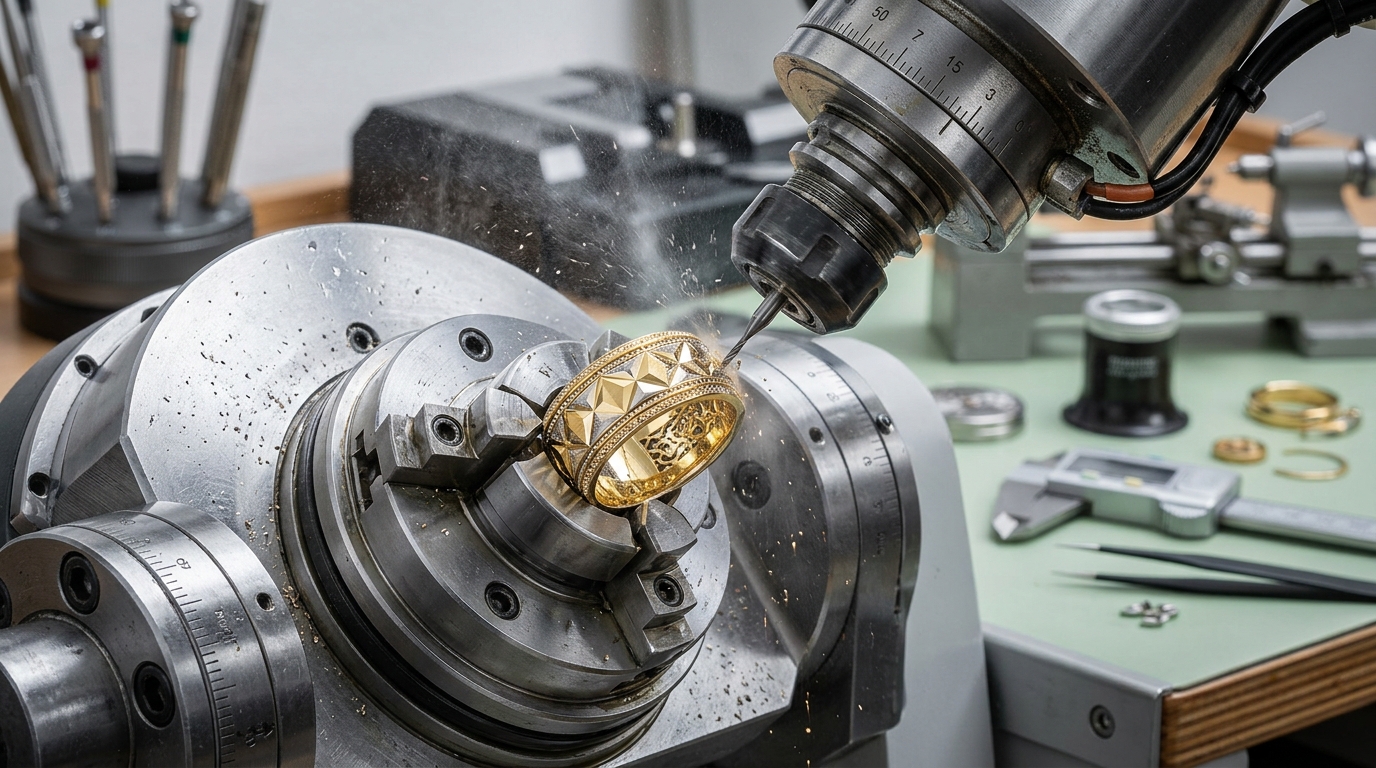
Jewelry design and haute horology are among the world’s most ancient and revered crafts. Historically, creating master patterns for bespoke rings, intricate watch cases, and gemstone pendants relied entirely on manual wax carving and bench artisanal hand-fabrication. While master craftsmen possess extraordinary talent, manual fabrication is inherently time-intensive, difficult to scale, and subject to human inconsistency.
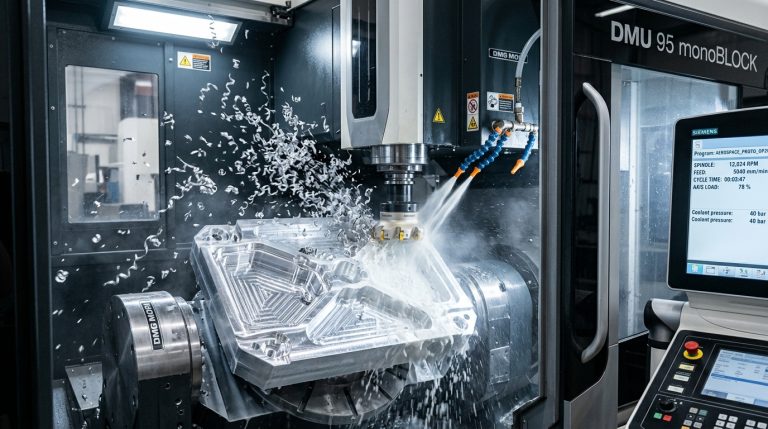
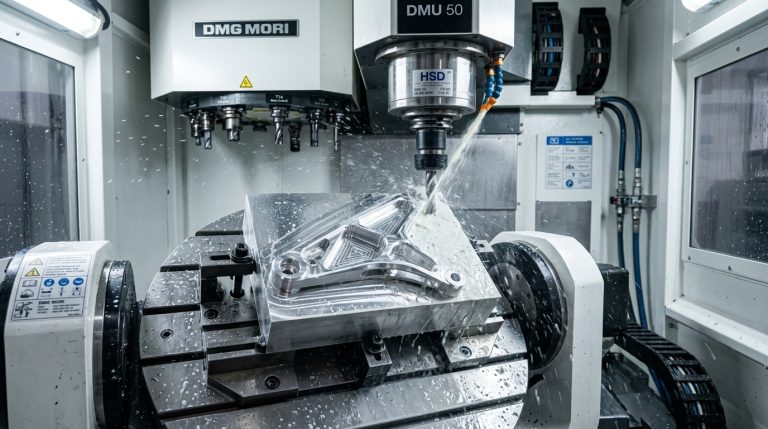
Today, the luxury jewelry industry and the exploding smart wearable electronics market (such as biometric smart rings, connected pendants, and luxury smartwatch bezels) have converged with high-precision manufacturing. By implementing multi-axis CNC micro-machining, ultra-high-speed diamond micro-milling, and sub-micron metrology, designers can now translate complex parametric 3D CAD models into physical reality with razor-sharp geometric facets, flawless surface finishes, and repeatability down to ±0.005 mm (±0.0002 in).
In this technical guide, AS Prototypes explores how advanced CNC micro-machining accelerates luxury jewelry prototyping, master mold tooling, and direct precious metal manufacturing.
Key Applications of CNC Technology in Modern Jewelry & Horology
1. High-Speed Machining of Wax Master Models
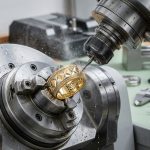
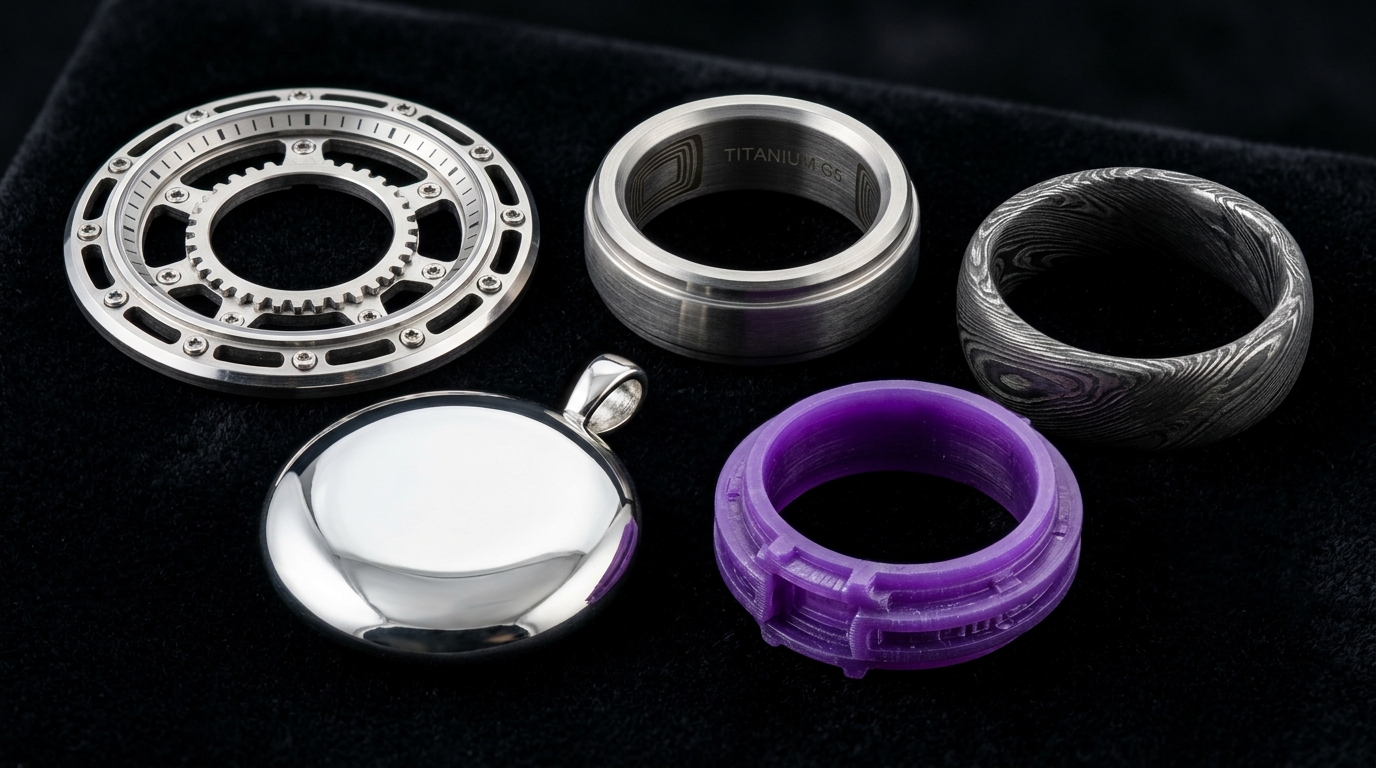
In the lost-wax investment casting process, the final casting is only as accurate as its wax sacrificial pattern. Rather than carving by hand or relying on lower-resolution 3D wax printers with noticeable staircase layer lines, 4-axis and 5-axis micro-milling centers machine high-density jewelry carving wax (such as Ferris purple/blue wax) at spindle speeds up to 50,000 to 70,000 RPM. The resulting wax patterns exhibit glass-smooth finishes and razor-sharp prong geometries, drastically reducing post-cast bench cleanup.
2. Direct Micro-Machining of Precious & Exotic Metals
Modern luxury and smart wearable applications increasingly require direct subtractive machining from solid billet rather than casting, eliminating casting porosity, shrinkage voids, and grain boundary inclusions:
- Grade 5 Titanium (Ti-6Al-4V): Ultra-lightweight, hypoallergenic, and corrosion-proof; the premier material for biometric smart ring chassis and luxury sports watch bezels.
- Precious Metals (Solid 18K/14K Gold, Platinum Pt950, Sterling Silver 925): High-speed micro-endmills (down to 0.1 mm diameter) carve intricate hollow structures, pavé gemstone pockets, and tension-set ring bands directly from continuous-cast billets.
- Damascus Steel & Timascus (Titanium Damascus): For bespoke wedding bands and high-end accessories, multi-layered forge-welded Damascus steel is CNC turned and milled, followed by acid etching or heat anodizing to reveal mesmerizing woodgrain and topographic contour patterns.
3. CNC Machining Reusable Steel & Brass Casting Molds
For medium-to-high volume production, machining master cavities directly into pre-hardened steel (NAK80 / P20) or brass creates reusable vulcanized rubber and liquid silicone master molds. Reusable metal molds maintain crisp edges over tens of thousands of injected wax cycles, ensuring part-to-part consistency across global retail lines.
4. Micro-Engraving & Traditional Guilloché Dial Patterns
Guilloché—the classical horological art of cutting repetitive mathematical wave patterns onto watch dials and luxury pens—traditionally required antique manual rose engine turning machines. Today, ultra-precision 5-axis CNC machines equipped with natural diamond single-point fly-cutters reproduce breathtaking sunburst, barleycorn, and clous de Paris textures with optical brilliance.
Engineering Challenges in Jewelry Micro-Machining
Operating in the sub-millimeter realm introduces unique cutting physics that standard machine shops cannot accommodate:
- Micro-Endmill Dynamics: Micro-milling tools with diameters from 0.10 mm to 0.50 mm possess microscopic chip pockets. To maintain proper cutting chip load without breaking the tool, spindle speeds must operate between 40,000 and 60,000 RPM with minimum runout (< 0.001 mm).
- Workholding Fragile Geometries: Clamping a delicate 1.2 mm thick ring band or skeletonized watch case in a standard vise causes immediate elastic deformation. Our machinists fabricate custom expanding brass collets, vacuum rotary mandrels, and machinable Delrin soft jaws contoured to the exact reverse curvature of the part.
- Managing Ductile Metal Smearing: Pure gold, silver, and copper are notoriously gummy; without optimized chip-clearing alcohol mist lubrication and high-rake polished carbide flutes, the metal will friction-weld to the cutting edge rather than shear cleanly.
Comparison of Jewelry Prototyping Technologies
The table below summarizes the key trade-offs between additive, subtractive, and casting manufacturing routes for luxury hardware:
| Prototyping Technology | Surface Roughness (Ra) | Dimensional Tolerance | Material Flexibility | Best Suited For |
|---|---|---|---|---|
| 5-Axis CNC Micro-Milling | As-machined: Ra 0.4 – 0.8 µm (achieving optical Ra 0.05 – 0.1 µm mirror finish via secondary progressive diamond lapping / poli noir) | ±0.005 mm (±0.0002 in) | Gold, Platinum, Titanium, Damasteel, Wax | Direct luxury hardware, watch cases, smart rings, master wax models |
| Castable Resin 3D Printing (SLA/DLP) | 1.6 – 3.2 µm (Layered) | ±0.050 mm (±0.0020 in) | Photopolymer Resin (Castable only) | Complex organic filigree wax patterns for secondary casting |
| Lost-Wax Investment Casting | 1.6 – 6.3 µm (As-cast) | ±0.100 mm (±0.0040 in) | Precious and base casting alloys | Mid-to-high volume retail jewelry reproduction from master models |
| Direct Metal 3D Printing (DMLS) | 3.2 – 8.0 µm (Granular) | ±0.100 mm (±0.0040 in) | Gold, Platinum, Titanium powders | Internal lattice structures, impossible hollow geometries (requires intensive hand polish) |
Precision Surface Finishing & Micro-Metrology
In high jewelry and luxury watches, microscopic defects visible under a 10× jeweler’s loupe are cause for immediate rejection:
- Centrifugal & Magnetic Pin Deburring: Microscopic stainless steel magnetic pins swirl in aqueous solutions to remove burrs from intricate undercuts and pavé holes without rounding sharp aesthetic bevels.
- Optical Hand-Lapping: Artisan polishers utilize hard felt bobs and progressive diamond abrasive pastes (down to 0.5-micron grit) to deliver distortion-free black mirror polishes (poli noir).
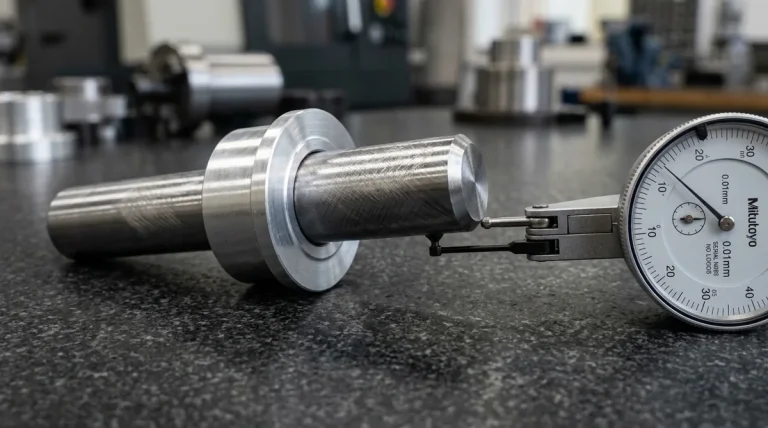
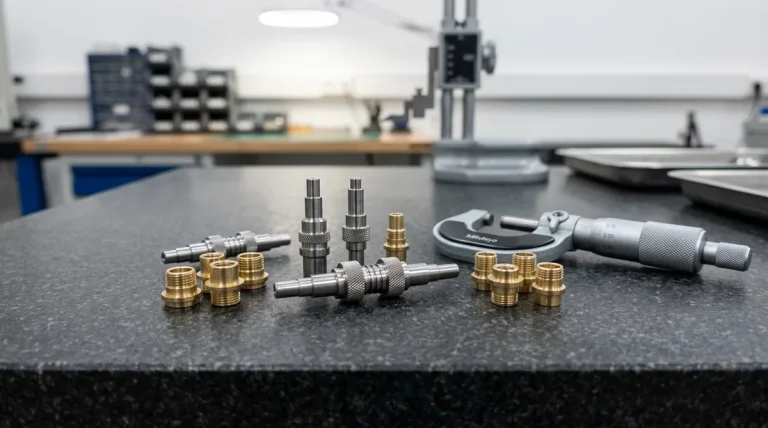
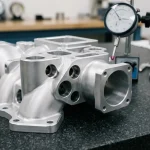
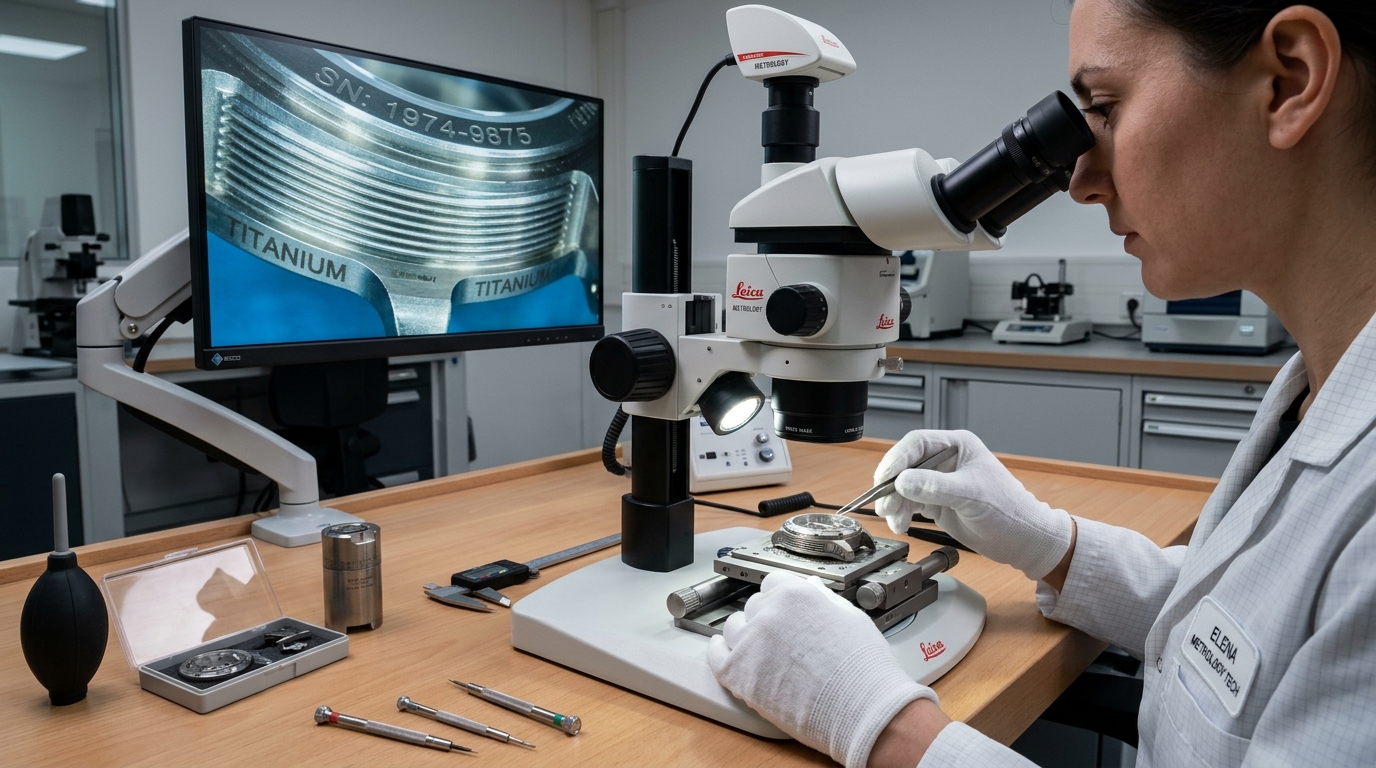
- Optical Stereo Microscope Inspection: Every critical component undergoes 50× optical magnification on our Leica metrology inspection stations, verifying thread engagements, bezel seat heights, and micro-laser engravings before dispatch.
Craft Luxury Prototypes with AS Prototypes
At AS Prototypes, we merge the artisanal perfection of traditional watchmaking with the uncompromising repeatability of aerospace micro-machining. Whether you are engineering a revolutionary biometric smart ring, launching an exclusive boutique watch collection, or producing master tooling for lost-wax casting, our dedicated micro-manufacturing facility delivers the precision your brand demands.
Direct micro-milling on hard titanium, platinum, or stainless alloys achieves Ra 0.4 to 0.8 µm. For true optical mirror finishes (Ra 0.05 to 0.1 µm), components undergo progressive diamond paste lapping or traditional horological hand-polishing (poli noir).
We employ ultra-short fluted solid carbide end mills with shrink-fit tool holders, maintain spindle runout below 1 µm TIR, and program optimized trochoidal toolpaths with constant chip-load control.
Micro jewelry and wearable components are fixtured using custom vacuum chucks, sacrificial brass carrier tabs, or low-melting point fixturing alloys, preventing clamping indentation on cosmetic surfaces.
Developing Luxury Jewelry, Watches, or Smart Wearables?
Upload your 3D CAD files (STEP/IGES/Rhino) and design specifications today. Our specialized micro-machining engineers will provide detailed DFM advice, material recommendations, and a confidential quotation within 24 hours.