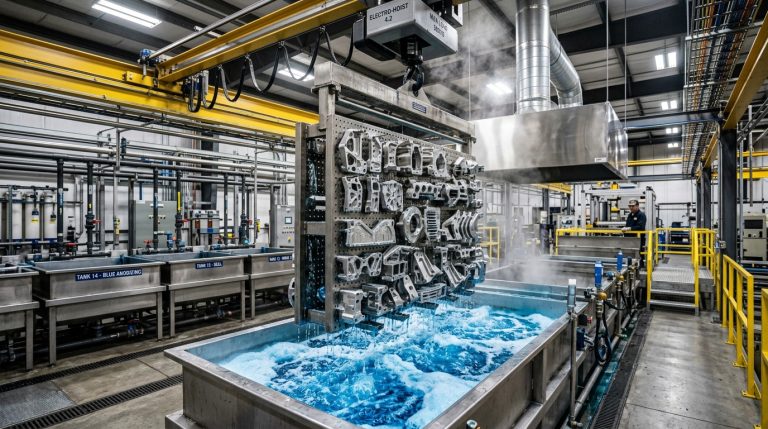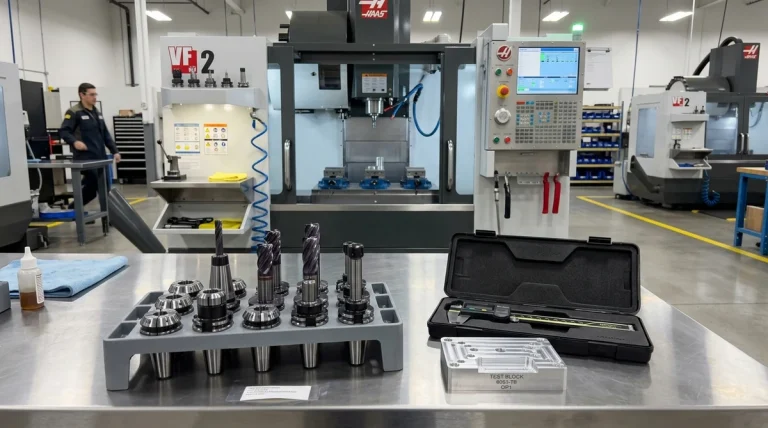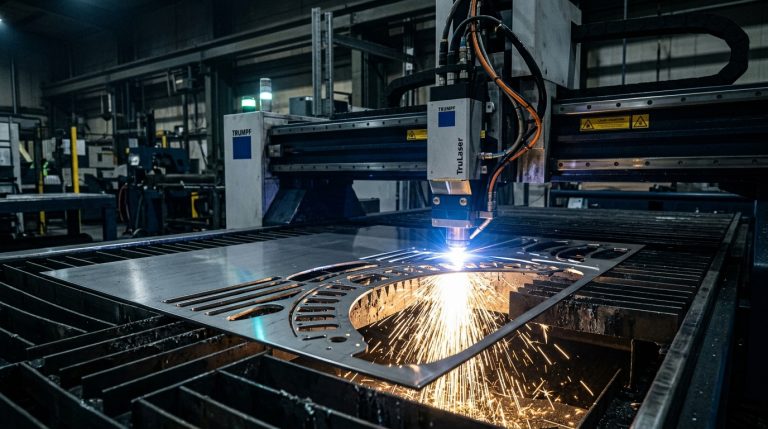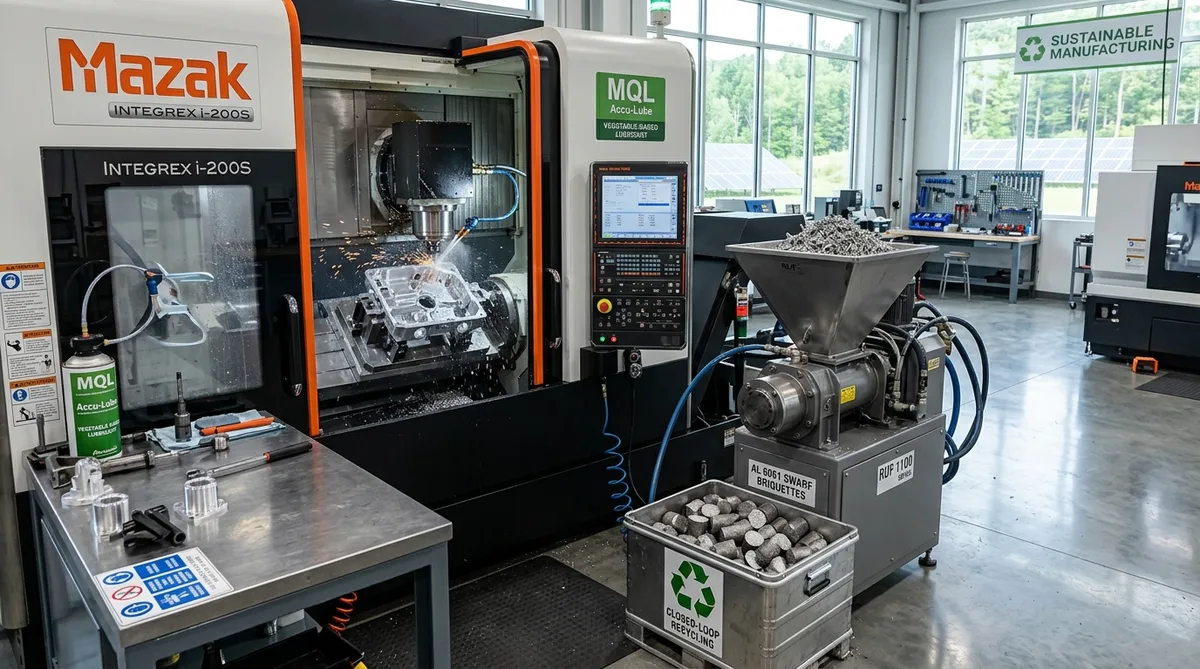
Adopting green rapid prototyping methodologies has emerged as an imperative for modern hardware innovators seeking to compress product development cycles while minimizing embodied carbon and industrial waste. Historically, subtractive machining and rapid prototyping produced massive volumes of discarded metal swarf, hazardous spent cutting fluids, and excess raw material scrap. At our forward-thinking machine shop, we incorporate closed-loop metal briquetting, vegetable-based minimum quantity lubrication (MQL), and eco-conscious DFM across our sustainable CNC machining operations and non-toxic eco-friendly surface finishes.
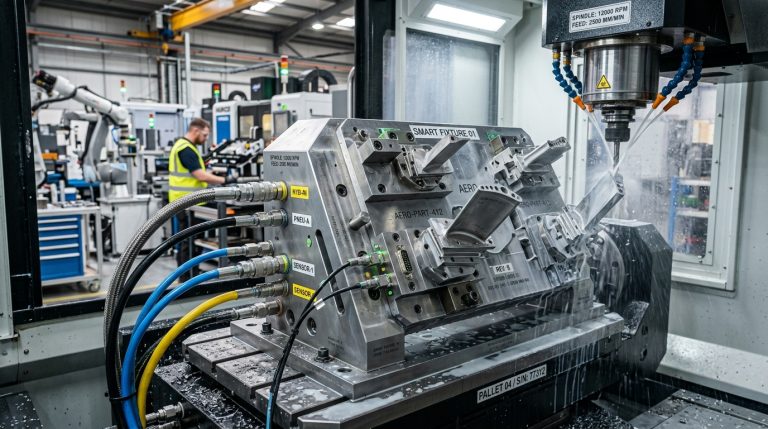
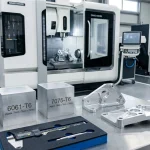
In-house sustainable prototyping cell: multi-tasking CNC machining center paired with an MQL plant-based aerosol lubrication system and automated aluminum swarf briquetting press.
The Environmental Imperative in Precision Engineering
In conventional CNC prototyping, machining an intricate 1 kg aerospace bracket from a solid 10 kg billet of 6061-T6 aluminum results in 90% of the raw material ending up on the shop floor as chips and shavings. Without dedicated recycling ecosystems, loose swarf oxidizes rapidly, loses commercial remelt value, and carries contaminated petroleum coolants into municipal waste streams. Green manufacturing reimagines every step of the prototype lifecycle to achieve zero landfill impact.
Pillar 1: Closed-Loop Metal Swarf Briquetting & Re-Smelting
Rather than shipping loose, coolant-soaked aluminum turnings to scrap yards where 30% to 50% melts away as dross oxidation in standard furnaces, our facility deploys on-site hydraulic briquetting presses:
- Centrifugal Coolant Extraction: Machining chips pass through continuous centrifugal wringers, recovering up to 98% of cutting lubricants for filtration and reuse.
- Hydraulic Briquette Compression: Loose shavings are compressed under 3,000 bar pressure into dense solid cylindrical pucks (density exceeding 85% of solid billet).
- Direct Furnace Melt Yields: Compressed briquettes submerge immediately below molten slag layers during re-smelting, preserving 95%+ of pure aluminum content with 90% lower energy expenditure compared to refining primary bauxite ore.
Pillar 2: Minimum Quantity Lubrication (MQL) with Plant-Based Esters
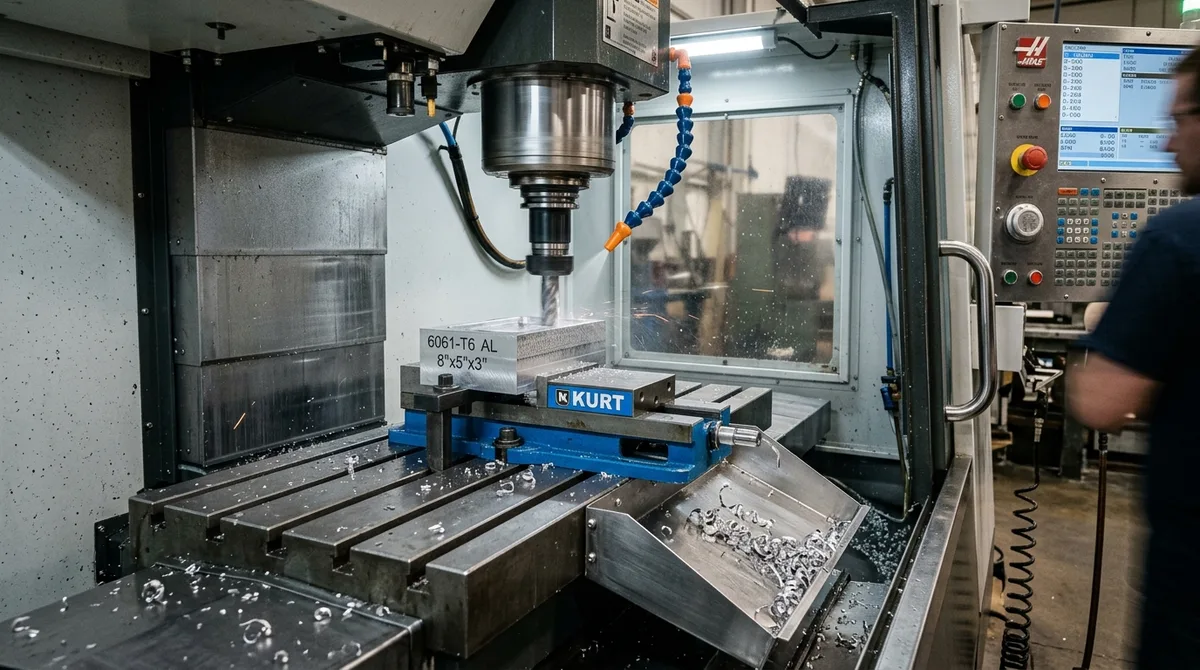
Traditional flood coolant floods machine tools with thousands of liters of petroleum emulsions, requiring biocide treatments and specialized hazardous waste disposal. We replace flood systems with advanced Near-Dry Machining (NDM):
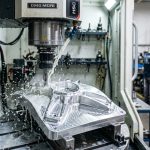
- Micro-Aerosol Delivery: High-precision pneumatic micro-pumps atomize high-lubricity fatty-acid vegetable esters directly through spindle nozzles at minute flow rates (10 to 50 ml/hour).
- Total Evaporation & Dry Chips: The minute quantity of natural ester evaporates during chip formation or burns cleanly without toxic smoke. Machined parts emerge dry, clean, and immediately ready for deburring or anodizing.
- Operator Respiratory Health: Plant-based esters contain zero chlorine, sulfur, or volatile organic compounds (VOCs), maintaining clean air on the factory floor.
Pillar 3: Eco-DFM & Near-Net-Shape Raw Stock Optimization
True sustainability begins in the 3D CAD environment before a single spindle rotation:
- Billet Sizing Discipline: Engineers optimize raw bar and plate envelope dimensions to allow only 1.5 to 2.5 mm stock allowance per face, reducing gross roughing waste by up to 40%.
- Hybrid Additive + Subtractive Workflows: For complex geometries with deep cavities, initial preforms are fabricated via industrial DMLS metal 3D printing or investment casting, followed by CNC finish machining strictly on critical mating datums and bearing bores.
- Modular Assembly Design: Replacing monolithic deep-pocket hog-outs with multi-part precision pinned assemblies drastically curtails raw material consumption and machine run time.
Environmental Performance Benchmark: Conventional vs. Green Prototyping
The comparative data below demonstrates the operational and carbon footprint reductions delivered by green prototyping infrastructure:
| Environmental Metric | Conventional CNC Machine Shop | Green Rapid Prototyping Facility | Sustainability Impact |
|---|---|---|---|
| Cutting Fluid Consumption | 1,200 L / month (Water-soluble emulsion) | 35 L / month (Biodegradable MQL ester) | 97% Fluid Reduction |
| Aluminum Swarf Remelt Yield | 55% – 65% (Loose oxidized chips) | 94% – 97% (Hydraulic briquettes) | +32% Material Recovery |
| Hazardous Waste Disposal | High (Spent sumps, tramp oils, sludge) | Near Zero (Closed-loop centrifuges) | Zero Landfill Runoff |
| Surface Pre-Cleaning Energy | Hot chemical degreasing tanks (65°C) | Dry MQL parts require ambient wash | 60% Thermal Energy Saved |
| Part Carbon Footprint (CO2e) | 14.2 kg CO2e / kg finished part | 4.8 kg CO2e / kg finished part | 66% Carbon Abatement |
Sustainable Materials & Eco-Finishing Standards Matrix
Replacing toxic surface finishes and unrecyclable thermosets with environmentally compliant alternatives:
| Process / Material | Conventional Process | Green Eco Alternative | Environmental Standard Compliance |
|---|---|---|---|
| Aluminum Passivation | Hexavalent Chromium (Cr6+) Alodine | Trivalent Chromium (Cr3+) TCP / SurTec 650 | RoHS / REACH Compliant |
| Plastic Prototyping | Non-recyclable toxic PU casting resins | Bio-based PA11 Nylon & Recyclable PETG | 100% Circular Thermoplastic |
| Metal Protective Coating | Solvent-based liquid enamels (High VOC) | Solvent-Free Electrostatic Powder Coating | Zero VOC Emissions |
| Steel Blackening | Hot caustic black oxide (Boiling cyanide baths) | Room-temperature black phosphate conversion | Non-Hazardous Chemical Effluent |
In many non-ferrous and titanium milling operations, MQL improves tool life by 15% to 25%. High-lubricity plant-based esters provide superior boundary film strength at high cutting temperatures compared to water-diluted soluble oils, preventing microscopic thermal shock micro-cracking.
Loose swarf is passed through a centrifuge to extract cutting fluids, then compressed into high-density briquettes under 3,000 bar pressure. These pucks are segregated strictly by alloy family (6061 vs 7075) and re-melted in induction furnaces with minimal dross oxidation loss.
RoHS and REACH prohibit the use of toxic hexavalent chromium (Cr6+). Compliant alternatives include Type II and Type III sulfuric acid anodizing with nickel-free hot water sealing, trivalent chromium (Cr3+) conversion coatings (SurTec 650), and zero-VOC electrostatic powder coatings.
Build Sustainable Hardware Prototypes with Us
Reduce your product’s embodied carbon footprint through closed-loop swarf recycling, near-dry MQL machining, and RoHS-compliant finishes. Submit your 3D CAD models (STEP / IGES) today for an instant Eco-DFM manufacturability analysis and competitive quotation.
Start Your Green Prototyping Project →