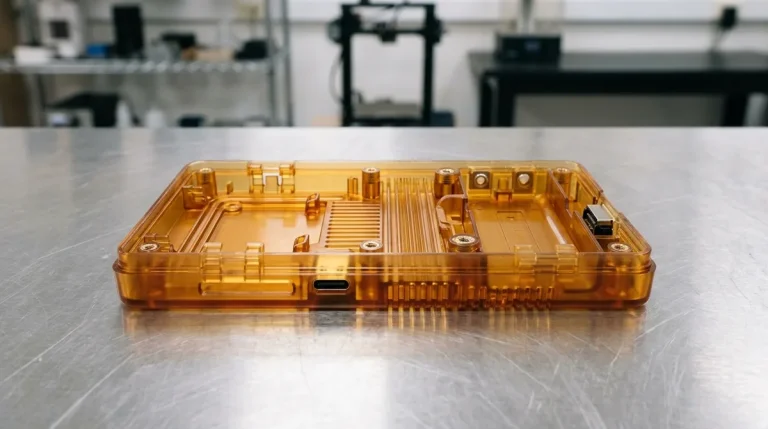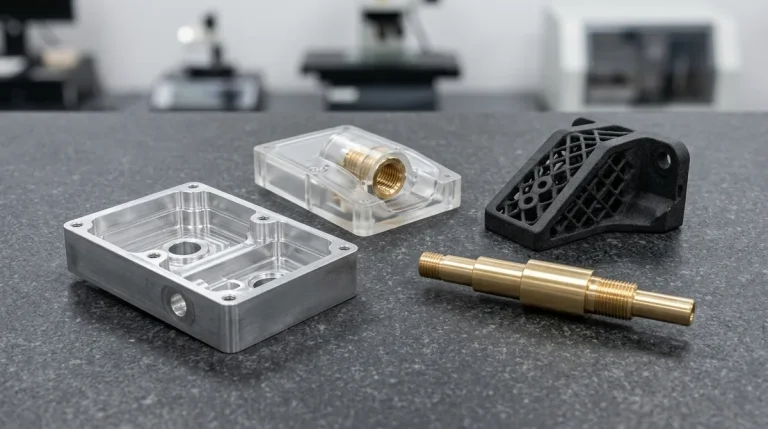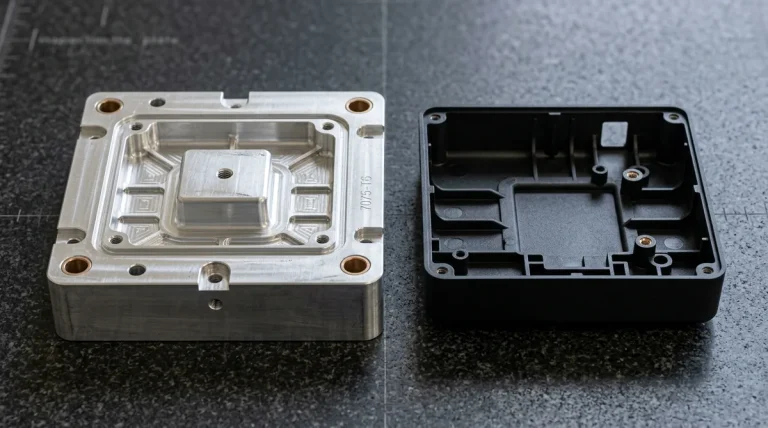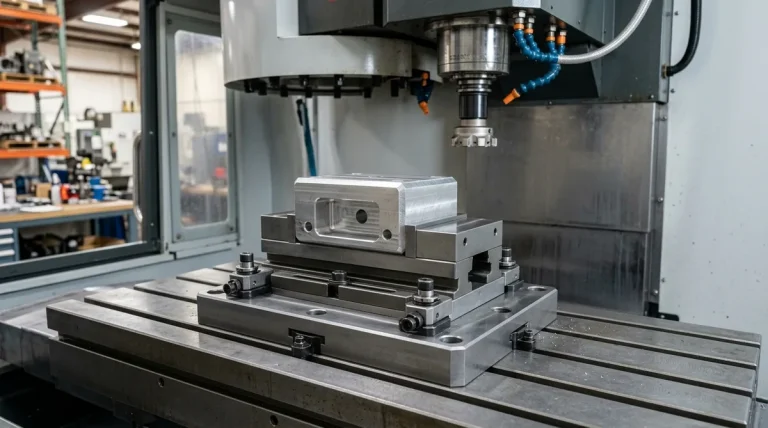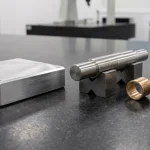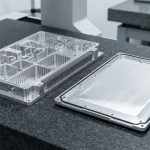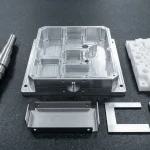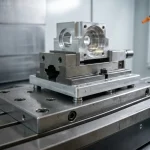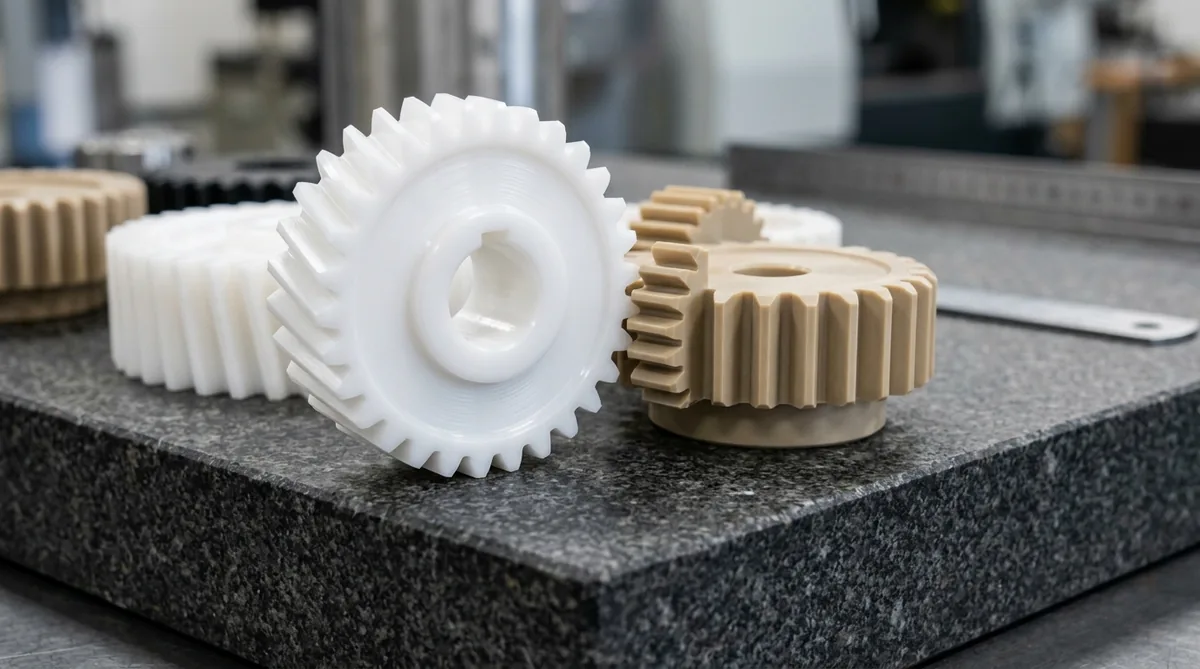
Automotive engineering plastics have revolutionized modern automotive design, spearheading the industry transition toward vehicle lightweighting, reduced emissions, and structural electrification. In both internal combustion engine (ICE) powertrains and electric vehicle (EV) battery architectures, replacing structural die-cast aluminum and stamped steel with reinforced engineering polymers cuts component weight by 30% to 50% while dampening noise, vibration, and harshness (NVH). In our specialized automotive manufacturing facility, utilizing high-precision precision CNC machining and injection molding enables engineers to prototype and scale mission-critical polymer components meeting stringent thermal, chemical, and mechanical automotive standards.
1. Core Engineering Polymers for Automotive Systems
Modern vehicles expose structural plastic components to severe environmental stress, including continuous operating temperatures up to 200°C, direct contact with aggressive transmission fluids, and dynamic mechanical cyclic loads:
- Polyamide 66 Glass-Filled (PA66-GF30 / PA66-GF35): The workhorse structural thermoplastic for engine bay brackets, intake manifolds, radiator end-tanks, and battery pack modules. With 30% to 35% short glass fiber reinforcement, PA66 delivers tensile strengths exceeding 175 MPa and a heat deflection temperature of 250°C under load.
- Polyoxymethylene Copolymer (POM-C / Acetal): Featuring natural lubricity, low friction coefficient (μ ≈ 0.25), and exceptional dimensional stability in humid environments. The benchmark choice for fuel delivery sender units, windshield wiper gears, seat belt mechanism ratchets, and door lock latches.
- Polyether Ether Ketone (PEEK / PEEK-GF30): The ultimate ultra-polymer for severe-duty applications. Operating continuously at temperatures up to 260°C, PEEK resists all automotive chemicals and hydrocarbons. Frequently deployed in EV e-axle thrust washers, vacuum pump vanes, and high-voltage busbar insulators.
- Polyphenylene Sulfide (PPS-GF40): Exhibits zero moisture absorption, flame retardancy (UL94 V-0 without additives), and resistance to boiling engine coolant (ethylene glycol). Widely used for electronic water pump impellers, thermostat housings, and IGBT inverter modules.
| Automotive Polymer Grade | Tensile Strength (MPa) | Heat Deflection Temp (1.8 MPa) | Dielectric Strength (kV/mm) | Typical Automotive Applications |
|---|---|---|---|---|
| PA66-GF30 | 175 – 190 | 245°C – 255°C | 18 – 22 | Intake manifolds, engine mount brackets, battery enclosures |
| POM-C (Unfilled) | 65 – 72 | 100°C – 110°C | 20 – 25 | Wiper gears, fuel system valves, window regulator sliders |
| PPS-GF40 | 160 – 180 | 260°C – 270°C | 22 – 28 | Coolant valve housings, EV inverter covers, brake sensors |
| PEEK-GF30 | 200 – 220 | 300°C – 315°C | 25 – 30 | E-motor thrust rings, turbocharger actuators, transmission seals |
| PBT-GF30 | 130 – 145 | 205°C – 215°C | 24 – 28 | Ignition coil bobbins, headlamp structural frames, sensor plugs |
2. Chemical Compatibility in Under-the-Hood Environments
Under-the-hood and chassis components face direct immersion or vapor contact with diverse automotive fluids. Polymer degradation from plasticizer leaching, environmental stress cracking (ESC), or hydrolytic cleavage can lead to catastrophic field failures:
| Automotive Fluid Type | PA66-GF30 | POM-C | PPS-GF40 | PEEK |
|---|---|---|---|---|
| Engine Oil & Synthetic Lubricants | Excellent (< 120°C) | Excellent | Outstanding (> 150°C) | Outstanding (> 200°C) |
| Ethylene Glycol Coolant (50/50 Mix) | Good (Hydrolysis risk > 100°C) | Moderate (Acid catalyzed) | Outstanding | Outstanding |
| DOT 4 / DOT 5.1 Brake Fluid | Excellent | Moderate | Outstanding | Outstanding |
| Automatic Transmission Fluid (ATF) | Good | Excellent | Outstanding | Outstanding |
| Battery Electrolyte / Dielectric Coolants | Moderate | Poor | Outstanding | Outstanding |
3. Machining Dynamics and Tooling for Fiber-Reinforced Resins
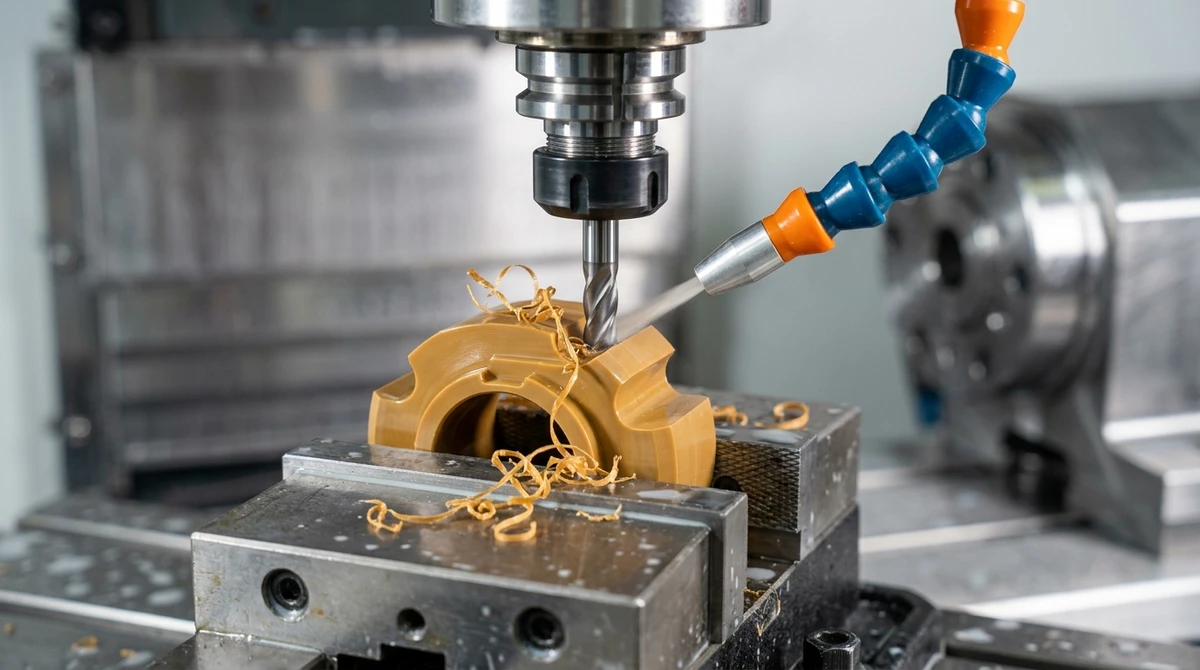
Prototyping reinforced automotive polymers via CNC machining presents unique tribological challenges compared to unfilled plastics:
- Abrasive Tool Wear: Chopped glass fibers (GF) and carbon fibers (CF) act as internal microscopic grinding wheels against cutting edges. Uncoated carbide end mills degrade within minutes, resulting in dimensional drift and surface fraying. Machining PA66-GF30 or PPS-GF40 requires Polycrystalline Diamond (PCD) or diamond-like carbon (DLC) coated tooling.
- Fiber Pull-Out vs. Shear Cutting: Positive rake angle geometry (> 15°) with razor-sharp micro-honed cutting edges shears through glass bundles cleanly rather than pulling them out of the polymer matrix, preventing porous surface voids.
- Thermal Dissipation & Internal Stress Relieving: Because thermoplastics have low thermal conductivity, heat accumulates rapidly at the cut zone. Machining thick-walled blocks requires high-volume flood coolant or vortex cold-air guns, supplemented by intermediate thermal annealing (e.g., staged annealing at roughly 200–250°C for PEEK) to relieve residual stresses and prevent part warpage.
4. DFM Considerations for High-Voltage EV Components
Electrification imposes strict electrical insulation and flame safety requirements on automotive plastics:
- Comparative Tracking Index (CTI): In high-voltage EV battery distribution units (800V architectures), electrical tracking across plastic surfaces can ignite arc faults. Materials like PPS and flame-retardant PBT achieve CTI ratings of PLC 0 ((> 600 V)), enabling compact busbar isolator spacing.
- Flame Retardancy (UL94 V-0): Battery module end-plates and junction boxes must extinguish combustion within 10 seconds of flame application without dropping flaming molten droplets. Formulating halogen-free flame-retardant polymers ensures full safety compliance without compromising mechanical modulus.
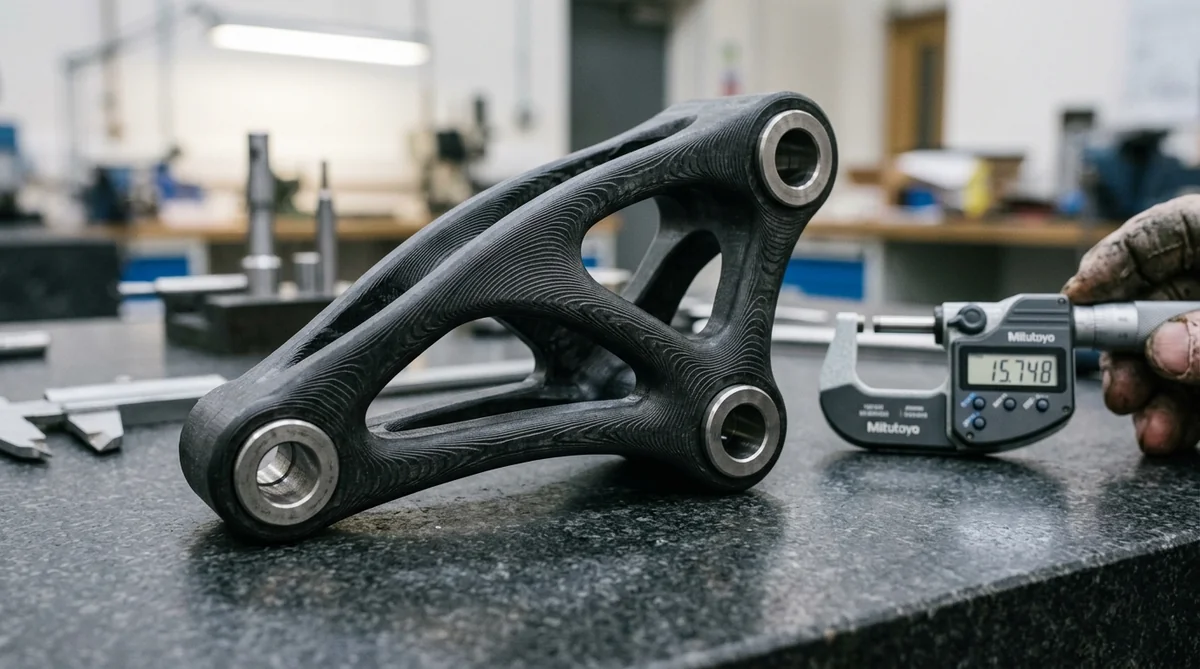
- Creep Resistance under Fastener Torque: Thermoplastics undergo viscoelastic cold flow under sustained mechanical clamp loads. When bolting plastic brackets directly to metal subframes, engineers specify press-fit brass threaded inserts or compression limiters to absorb bolt pre-tension and protect the plastic wall.
5. Prototype Validation Checklist for Automotive Polymer Parts
Automotive polymer prototypes should be validated across the full service envelope, typically −40°C to +125°C ambient with under-hood peaks of 150°C or higher for glass-filled PA66 and PPS, before any production steel tooling is committed.
- Moisture conditioning: Polyamides absorb atmospheric moisture until they reach equilibrium, which shifts dimensions by several tenths of a percent and lowers stiffness. Condition PA66 test parts to equilibrium before dimensional checks and mechanical tests so results match field behavior.
- Fiber orientation and warpage: Glass-filled resins shrink and stiffen differently along and across the flow direction. Parts machined from extruded stock do not reproduce molded-in warpage, so confirm flatness on molded or cast samples before releasing tooling.
- Thermal cycling: Cycle samples between −40°C and +125°C for several hundred cycles while monitoring clip engagement force, snap-fit retention and seal-groove dimensions.
- Fluid exposure: Soak representative coupons in engine oil, glycol coolant, brake fluid and fuel vapor at operating temperature, then re-measure tensile strength and surface condition.
Recording these four checks in the prototype test plan turns material selection from a datasheet comparison into verified evidence, and it gives our DFM engineers concrete targets for wall thickness, rib design and insert retention before tool design begins.
Frequently Asked Questions
Unreinforced nylon (PA66) absorbs up to 8% atmospheric moisture, leading to significant dimensional swelling and a 50% drop in tensile modulus. Adding 30% glass fiber (PA66-GF30) drastically reduces moisture absorption, increases tensile strength from 80 MPa to 185 MPa, and elevates the heat deflection temperature under load from 85°C to over 250°C.
Polyphenylene Sulfide (PPS-GF40) and flame-retardant PBT-GF30 are the premier engineering choices for EV high-voltage connectors and busbar housings. They offer high Comparative Tracking Index ratings (CTI > 600V), intrinsic UL94 V-0 flammability ratings, and zero dimensional movement under thermal cycling.
Glass fibers are highly abrasive and rapidly dull conventional carbide cutting tools. To achieve tight tolerances and mirror-smooth surfaces without fiber pull-out or frayed edges, machinists use Polycrystalline Diamond (PCD) tipped end mills operating at high cutting speeds with compressed air or flood coolant to evacuate heat.
Precision Polymer Machining & Tooling for Automotive Innovations
From high-temperature PEEK powertrain seals to lightweight PA66 structural brackets, our facility provides rapid CNC machining, vacuum casting, and bridge tooling for global automotive OEMs. Upload your CAD models (STEP/IGES) for immediate DFM feedback and competitive pricing.