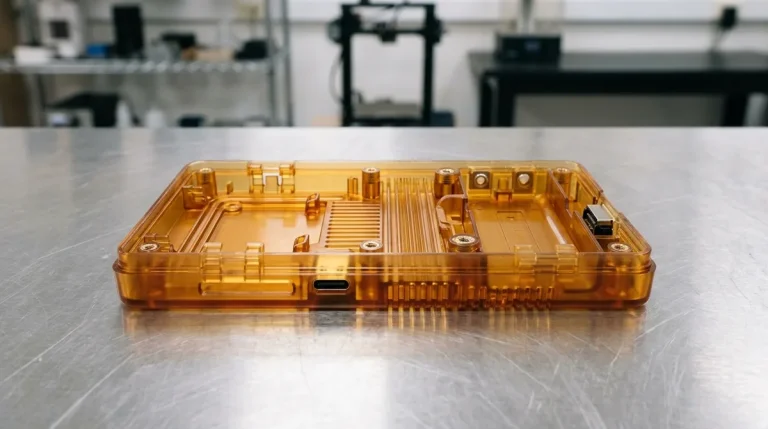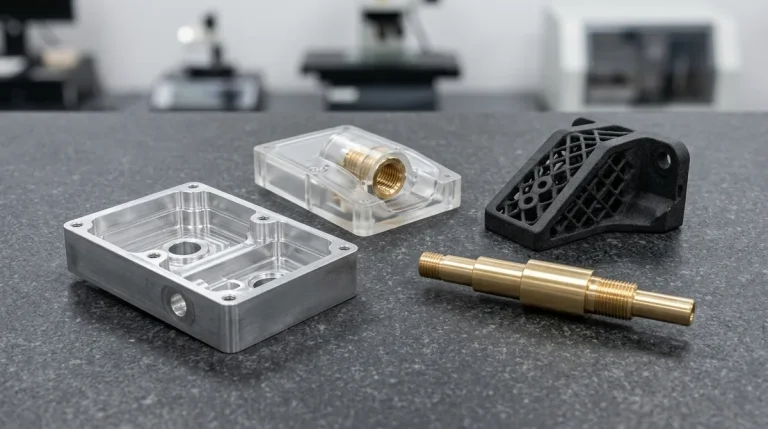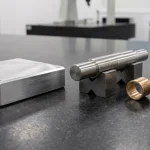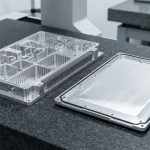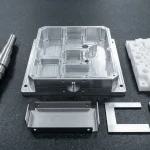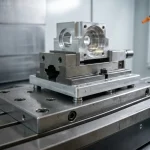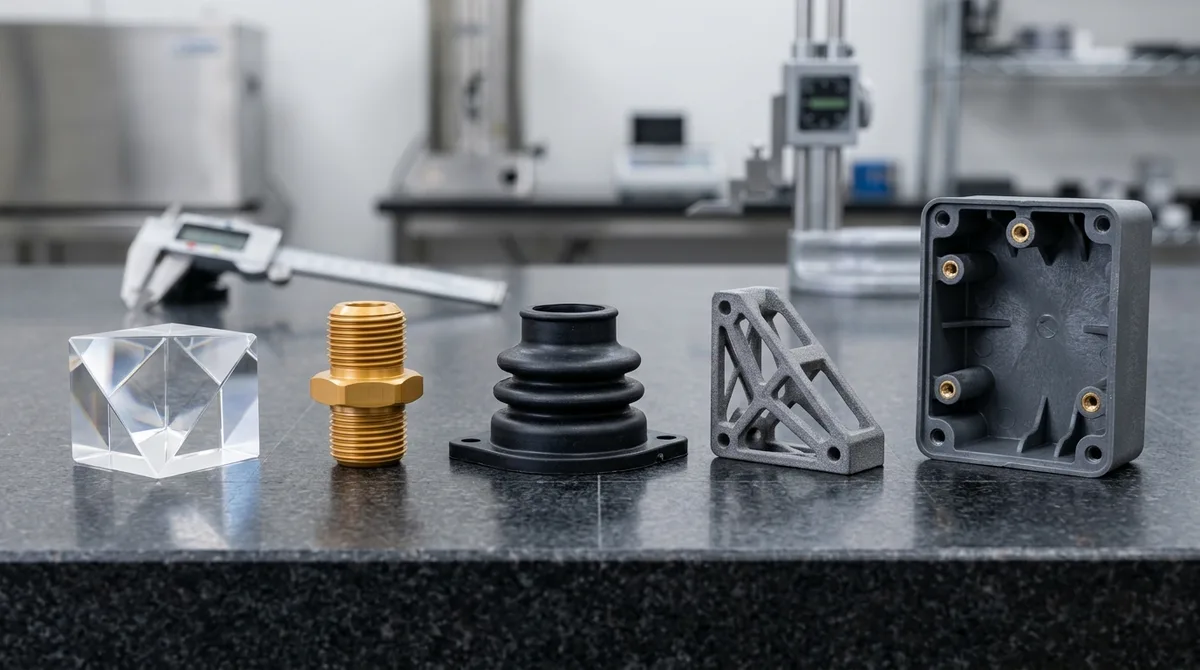
Selecting the optimal plastic fabrication methods is one of the most consequential decisions in hardware product engineering, dictating mechanical integrity, cosmetic fidelity, lead time, and tooling amortization. Whether producing a single transparent optical prism, twenty elastomeric automotive seal prototypes, or ten thousand glass-reinforced structural enclosures, no single fabrication process fits all applications. In our advanced precision CNC machining and molding facility, deploying 8 specialized plastic fabrication technologies provides engineering teams with complete manufacturing agility from prototype validation to full-scale production.
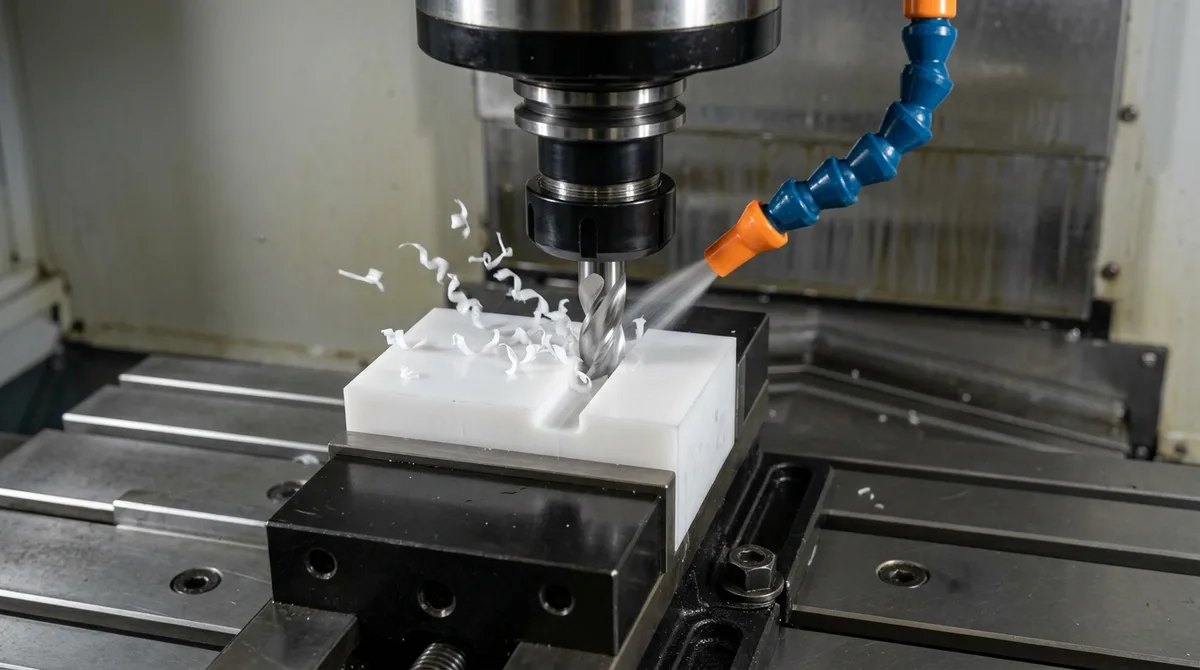
1. Precision CNC Plastic Milling
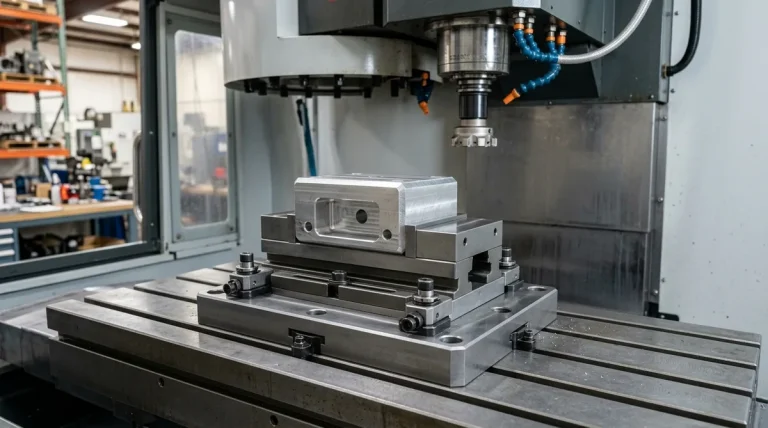
CNC plastic milling delivers unmatched geometric fidelity and structural strength for functional prototypes and low-volume production runs:
- Engineering Grade Materials: Direct machining from solid extruded or compression-molded plastic stock (such as PEEK, POM-C / Delrin, PTFE, UHMW-PE, and Ultem 1000) guarantees 100% material density with no internal voids or sink marks.
- Tight Tolerances & Surface Quality: Operating high-speed spindles with sharp, single-flute polished carbide “O-flute” end mills maintains tolerances within ±0.015 mm (drawing-specified precision features; ISO 2768-mK for general dimensions) while preventing plastic chip rewelding.
- Thermal Management: Chilled vortex cold-air guns prevent localized overheating at the shear zone, eliminating part bowing and residual stress warpage without contaminating virgin polymer with chemical coolants.
2. Precision CNC Turning & Swiss Micromachining
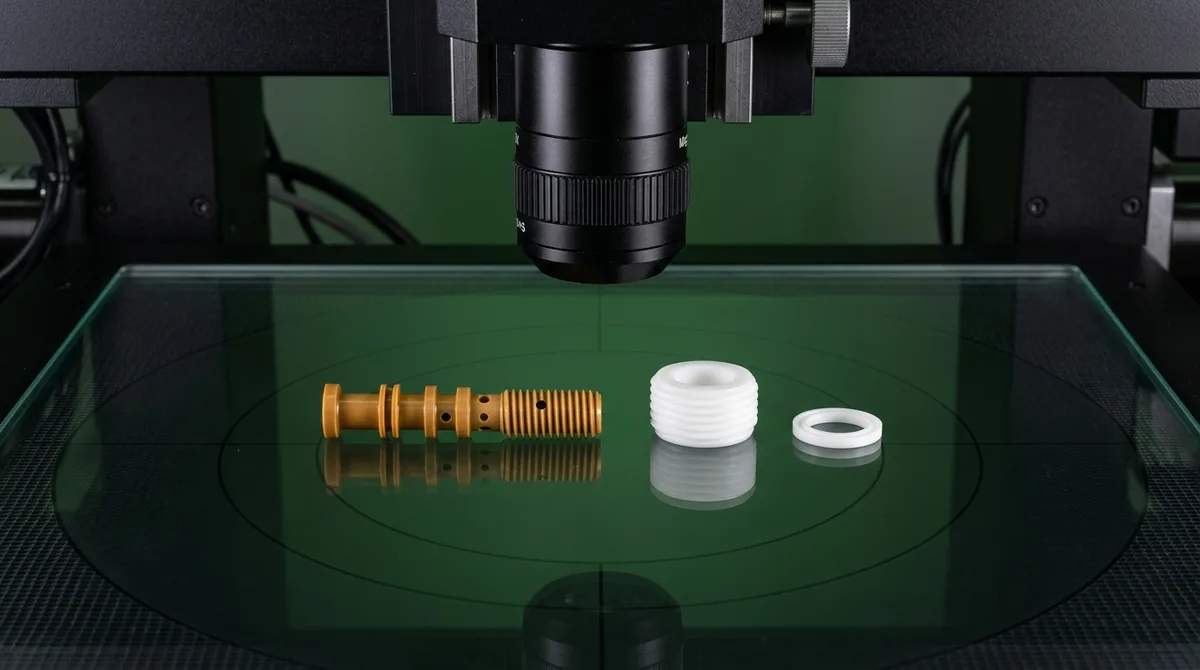
For cylindrical plastic components, valving spools, and threaded fluidic fittings, CNC turning centers provide high-speed circular symmetry:
- Swiss-Type Sliding Headstock Lathes: In our micro-machining cells, Swiss lathes turn miniature plastic parts (such as PEEK medical bone pins, fluidic manifold spools, and PTFE valve seats down to 0.5 mm diameter) with precision runout within ±0.010 mm and negligible deflection.
- Single-Point Threading & Live Tooling: Synchronized live milling attachments drill radial cross-holes and mill external wrench flats in a single continuous cycle without secondary manual reclamping.
- Non-Contact Metrology: Finished micro-turned plastic features are verified on 2.5D optical video measuring systems (VMS) with sub-stage illumination to prevent contact probe deflection on soft polymers.
3. Polyurethane Vacuum Casting (Silicone Tooling)
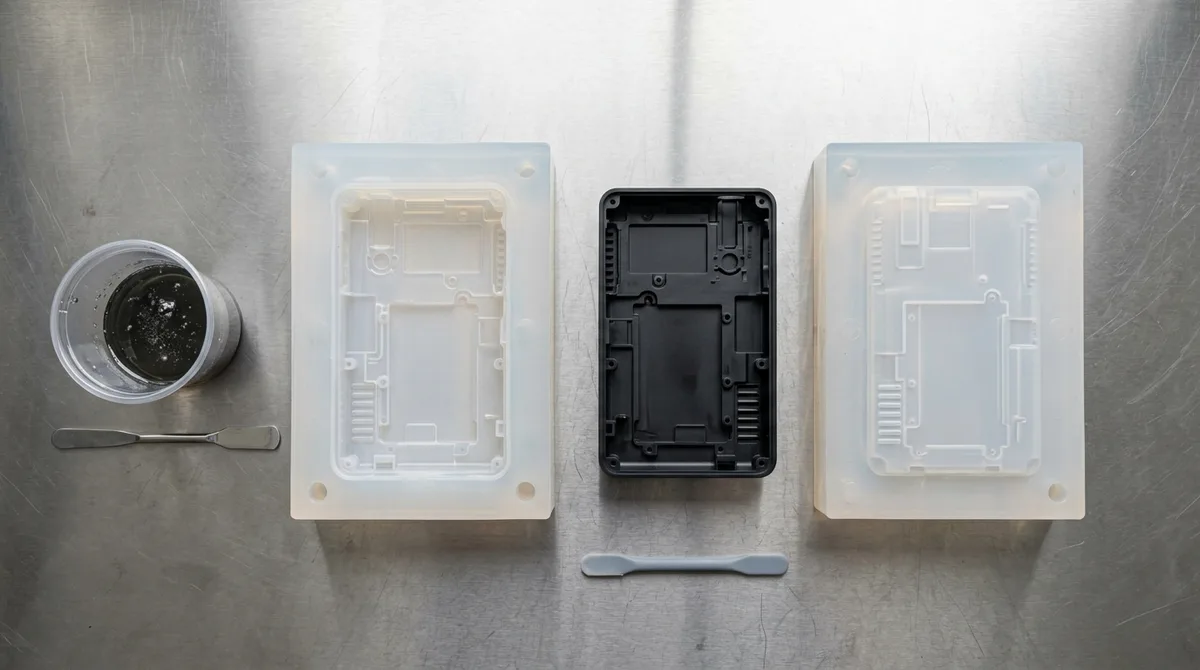
Polyurethane vacuum casting bridges the gap between single CNC prototypes and high-cost steel injection tooling:
- Silicone Rubber Molds: Room Temperature Vulcanizing (RTV) platinum-cured silicone is poured over a CNC-machined master pattern, creating flexible molds that capture micro-textures down to sub-micron resolution.
- Polyurethane Resin Simulation: In a deep vacuum chamber, multi-component PU resins replicate production thermoplastics, including ABS-like rigid plastics, polypropylene (PP) living hinges, and Shore 30A to 90A rubber elastomers.
- Economic Bridge Tooling: Each silicone mold reliably produces 15 to 25 functional units, slashing upfront development capital by over 80% with turnaround times of 7 to 12 business days.
| Plastic Fabrication Method | Typical Batch Size | Tolerance Capability | Tooling Cost Commitment | Primary Engineering Sweet Spot |
|---|---|---|---|---|
| CNC Milling / Turning | 1 – 50 parts | ±0.015 mm | Zero tooling cost | High-stress structural parts, PEEK, POM-C |
| Vacuum Casting | 10 – 100 parts | ±0.15 mm | Very Low (Rapid Silicone / Epoxy Tooling) | Pre-series testing, molded textures, elastomeric boots |
| Rapid Injection Tooling | 500 – 10,000 parts | ±0.05 mm | Moderate (Aluminum Bridge Mold Tooling) | Bridge production in native resins (PA66-GF30, PC) |
| Industrial 3D Printing | 1 – 10 parts | ±0.15 mm | Zero tooling cost | Ergonomic concept mockups, complex internal air ducts |
| Plastic Thermoforming | 50 – 500 parts | ±0.50 mm | Low (Modular Vacuum Forming Platen) | Large thin-wall equipment panels, blister trays |
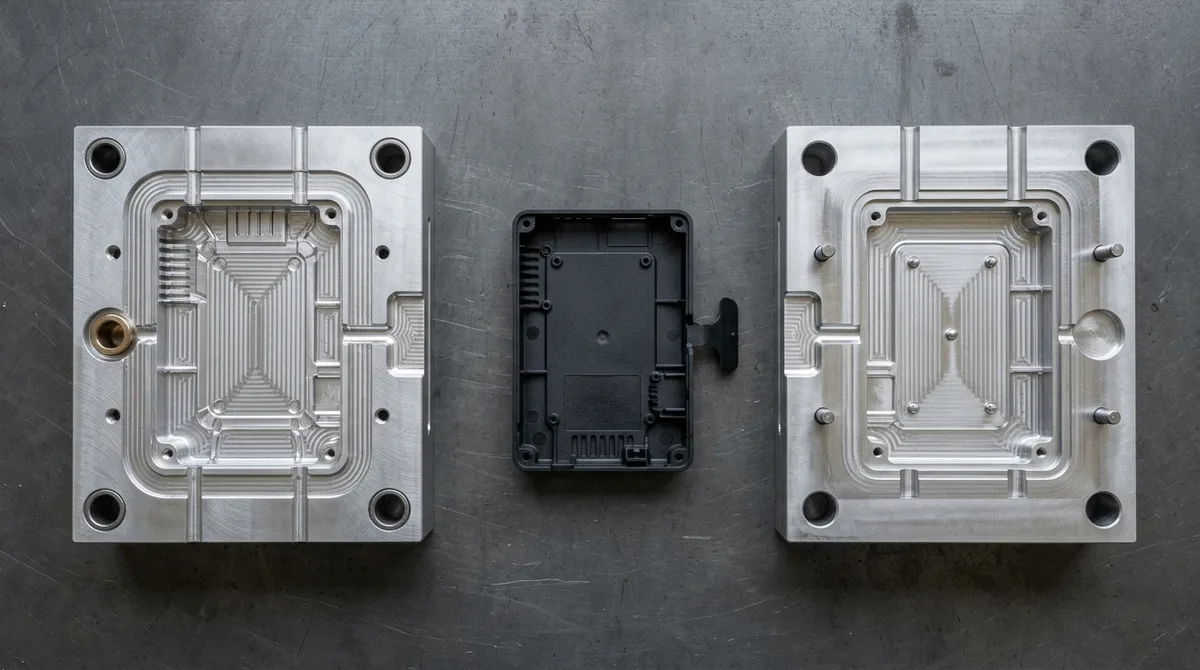
4. Rapid Injection Tooling & MUD Inserts
When physical validation requires molding in authentic series-production polymers (such as glass-filled nylon PA66-GF30 or flame-retardant PBT):
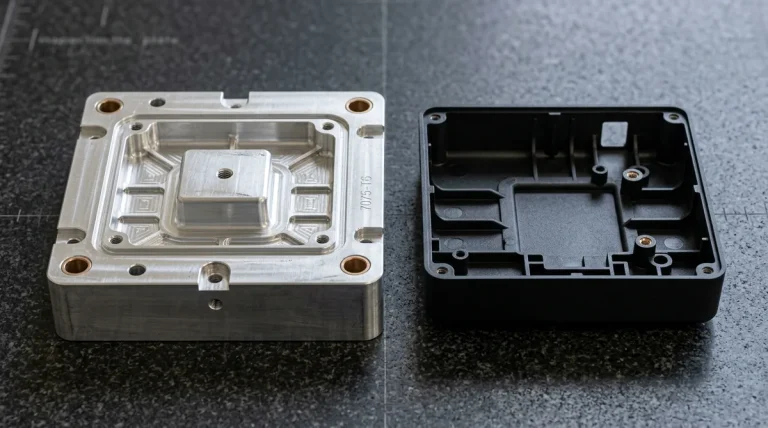
- Master Unit Die (MUD) Aluminum Inserts: Precision 7075-T6 aluminum mold cores and cavities fit into standardized steel companion frames, cutting tooling lead times down to 18 to 35 business days.
- True Production Scalability: Rapid tooling validates mold filling flow, gate witness marks, and cycle times, producing 1,000 to 10,000 production-identical units prior to hardened production steel mold commitment.
- Direct Resin Validation: Components exhibit identical mechanical stiffness, thermal deflection temperatures (HDT), and chemical resistance to full-scale injection moldings.
5. Industrial Additive Manufacturing (3D Printing)
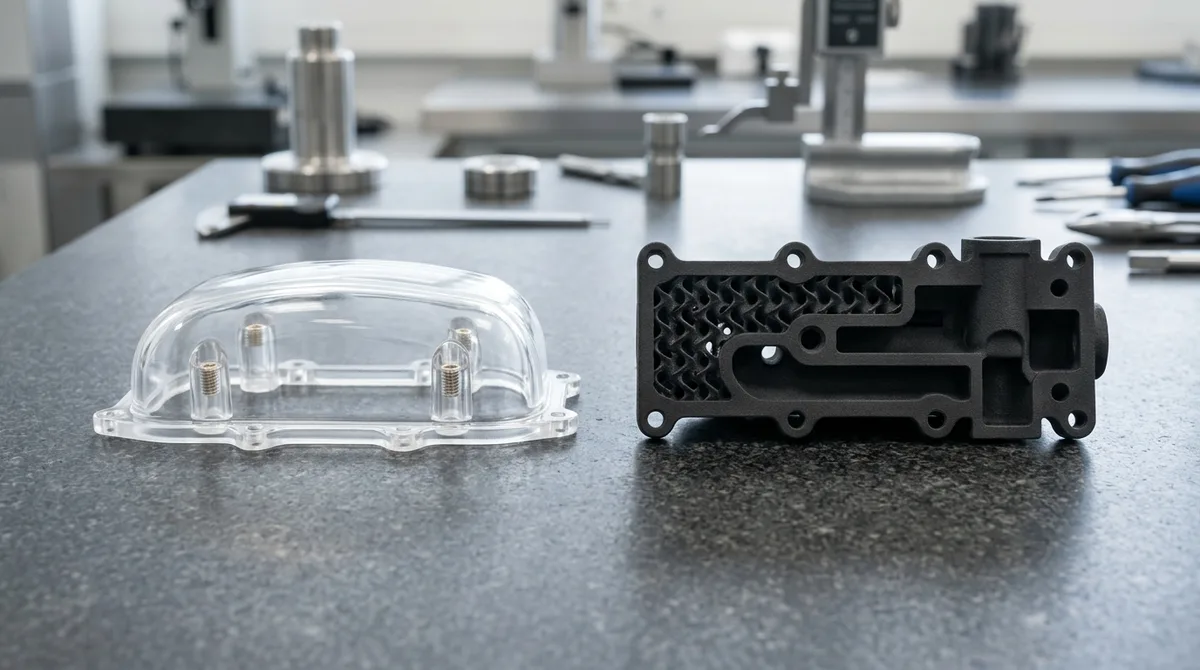
Modern industrial additive manufacturing technologies offer complete geometric freedom without draft angle or undercut constraints:
- Stereolithography (SLA): Uses high-resolution UV laser scanning across liquid photopolymer resin to produce ultra-smooth styling models and transparent microfluidic chips with layer thicknesses down to 25 µm.
- Selective Laser Sintering (SLS): Sintering powdered nylon (PA12 / PA11) with CO2 lasers produces tough, self-supporting functional ducting and snap-fit electronic housings with zero sacrificial support structures required.
- Multi Jet Fusion (MJF): Fuses nylon powder with thermal detailing agents, delivering balanced isotropic mechanical properties for high-density functional assemblies.
6. Plastic Sheet Thermoforming & Vacuum Forming
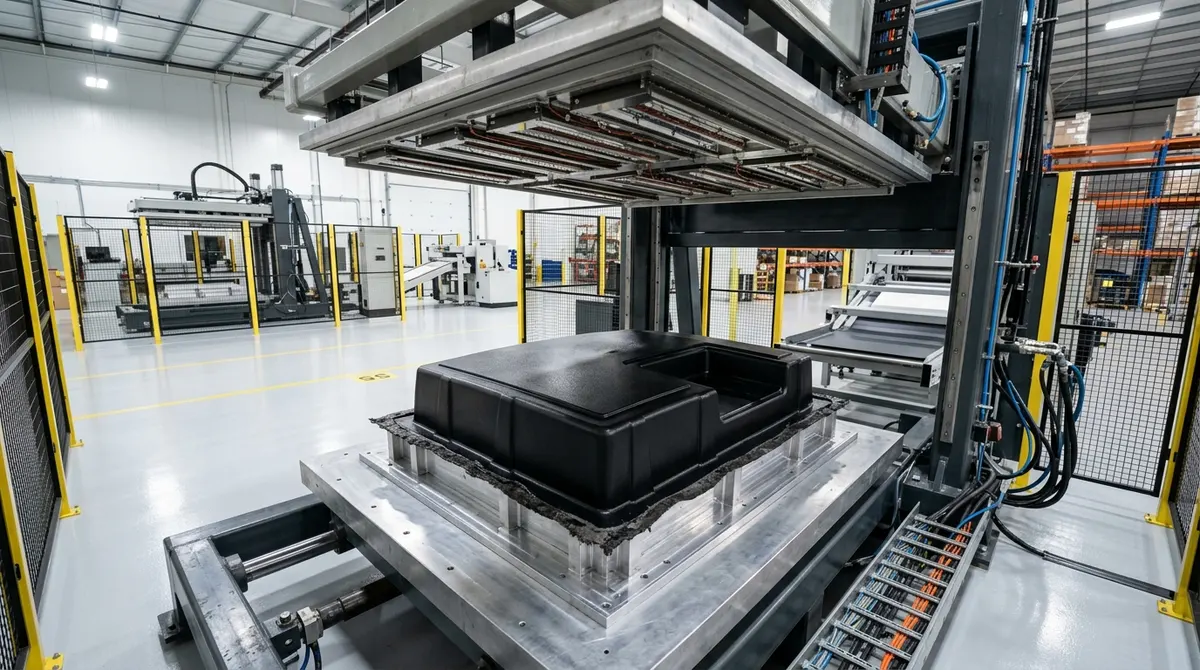
For large-format thin-wall housings, vehicle interior panels, and equipment shrouds:
- Process Mechanism: Thermoplastic sheets (ABS, HIPS, Polycarbonate, or Kydex) are heated to pliable thermoforming temperatures and drawn tightly over CNC-machined aluminum or epoxy tooling using deep vacuum suction.
- Cost Efficiency on Large Panels: Offers exceptionally low tooling costs and rapid cycle times for panels exceeding 1 meter in length, followed by automated 5-axis CNC router perimeter trimming and port routing.
- Design Guidelines: Maintaining generous corner radii (R ≥ thickness) and draft angles of 2° to 5° ensures seamless part release and uniform wall thickness distribution.
7. Ultrasonic & Thermal Fusion Welding
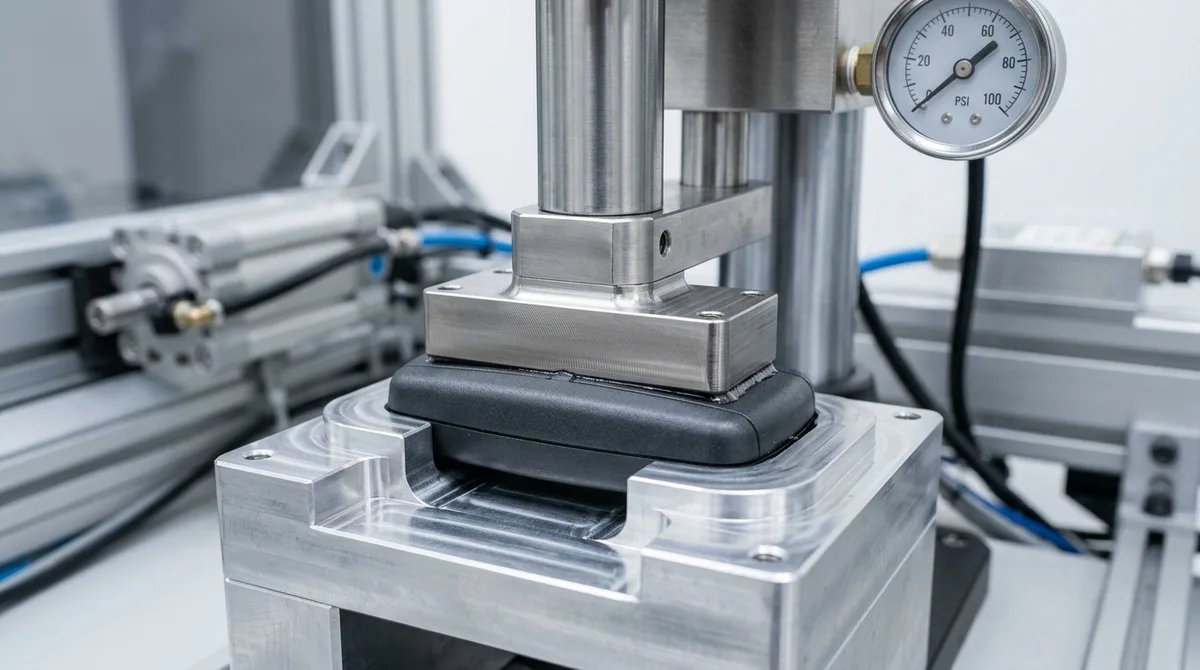
Assembling multi-piece plastic components into hermetically sealed fluid reservoirs without chemical glues or mechanical fasteners:
- Ultrasonic Welding: High-frequency acoustic vibrations (20 to 40 kHz) applied under pneumatic clamp pressure induce localized friction melting at engineered energy director ribs, creating instantaneous, molecular hermetic bonds in under 2 seconds.
- Joint Design Optimization: Precision tongue-and-groove joint profiles with triangular energy directors concentrate acoustic energy, preventing molten flash from contaminating internal chambers.
- Hot Plate & Spin Welding: Ideal for circular automotive fluid filters and pressure vessels, ensuring burst pressure ratings matching the parent resin.
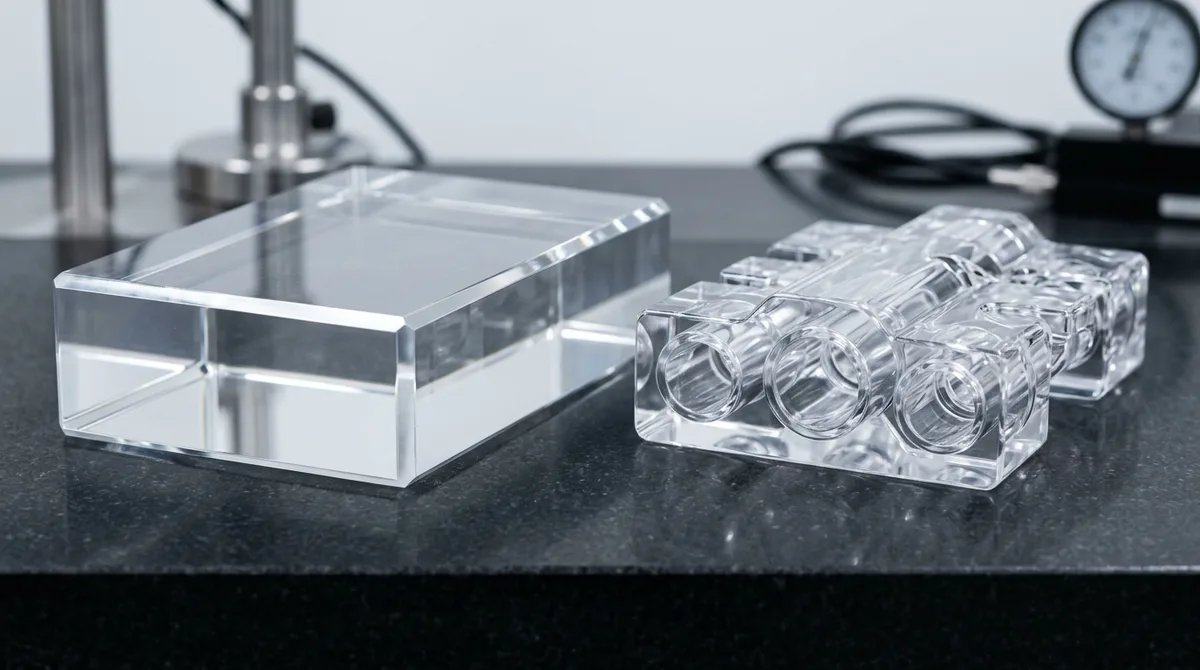
8. Diamond & Vapor Optical Polishing
Achieving crystal-clear transparency on machined acrylic (PMMA) or polycarbonate (PC):
- Single-Point Diamond Fly-Cutting (SPDT): Monocrystalline natural diamond cutters sweep across acrylic faces, achieving optical clarity right off the machine bed with surface roughness Ra < 5 nm.
- Controlled Vapor Polishing (Strictly Polycarbonate & ABS): Exposing PC parts to heated solvent vapors melts micro-crests instantly inside complex internal lumens. A controlled post-vapor thermal annealing step at 60°C to 80°C for 2 to 4 hours is strictly enforced to relieve chemical solvent stresses and prevent environmental stress cracking (ESC). Note: Acrylic (PMMA) must strictly avoid solvent vapors to prevent catastrophic stress crazing, relying exclusively on diamond machining and cotton wheel buffing.
| Plastic Material Family | Recommended Fabrication Method | Continuous Service Temp | Key Engineering Attribute |
|---|---|---|---|
| PEEK / PEEK-GF30 | 5-Axis CNC Milling / Swiss Turning | 250°C – 260°C | Extreme chemical resistance; high-temperature strength |
| POM-C (Acetal / Delrin) | CNC Milling & Turning / Rapid Injection | 100°C – 110°C | Low friction coefficient; dimensional moisture stability |
| Optical PMMA (Acrylic) | CNC Diamond Milling + Hand Mirror Buffing | 85°C – 95°C | 92% visible light transmission; zero optical haze |
| PA66-GF30 (Glass Nylon) | CNC Milling (PCD Tools) / Rapid Injection | 140°C – 160°C | High stiffness; under-the-hood structural durability |
| Polyurethane Cast Elastomer | Polyurethane Vacuum Casting | 70°C – 90°C | Shore 30A–90A flexibility; vibration dampening |
Frequently Asked Questions
Polyurethane vacuum casting utilizing silicone rubber molds is the most economical solution for batches between 10 and 50 parts. It delivers molded surface finishes, exact color matching, and production resin simulation without committing to high-cost metal injection tooling.
Polyoxymethylene (POM-C / Acetal), PEEK, and Ultem (PEI) are the premier plastics for high-precision CNC machining. They feature high dimensional stability, low thermal expansion, and crisp chip formation, allowing machinists to hold tight tolerances within ±0.015 mm.
When production volumes exceed 100 to 200 parts, or when parts require testing in qualified series-production resins (such as glass-filled polyamides or flame-retardant thermoplastics), rapid aluminum injection tooling becomes more cost-effective per part and provides true mass-production validation.
Precision Plastic Fabrication Engineered for Your Needs
From CNC plastic micro-milling and vacuum casting to bridge injection tooling and optical diamond polishing, our facility delivers end-to-end manufacturing agility. Upload your 3D CAD files (STEP/IGES) for an instant automated DFM analysis and competitive quote.