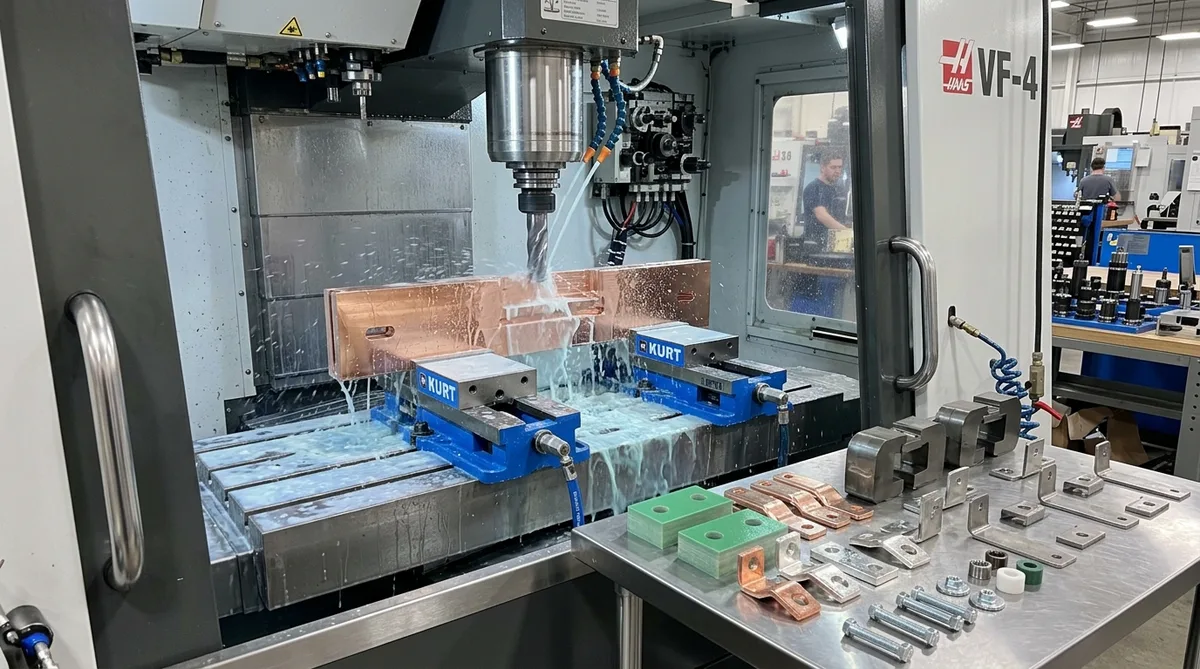
In power transmission grids, renewable energy substations, industrial drive systems, and electric vehicle (EV) charging architectures, high-voltage electrical transformers operate under relentless electrical, thermal, and mechanical stresses. Ensuring uninterrupted power transmission with minimal joule heating losses requires extreme precision across conductor geometries, magnetic core clamping structures, and dielectric insulation assemblies. CNC milling for electrical transformers provides the micron-level dimensional control, burr-free conductor edges, and geometric coplanarity necessary to prevent electrical arcing, minimize eddy current losses, and optimize high-amperage current carrying capacity.
Critical Transformer Components & Material Selection
Transformer manufacturing encompasses diverse material classes—from ultra-pure conductive copper to high-dielectric composite laminates and non-magnetic stainless structural steels:
1. High-Conductivity Copper Busbars (C11000 / C10100)
Electrolytic Tough Pitch (ETP) copper (C11000) and Oxygen-Free High Conductivity (OFHC) copper (C10100 / C10200) provide an electrical conductivity of 100% to 101% IACS. In high-power transformers, custom-milled busbar headers, tap-changer terminals, and flexible connector pads must carry thousands of amperes. Precision milling creates step-downs, multi-angled connection faces, and bolt clearance slots that guarantee maximum surface contact area.
2. High-Strength Aluminum Busbars (6101-T6 & 6061-T6)
Where weight savings and cost optimization are primary design parameters (such as dry-type cast resin distribution transformers), electrical-grade 6101-T6 aluminum offers 55% to 57% IACS conductivity at nearly one-third the density of copper. Structural tank covers, cable glands, and oil-conservator mounting flanges are CNC machined from 6061-T6 plate for non-magnetic enclosure sealing.
3. Dielectric Insulation Blocks (G10/FR4 & Phenolic Laminates)
Dielectric barriers, terminal spacer blocks, and coil support wedges require materials with exceptional electrical breakdown resistance (>20 kV/mm), zero moisture absorption, and high compressive strength to withstand electromagnetic clamping forces during short-circuit surges. We machine NEMA G10/FR4 glass-epoxy laminates and densified wood laminates into complex grooved channels that insulate conductors while routing cooling oil flow.
4. Non-Magnetic Core Clamps & Tie Plates
The magnetic core stack (grain-oriented electrical steel laminations) is clamped under tons of mechanical pressure using heavy structural steel tie bars and end frames. In high-leakage flux zones, austenitic stainless steel (such as 304L or 316L) is selected for its non-magnetic permeability (μr ≈ 1.02), eliminating parasitic eddy-current overheating in the structural frames.
Advanced Machining Challenges & Technical Solutions
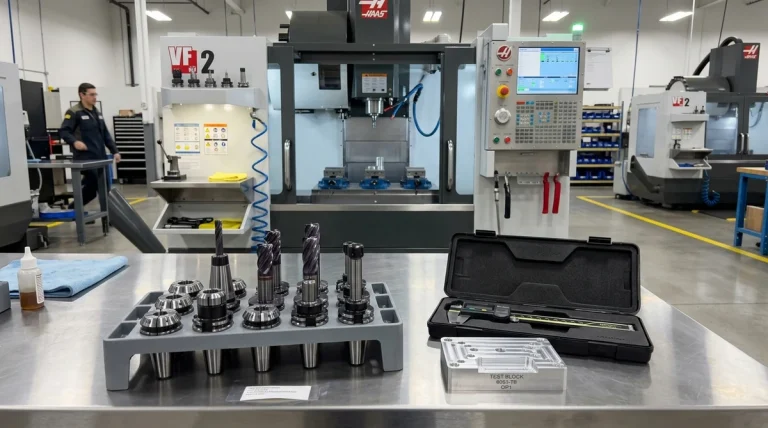
Machining electrical materials presents distinct physical challenges that our in-house precision CNC milling department resolves through specialized tool geometry and process control:
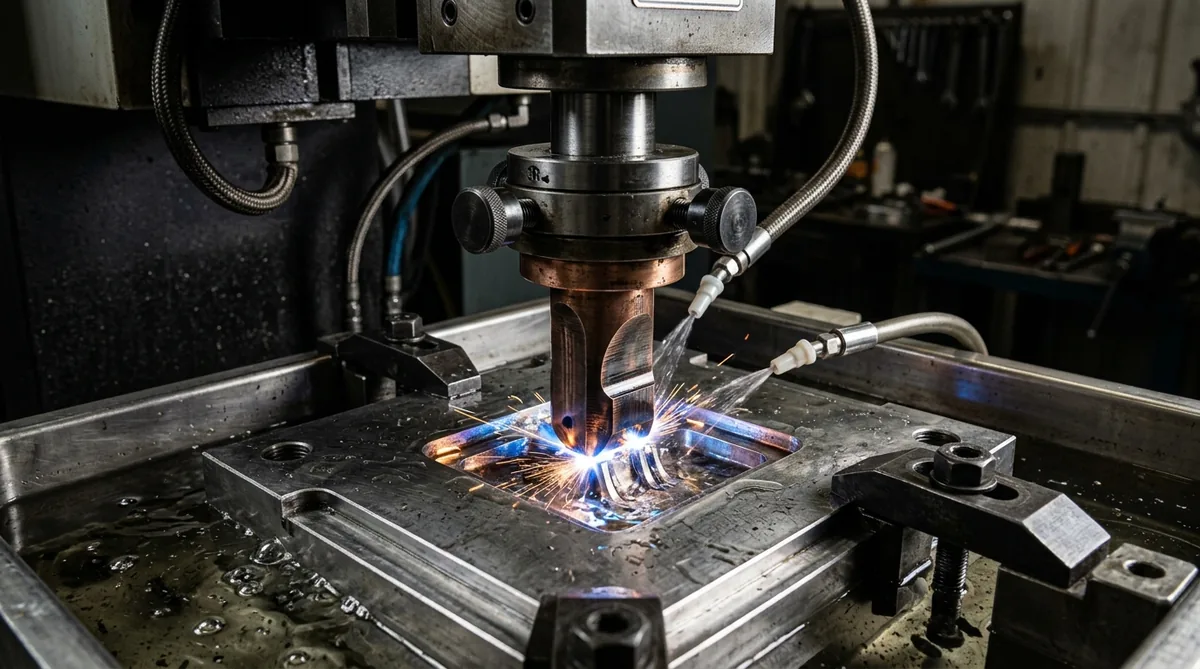
1. Taming Ductile Copper: Chip Evacuation & Burr Elimination
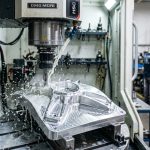
High-purity copper is notoriously gummy and prone to work hardening; heat generated during cutting causes molten copper to weld onto cutting tool flutes (built-up edge), creating severe burrs and tearing. We utilize single-flute and three-flute solid carbide end mills with mirror-polished rake faces, extreme shear rake angles (25°–30°), and diamond-like carbon (DLC) coatings. Coupled with high-pressure synthetic flood coolant, this produces continuous curled chips without thermal adhesion, delivering burr-free edges that eliminate corona discharge risks.
2. Glass-Fiber Delamination Prevention in G10/FR4
G10/FR4 composites consist of alternating layers of woven fiberglass embedded in cured epoxy resin. Standard drill bits cause entry delamination and fiber push-out blowout at the exit hole. We deploy Polycrystalline Diamond (PCD) tipped tooling and reverse-helix diamond-cut routers operated at high spindle speeds (18,000–24,000 RPM) with climb milling strategies, ensuring clean, splinter-free hole edges and precise terminal slots.
3. Tight Flatness Tolerances on Core Clamping Frames
To prevent localized acoustic noise (transformer hum) and avoid uneven compressive stress across delicate magnetic laminations, core clamping plates require extreme flatness (typically within ±0.05 mm over 1,000 mm). Utilizing heavy-duty CNC bed mills with face-milling fly cutters, blocks are stress-relieved prior to finish machining in temperature-stabilized setups.
Electrical Materials Performance Matrix
The table below compares mechanical, electrical, and thermal properties across key transformer engineering materials:
| Material Grade | Electrical Conductivity (% IACS) | Dielectric Strength (kV/mm) | Thermal Conductivity (W/m·K) | Key Mechanical Attribute | Transformer Component Application |
|---|---|---|---|---|---|
| C11000 ETP Copper | 100% – 101% | Conductor | 390 W/m·K | High ductility, low contact resistance | Main power busbars, tap changer terminals, coil leads |
| C10100 OFHC Copper | 101% | Conductor | 395 W/m·K | Zero hydrogen embrittlement during brazing | High-vacuum electrical feedthroughs, induction windings |
| Al 6101-T6 Aluminum | 56% – 57% | Conductor | 215 W/m·K | Lightweight, high yield strength (190 MPa) | Distribution transformer busbars, heat dissipation links |
| NEMA G10 / FR4 | Non-conductive | 25 – 35 kV/mm | 0.3 W/m·K | Tensile 300 MPa, self-extinguishing (UL94 V-0) | High-voltage coil spacer blocks, terminal boards, phase dividers |
| AISI 304L Stainless | <3% | Non-magnetic (μr < 1.02) | 16 W/m·K | Yield 240 MPa, corrosion resistant | Core clamping frames, flanged tank penetration collars |
Surface Treatments & Plating for Low Contact Resistance
To prevent galvanic corrosion and optimize electrical joint conductivity, custom CNC-milled conductors undergo specialized surface finishes:
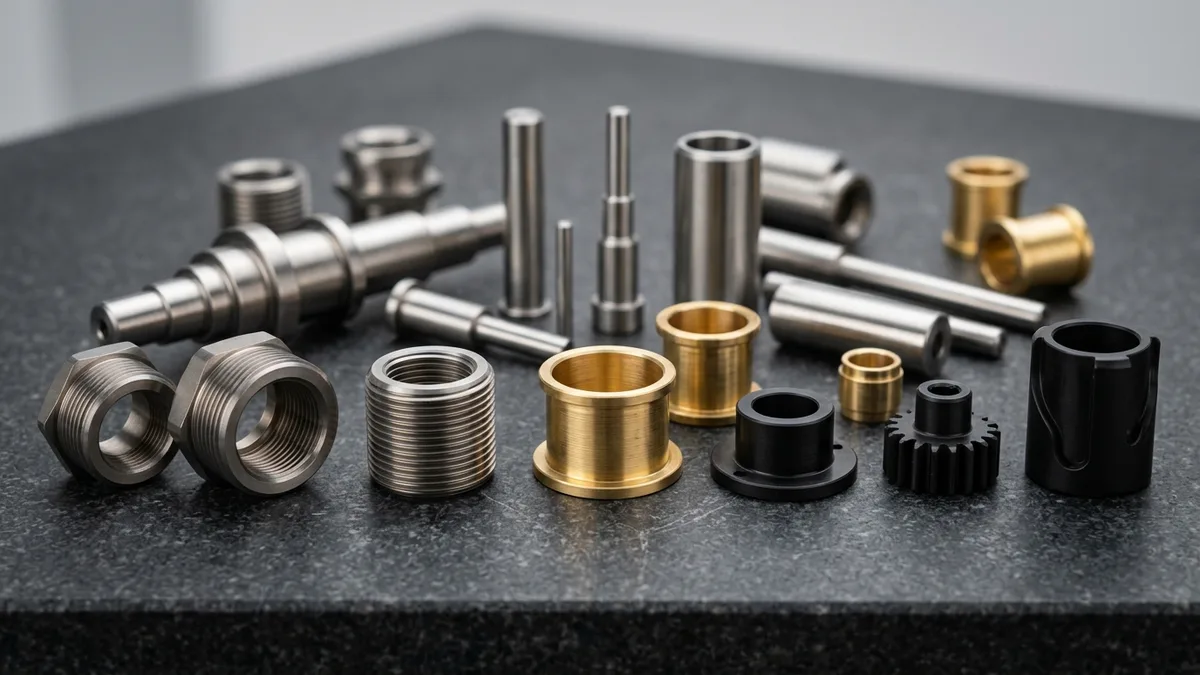
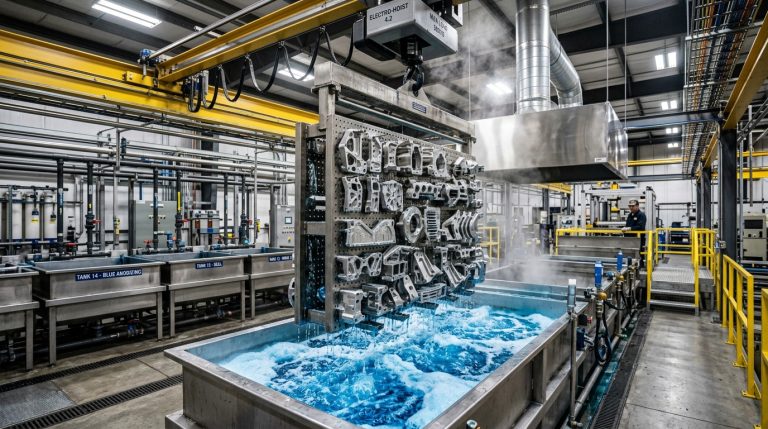
- Silver Electroplating (Ag): The gold standard for bolted busbar connection pads. A pure silver deposit of 5 to 15 µm over a copper-nickel strike provides ultra-low contact resistance, prevents interfacial copper oxidation, and withstands continuous operating temperatures exceeding 105°C.
- Matte & Bright Tin Plating (Sn): Applied with a thickness of 8 to 12 µm, tin plating prevents oxidation in sulfurous and industrial atmospheric environments, providing cost-effective corrosion protection and compatibility with aluminum-to-copper transitional joints.
- Nickel Plating (Ni): Provides a hard, wear-resistant barrier layer on sliding tap-changer contacts and disconnect switches where mechanical rubbing occurs.
Quality Assurance & Metrology Validation
Every electrical transformer component machined in our facility is subjected to rigorous quality control:
- Micro-Ohm Contact Resistance Testing: Verifying joint conductivity and surface coplanarity using four-wire Kelvin bridge digital micro-ohmmeters.
- High-Voltage Dielectric Breakdown Testing: Validating insulation integrity across G10/FR4 terminal blocks under high-potential (Hi-Pot) AC/DC voltages.
- Full CMM Coordinate Inspection (Upon Request): Confirming bolt-hole pitch, slot true positions, and multi-axis step depths against native 3D CAD models.
Oxygen-Free High Conductivity (OFHC) copper (C10100/C10200) contains virtually zero oxygen (<0.001%), completely preventing hydrogen embrittlement when components undergo high-temperature brazing or welding during coil lead assembly. ETP copper (C11000) contains trace cuprous oxide, which can cause micro-cracking if brazed in a reducing hydrogen atmosphere.
Copper burrs present severe electrical arcing hazards. We prevent burrs by deploying polished DLC-coated micro-grain carbide end mills with high rake angles, taking light finish-passes under high-pressure flood coolant, and running secondary CNC chamfering routines on all hole entries and exits.
Yes. Utilizing specialized PCD-tipped diamond-cut routers operating at 20,000+ RPM with climb-milling toolpaths and dedicated dust extraction systems, we produce clean, edge-sealed dielectric insulation blocks with zero fiberglass fraying or internal delamination.
Precision Machining for High-Voltage Transformers & Switchgear
Whether you require custom silver-plated copper busbars, dielectric G10 insulation blocks, or heavy non-magnetic core clamping frames, AS Prototypes delivers precision CNC milling, tight geometric tolerances, and rapid turnarounds to support your electrical equipment projects.