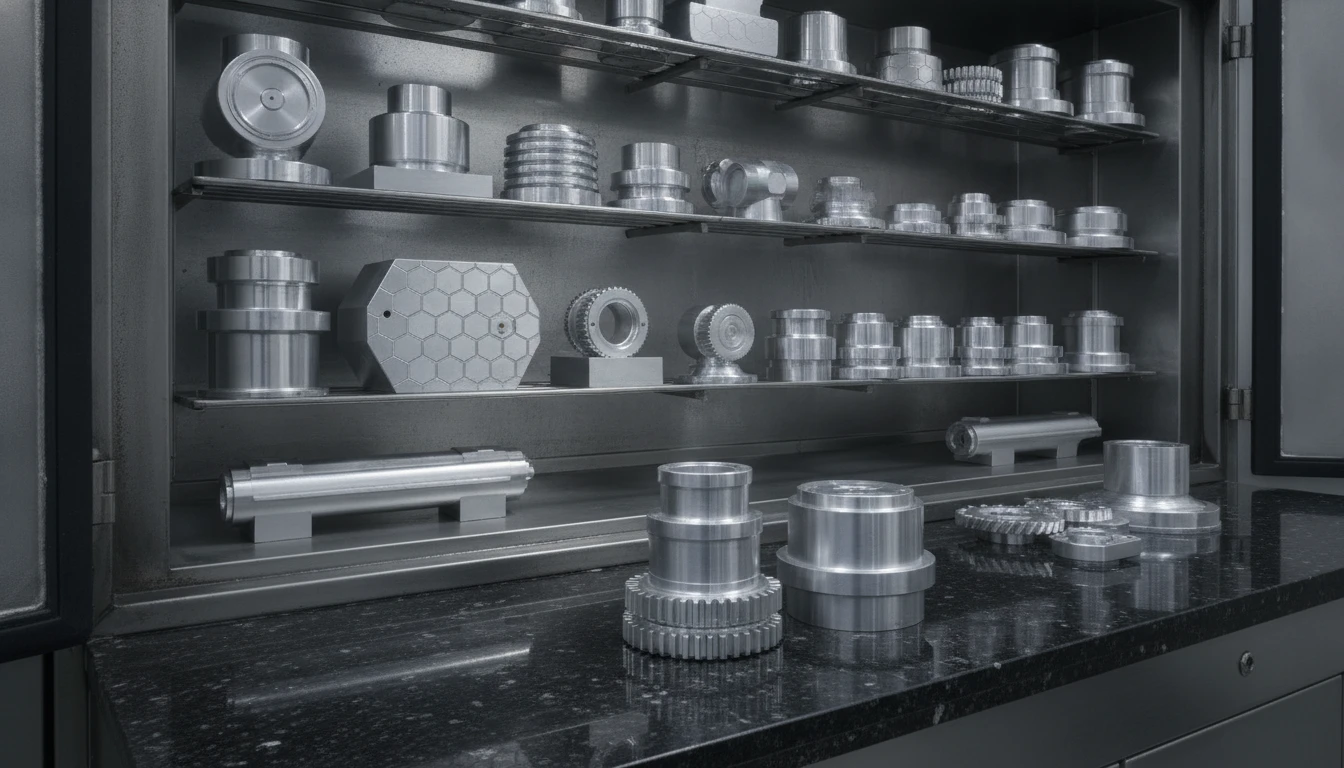
For nearly a century, the automotive industry relied on chemical electroplating to achieve bright, specular chrome trim on grilles, door handles, logos, and headlamp surrounds. However, conventional chrome electroplating carries an enormous environmental and regulatory liability: it depends on hexavalent chromium (Cr6+), an aggressive carcinogen and toxic pollutant now facing severe restrictions and phased bans under European Union REACH directives and global environmental regulations. Simultaneously, the rapid transition toward Electric Vehicles (EVs) and Advanced Driver Assistance Systems (ADAS) has made heavy metal castings and radar-blocking metallic electroplates obsolete.
Enter PVD Vacuum Metallization. PVD metallization is a 100% dry, eco-friendly vacuum deposition technology that condenses a nanometer-scale film of pure aluminum (Al 99.99%) directly onto lightweight engineering polymers. Delivering 88% to 92% specular reflectivity, authentic cool-to-the-touch metallic aesthetics, and zero toxic effluent, PVD aluminum metallization has become the gold standard for automotive forward lighting, lightweight decorative trim, and radar-permeable smart emblems.
In this comprehensive technical guide, AS Prototypes deconstructs the multi-layer physics, substrate preparation mechanics, optical benefits, and EV lightweighting advantages of PVD vacuum metallization for prototype and low-volume production.
The 3-Layer Architecture of PVD Metallization on Polymers
Plastics cannot simply be placed into a vacuum chamber and coated with raw aluminum; polymers inherently possess surface micro-roughness, mold-release residues, and volatile plasticizers that outgas under deep vacuum. Achieving automotive-grade optical adhesion requires a precision 3-layer stack:
- Layer 1: UV-Curable Basecoat (Organic Leveling Primer): A specialized high-solid UV-cured acrylic or polyurethane resin sprayed onto the cleaned polymer substrate (typically 15 to 25 μm thick). This layer performs two vital functions: it flows into microscopic tooling marks to create an atomically smooth, glass-like surface (Ra ≤ 0.02 μm), and it forms an impermeable hermetic barrier that locks in plasticizer outgassing that would otherwise contaminate the high-vacuum plasma.
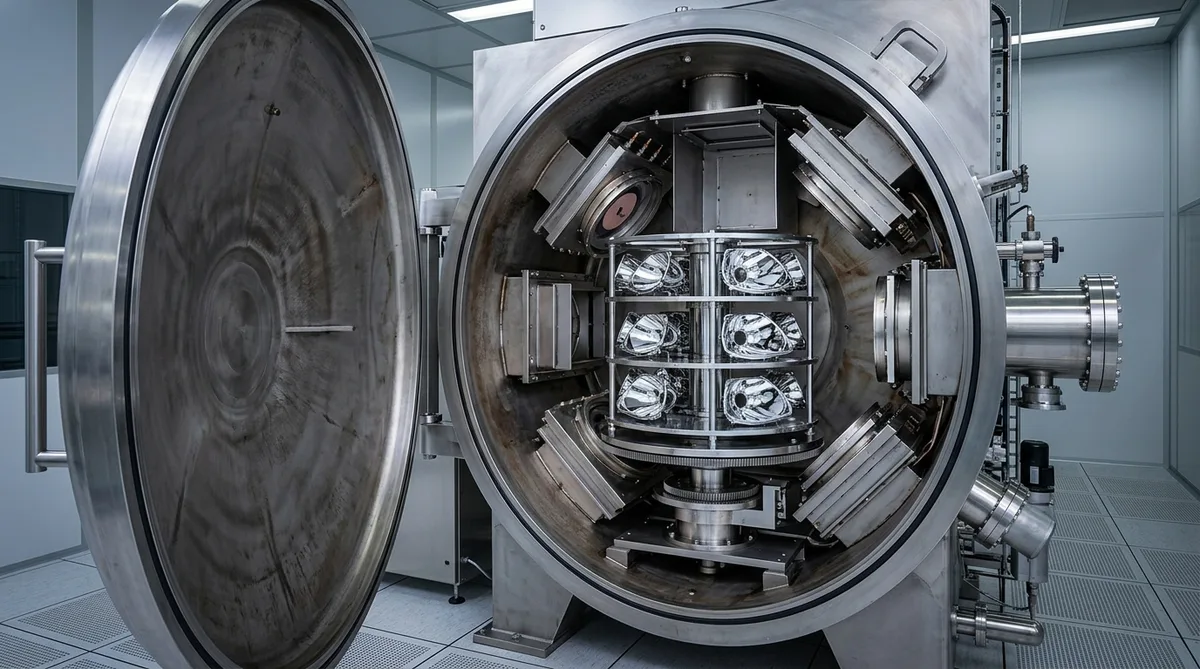
- Layer 2: PVD Pure Aluminum Film (Physical Vapor Deposition): Inside a high-vacuum chamber evacuated to 10-4 to 10-5 mbar, high-purity aluminum wire is vaporized via thermal tungsten evaporation (industry standard for enclosed, high-efficiency headlamp reflectors) or deposited via high-energy magnetron sputtering cathodes (essential for exterior trims and high-adhesion sensor housings). The vaporized aluminum atoms travel in line-of-sight trajectories, condensing into a dense, continuous metallic crystal lattice between 80 and 150 nanometers (0.08 to 0.15 μm) thick. This provides brilliant optical mirror reflectivity.
- Layer 3: Protective Topcoat (Hardcoat / Plasma Polymerization): Pure deposited aluminum is soft and reacts with atmospheric moisture to form dull aluminum oxide. A clear protective topcoat (either a UV-curable siloxane hardcoat or an in-situ plasma-polymerized silane monomer layer, 5 to 15 μm thick) is applied to provide chemical resistance against road salt, car wash detergents, bird droppings, UV solar degradation, and scratch abrasion.
Key Automotive Applications for PVD Vacuum Metallization
1. Headlamp, Fog Lamp & DRL Optical Reflectors
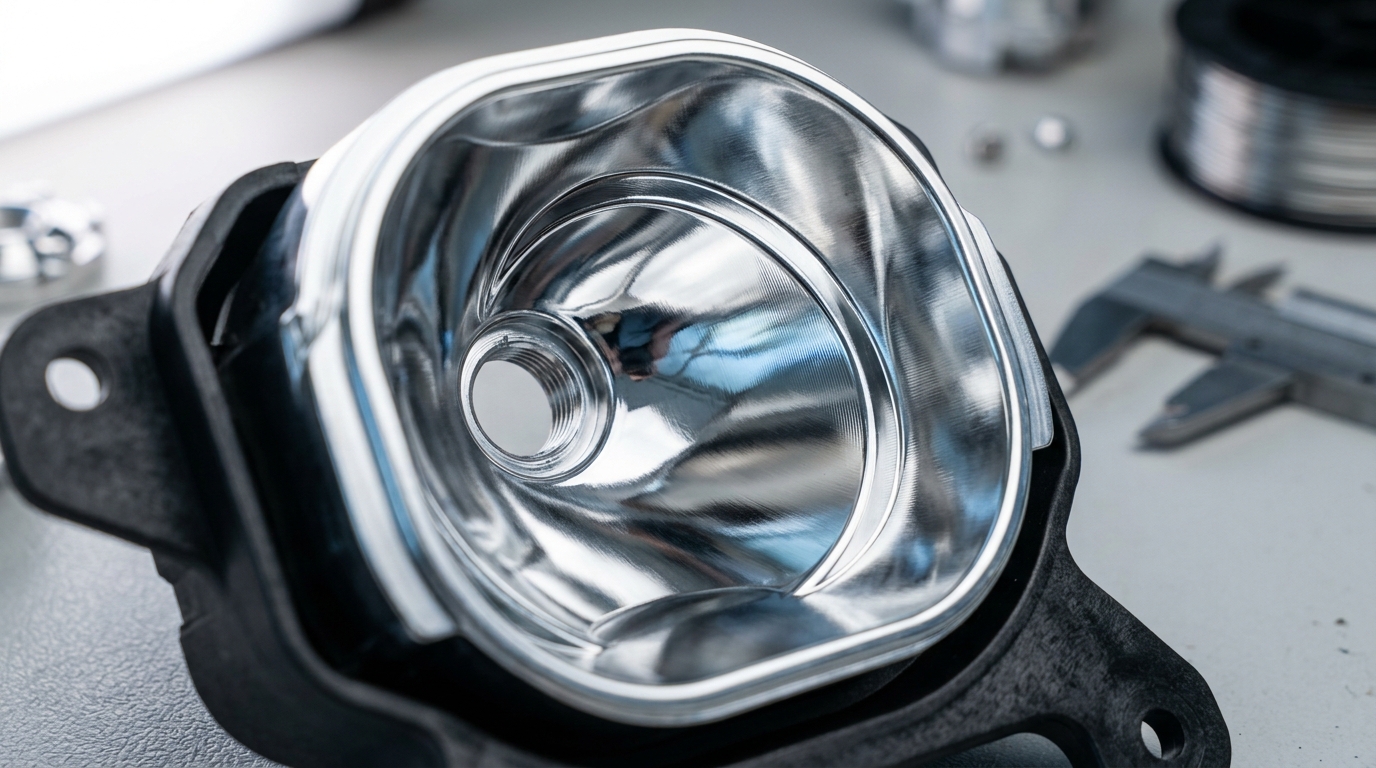
In automotive forward lighting, optical efficiency directly governs beam throw distance, cutoff sharpness, and driver safety. PVD aluminum vacuum metallization delivers > 90% specular reflectivity across the entire visible light spectrum (400 to 700 nm) and into the near-infrared. Molded or CNC-machined in high-temperature polymers like PEI (Ultem), Polycarbonate (PC), or PC/ABS, PVD metallized parabolic reflector bowls withstand continuous operating temperatures from 130°C to 180°C without bubbling, blistering, or outgassing haze onto outer headlamp lenses.
2. ADAS Radar-Transparent & LiDAR-Permeable Smart Emblems
Modern vehicles house forward-facing 77 GHz millimeter-wave radar sensors directly behind the front vehicle badge or radiator grille to power Adaptive Cruise Control (ACC) and Automated Emergency Braking (AEB). Traditional chrome electroplating deposits 20 to 40 μm of solid nickel and chromium metal, forming a conductive Faraday cage that completely attenuates radar frequencies.
In automotive ADAS radar emblems (radomes), pure aluminum cannot be used because its high electrical conductivity (3.77×10⁷ S/m) creates a continuous conductive shield that blocks 77 GHz radar waves. Instead, PVD vacuum metallization utilizes magnetron sputtering of pure indium (In) or tin (Sn). Due to high surface tension, indium nucleates in the Volmer-Weber discontinuous nano-island growth mode. These electrically isolated metallic islands reflect visible light to create a brilliant chrome mirror finish (optical density ≥ 2.0), while maintaining ultra-high sheet resistance (> 10⁸ Ω/sq) to electromagnetic waves—achieving radar insertion loss below 0.5 dB at 77 GHz without ghosting or signal attenuation.
3. Head-Up Display (HUD) Optical Fold Mirrors
Automotive HUD systems project navigation data onto the windshield using internal folding mirrors. These mirrors require zero distortion and high reflectance. CNC machined in rapid-prototyped aluminum or cast PC, PVD aluminum coating combined with enhanced dielectric multilayer topcoats delivers pristine wavefront fidelity (λ/4) without the heavy weight of glass prisms.
4. Lightweight Interior & Exterior Decorative Trim
From door handle escutcheons, air vent rings, and speaker grilles to roof rack trims and shift lever surrounds, PVD vacuum metallization can produce a wide palette of visual finishes—including Bright Mirror Chrome, Satin Nickel, Matte Brushed Titanium, Champagne Gold, and Piano Black Chrome—by introducing reactive gases (such as nitrogen or oxygen) during sputtering or tinting the protective topcoat.
Engineering Lightweighting: Replacing Cast Metals with PVD Polymers
In electric vehicle architecture, every kilogram eliminated from the chassis extends battery range and lowers center-of-gravity inertia. PVD aluminum metallization empowers automotive engineers to replace dense, energy-intensive die-cast zinc, cast aluminum, and stamped brass with injection-molded or CNC-machined engineering thermoplastics:
- Density Comparison: Die-cast zinc (Zamak) has a density of 6.7 to 7.1 g/cm³; cast aluminum is 2.7 g/cm³. In contrast, PC/ABS blends have a density of 1.15 to 1.20 g/cm³, and unreinforced polycarbonate is 1.20 g/cm³.
- Weight Reduction Impact: Swapping a die-cast zinc grille ornament or headlamp bezel for a PVD-metallized PC/ABS component slashes component weight by 80% to 83%.
- Tooling & Manufacturing Freedom: Complex organic undercuts, thin-walled snap-fit latches, and integrated screw bosses that are impossible or expensive to cast in metal are easily produced in injection molded polymers or 5-axis CNC machined prototypes.
Substrate Material Compatibility & Preparation Rules
| Substrate Material | Heat Deflection Temp (HDT) | PVD Metallization Suitability | Automotive Application Focus |
|---|---|---|---|
| PC/ABS Blends (Bayblend / Cycoloy) | 110°C to 135°C | Outstanding (Industry Standard); low shrinkage, high impact toughness | Headlamp bezels, interior trim rings, radiator grille louvers, radar badges |
| Polycarbonate (PC – Makrolon) | 130°C to 145°C | Excellent; optical clarity, dimensional stability; requires stress relief | Fog lamp reflectors, daytime running light (DRL) optics, HUD fold mirrors |
| Polyetherimide (PEI – Ultem 1000) | 200°C to 215°C | Exceptional for High-Heat; allows direct metallization without basecoat | Direct-bulb halogen/HID headlamp reflector bowls, turbocharger sensor housings |
| Polybutylene Terephthalate (PBT) | 150°C to 200°C (GF) | Good; high chemical resistance; requires basecoat to hide glass fibers | Under-hood sensor brackets, headlight aim adjuster brackets |
| SLA Photopolymers (Clear Resin) | 50°C to 75°C | Excellent for Rapid Prototyping; requires complete post-cure & degassing | Early styling concept models, automotive auto-show display prototypes |
Engineering Comparison: PVD Aluminum vs. Traditional Finishes
| Evaluation Criteria | Traditional Chrome Electroplating | Silvering / Wet Spray Plating | PVD Aluminum Vacuum Metallization (AS Prototypes) |
|---|---|---|---|
| Environmental & Safety | Severe hazard (Toxic Cr6+, heavy metals, VOC effluent) | Moderate (High VOC emissions, chemical waste) | 100% Eco-Friendly & REACH Compliant (Zero toxic effluent) |
| Optical Reflectivity | 60% to 65% (Bluish metallic hue) | 70% to 80% (Prone to yellowing/oxidation) | 88% to 92% (Pure white specular mirror reflection) |
| Radar (77 GHz) Permeability | 0% (Completely blocks electromagnetic waves) | Poor / Unpredictable wave dispersion | High (< 0.5 dB loss, engineered for ADAS radar emblems) |
| Coating Thickness | 25 to 45 μm (Changes part dimensions) | 30 to 60 μm (Orange peel risk) | 80 to 150 nm (Maintains critical CAD clearances) |
| Component Weight Impact | Adds measurable weight in copper/nickel layers | Moderate weight addition | Negligible (Micrograms of aluminum deposited) |
AS Prototypes Automotive Prototyping & PVD Metallization Capabilities
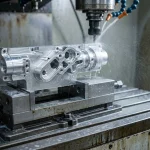
Executing high-quality PVD aluminum metallization requires tight integration between precision machining and cleanroom coating processes. At AS Prototypes, we offer complete end-to-end manufacturing:
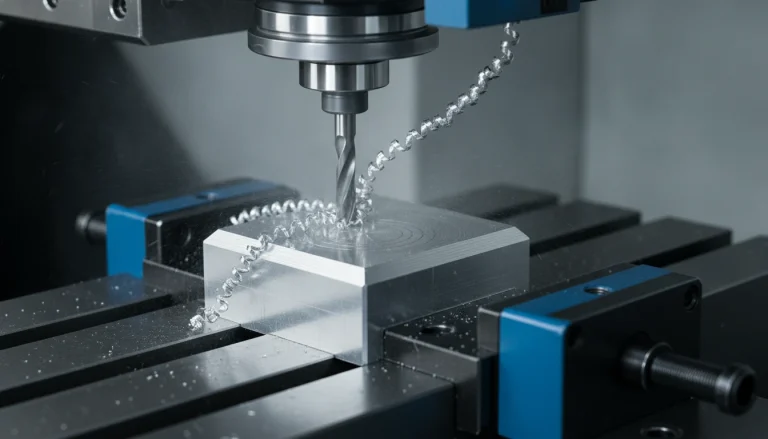
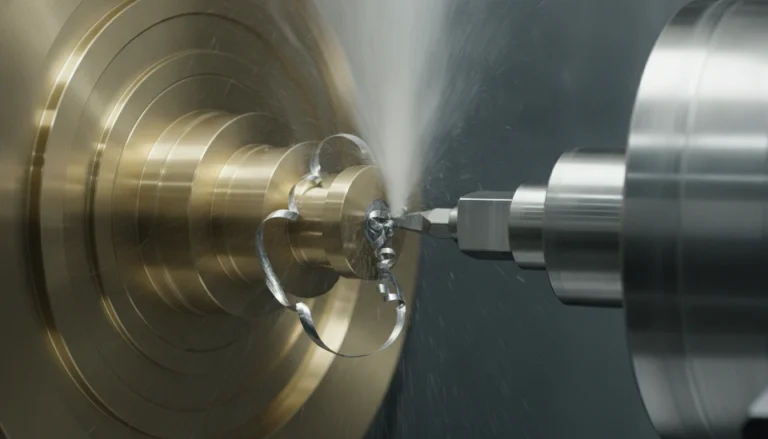
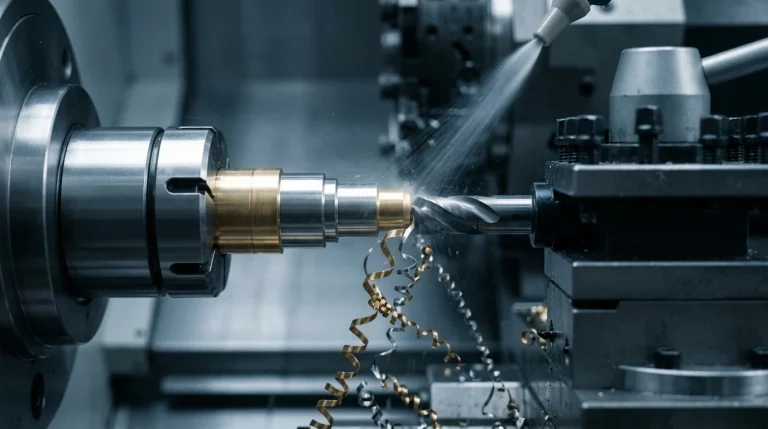
- Precision Substrate Fabrication: Simultaneous 5-axis CNC machining, silicone vacuum casting, and rapid injection tooling in production-grade PC/ABS, PEI (Ultem), and optical PC.
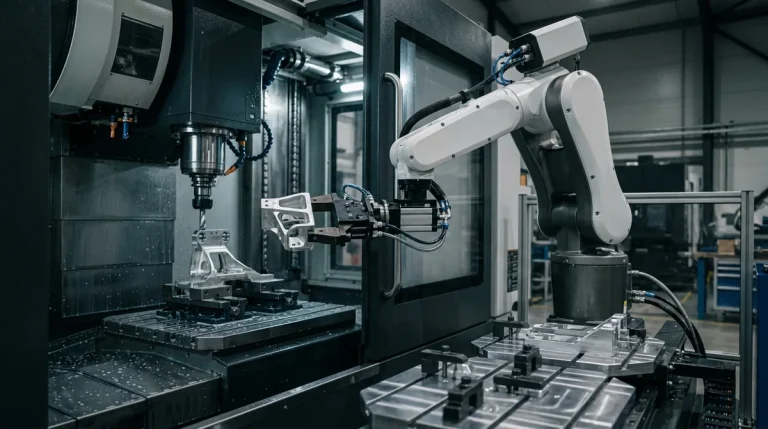
- Robotic Basecoat Application: Automated 6-axis cleanroom spray painting ensuring uniform basecoat flow without runs, sags, or orange peel haze.
- Custom CNC Masking Fixtures: Designing and fabricating form-fit masking jigs to protect snap-latch hooks, ultrasonic weld joints, and electrical contacts from line-of-sight aluminum deposition.
- Rigorous Automotive Quality Testing: Cross-hatch adhesion testing (ASTM D3359 Class 5B), 240-hour neutral salt spray corrosion testing (ASTM B117), thermal cycle resistance (-40°C to +125°C), and spectrophotometer specular reflectance validation and inspection reporting.
Aluminum forms a continuous electrically conductive film even at 15 to 20 nanometer thicknesses, creating a Faraday shield that attenuates 77 GHz radar signals. Automotive radar emblems instead use sputtered indium or tin, which forms isolated discontinuous nano-islands that remain non-conductive.
Molded plastic substrates receive a high-solids UV-curable basecoat to level microscopic injection molding textures, followed by thermal infrared outgassing (60°C to 80°C) in cleanroom environments to eliminate volatile monomers that would undermine PVD adhesion.
PVD is a 100% dry, eco-friendly physical process that generates zero toxic hexavalent chromium (Cr6+) rinse effluents or heavy metal sludge, meeting strict global REACH and RoHS environmental directives.
Elevate Your Automotive Prototypes with PVD Metallization
Whether developing high-efficiency LED headlamp reflectors, lightweight luxury chrome trim, or radar-transparent ADAS sensor emblems, AS Prototypes provides the advanced manufacturing and PVD vacuum coating expertise your program requires.
Our multidisciplinary team conducts comprehensive DFM reviews—evaluating substrate outgassing, parting lines, masking zones, and thermal performance before fabrication begins.
Submit Your 3D CAD Files for Instant PVD Metallization DFM & Quotation →