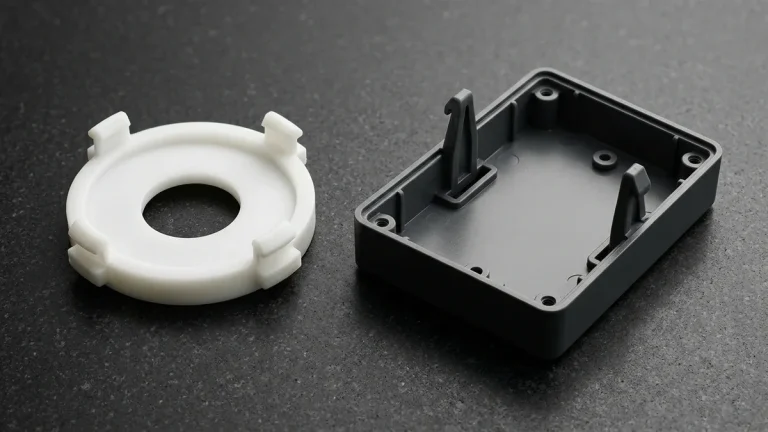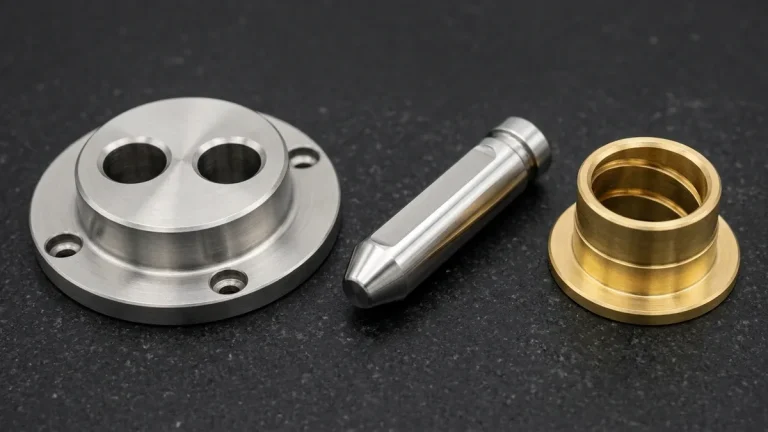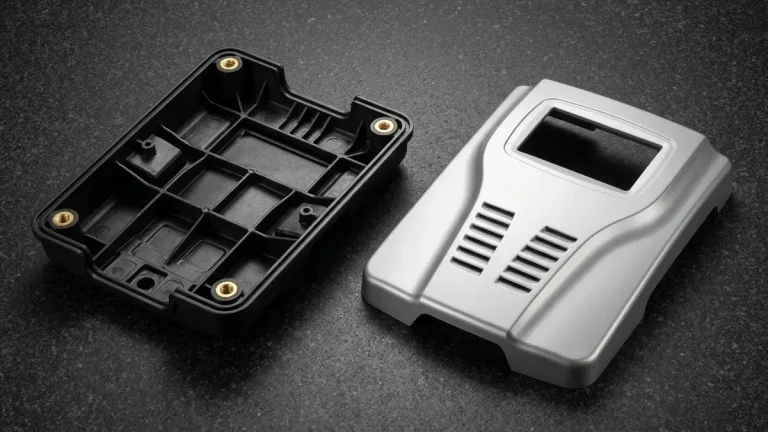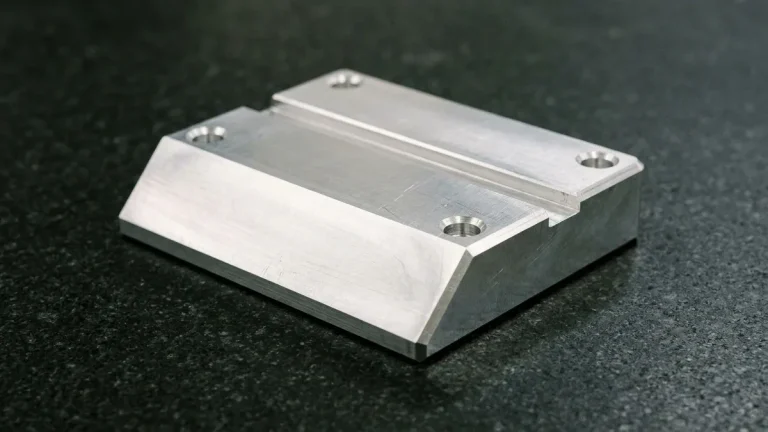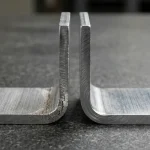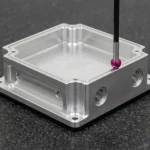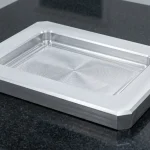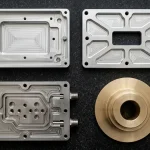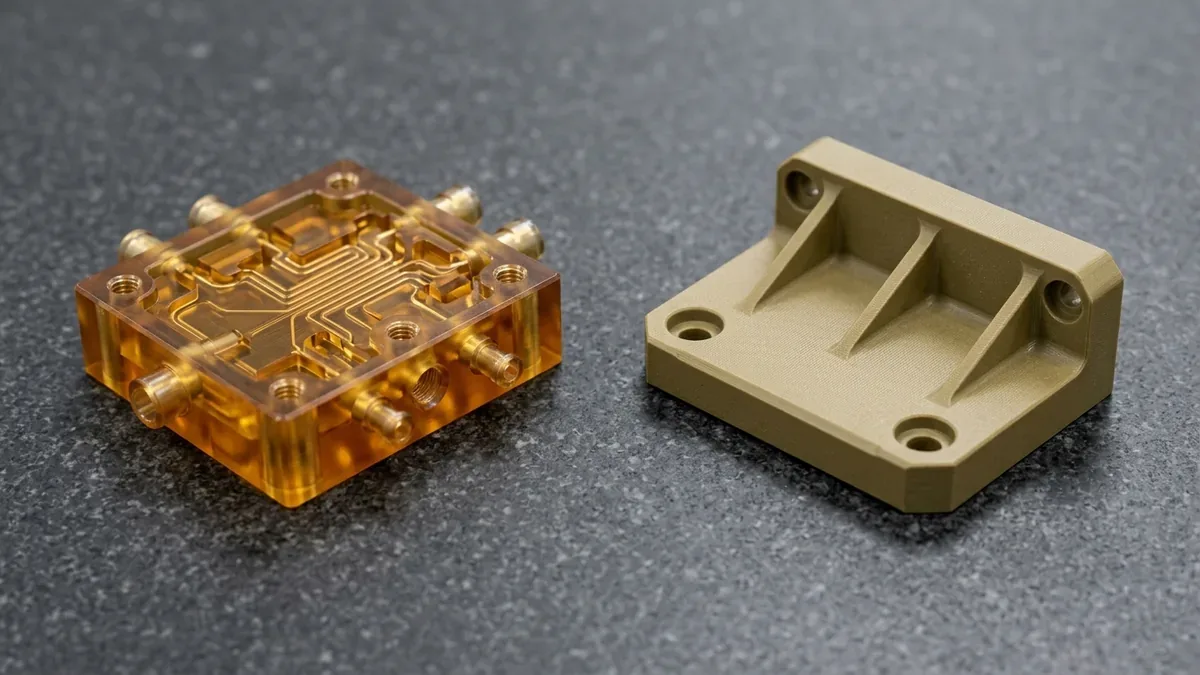
In extreme engineering sectors—including aerospace avionics, semiconductor test fixtures, medical surgical devices, and high-frequency microwave communications—designers face an unforgiving trade-off: traditional structural metals like 6061-T6 aluminum and 303 stainless steel provide high rigidity and thermal resilience, but impose severe weight penalties and conduct unwanted electrical currents. Conversely, standard commodity plastics melt, creep under mechanical load, or degrade under harsh chemical sterilization cycles. In precision manufacturing, mastering cnc machining ultem ensures repeatable dimensional stability and predictable production scaling.
Ultem™ (Polyetherimide, PEI) resolves this critical engineering dilemma. As an amorphous, amber-translucent high-performance thermoplastic developed by SABIC, Ultem merges metallic structural strength, exceptional dielectric insulation, continuous thermal stability up to 170°C–200°C, and inherent UL94 V-0 flame retardance.
However, CNC machining Ultem presents severe tribological and rheological challenges: extreme notch sensitivity, rapid diamond tool wear on glass-filled grades, high residual stress susceptibility, and catastrophic environmental stress cracking (ESC) when exposed to improper hydrocarbon coolants. Achieving repeatable tolerances down to ±0.015 mm requires strict adhesion to specialized polymer machining physics and multi-stage thermal annealing protocols.
- 1. Core Engineering Properties of Polyetherimide (Ultem / PEI)
- 2. Ultem 1000 vs. Ultem 2300: Grade Selection for Precision CNC Machining
- 3. Engineering Protocols: How AS Prototypes Solves Ultem CNC Challenges
- 4. Engineering Material Matrix: Ultem 1000 vs. 2300 vs. PEEK vs. Aluminum
- 5. Case Study: 5-Axis CNC Machining of an Aerospace Ultem 2300 Avionics Connector
- 6. Conclusion: Choosing the Right Manufacturing Partner for Ultem PEI
- 7. Technical Engineering FAQ
1. Core Engineering Properties of Polyetherimide (Ultem / PEI)
Polyetherimide’s unique macromolecular backbone alternates aromatic ether and rigid imide planar linkages, imparting five distinct engineering advantages:
1. High Continuous Operating Temperature & Thermal Stability
Ultem boasts a glass transition temperature (Tg) of 217°C and a Heat Deflection Temperature (HDT) under 1.8 MPa load reaching 200°C–210°C. Unlike crystalline polymers that soften abruptly near their melting point, Ultem maintains high modulus and creep resistance across a wide thermal spectrum (-40°C to +180°C), ensuring precision structural parts do not lose dowel pin alignment under sustained thermal cycling.
2. Metal-Like Mechanical Rigidity & Creep Resistance
With an unfilled tensile strength exceeding 105 MPa and flexural modulus of 3.3 GPa—which jumps to an astonishing 9.5 GPa in 30% glass-filled Ultem 2300—Ultem delivers strength-to-weight ratios that surpass aircraft-grade aluminum alloys. It exhibits near-zero viscoelastic creep under sustained mechanical loads, making it the premier polymer for high-load electrical contact housings and precision bearing retainers.
3. Inherent Flame Retardance & Low Smoke Generation (FAR 25.853)
Ultem is naturally flame retardant without requiring brominated or halogenated chemical additives, achieving a verified UL94 V-0 rating at 0.4 mm thickness and UL94 5VA at 1.6 mm. It features an exceptionally high Limiting Oxygen Index (LOI) of 47% and conforms strictly to FAA FAR 25.853 and OSU 65/65 heat release and toxic smoke emission standards for commercial aircraft cabin interiors.
4. Superior Dielectric Strength & Microwave Transparency
Ultem exhibits stable, low dielectric constants (ε ≈ 3.15) and dissipation factors (tan δ ≈ 0.0013) across a vast frequency envelope from 1 kHz to 10 GHz. It resists high-voltage electrical arc tracking and dielectric breakdown (> 30 kV/mm), establishing it as the gold standard for high-voltage aerospace circuit breakers, radar radomes, and microwave antenna manifolds.
5. Chemical Resistance & Broad Sterilization Compatibility
Ultem withstands mineral acids, aliphatic hydrocarbons, alcohols, and fully synthetic automotive fluids. In medical and bio-diagnostic applications, Ultem conforms to USP Class VI and ISO 10993 biocompatibility requirements, enduring hundreds of repeated steam autoclave sterilization cycles (134°C), ethylene oxide (EtO) gas, and gamma radiation without optical crazing or mechanical embrittlement.
2. Ultem 1000 vs. Ultem 2300: Grade Selection for Precision CNC Machining
Selecting the optimal Ultem grade depends directly on structural rigidity requirements, optical needs, and tooling dynamics:
Ultem 1000 (Unfilled PEI): Optical Clarity & Biomedical Applications
Ultem 1000 is the standard, unreinforced grade. It features an attractive amber translucent appearance that allows visual inspection of internal fluid channels, vacuum passages, and dowel pin seating. With balanced ductility (60% elongation at break) and high impact strength, it is widely machined into microfluidic diagnostic blocks, analytical centrifuge bowls, and autoclave-sterilizable surgical instrumentation handles.
Ultem 2300 (30% Glass-Fiber Reinforced): Aerospace Structural Performance
Reinforced with 30% electrical-grade chopped glass fibers, Ultem 2300 provides dramatic structural enhancements: tensile modulus jumps by nearly 200%, and the Coefficient of Thermal Expansion (CTE) drops from 56 × 10-6/K down to 20 × 10-6/K—closely matching aluminum alloys.
It is the premier choice for aerospace avionics brackets, radar chassis, and structural drone housings that require absolute dimensional stability under severe vibration. However, the abrasive glass fibers mandate diamond-coated or polycrystalline diamond (PCD) cutting tools to avoid rapid edge blunting.
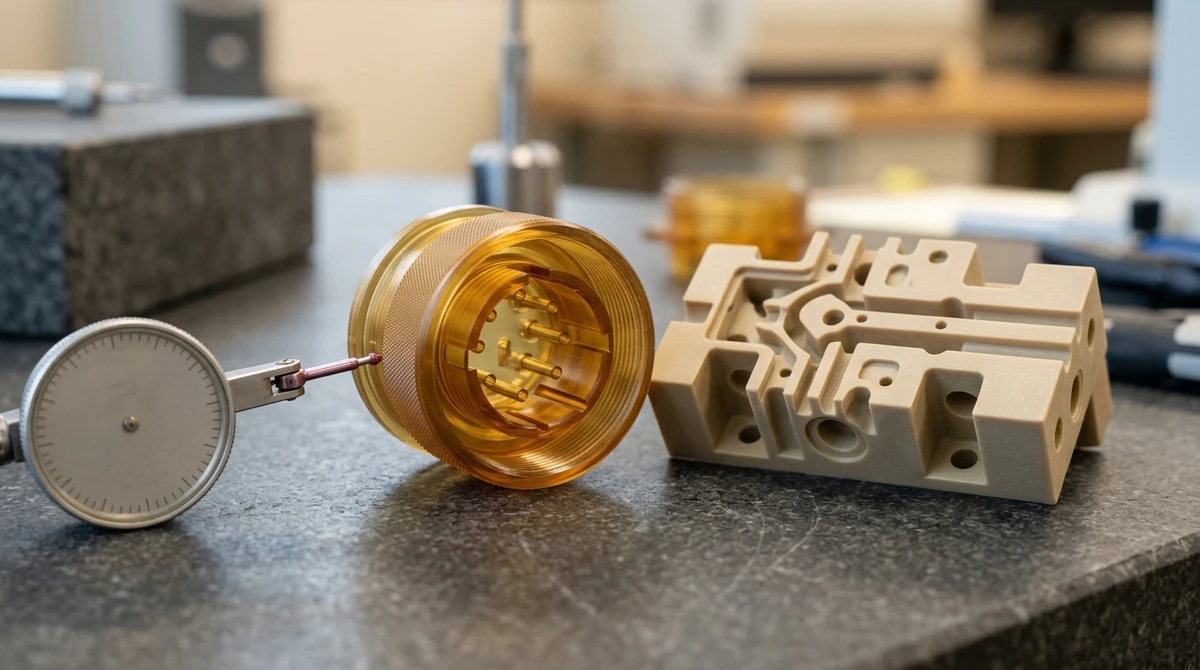
3. Engineering Protocols: How AS Prototypes Solves Ultem CNC Challenges
Because Ultem is an amorphous thermoplastic, cutting mechanics differ radically from semi-crystalline polymers like POM or PEEK. At AS Prototypes, our technical team enforces four critical process controls:
1. Multi-Stage Thermal Annealing Cycles (150°C–205°C)
Extruded Ultem stock contains substantial frozen-in orientation stresses. If machined directly, these residual stresses trigger notch-induced micro-cracks or delayed part warping. AS Prototypes executes a three-phase annealing protocol in programmable convection ovens:
- Pre-Machining Anneal: Ramp up at 10°C/hour to 150°C, soak for 1 hour, ramp to 200°C–205°C (10°C below Tg), dwell for 30 minutes per 6 mm of cross-sectional thickness, followed by ultra-slow furnace cooling (< 8°C/hour) to room temperature.
- Intermediate Stress Relief: For components with wall thicknesses < 1.5 mm or critical bores, parts are roughed leaving +0.8 mm stock and subjected to an intermediate 150°C dwell before final finishing passes.
2. Elimination of Environmental Stress Cracking (Coolant Protocol)
Polyetherimide is highly vulnerable to Environmental Stress Cracking (ESC) when exposed to aromatic hydrocarbons, chlorinated solvents, or petroleum-based cutting oils. Under cutting pressure, these oils penetrate the polymer matrix and cause catastrophic micro-crazing within hours. AS Prototypes strictly prohibits petroleum cutting oils on Ultem. We deploy either clean vortex-tube chilled compressed air (-10°C) or dedicated, deionized water-soluble synthetic micro-mist coolants formulated specifically for optical polymers.
3. Polycrystalline Diamond (PCD) & DLC Tooling Geometry
For Ultem 1000, we utilize mirror-polished solid micrograin carbide end mills with positive rake angles (5°–10°) and razor-sharp cutting edges to shear rather than rub the plastic. For glass-filled Ultem 2300, carbide cutters dull within 15 minutes; we deploy Polycrystalline Diamond (PCD) or Diamond-Like Carbon (DLC) coated tooling featuring low-helix flutes (20°–25°) that cleanly slice glass filaments without pulling fibers from the resin matrix.
4. Controlled Feeds, Speeds & Low-Clamping Fixturing
To prevent local frictional heat buildup from approaching the 217°C glass transition zone, we maintain high surface speeds (Vc = 150–300 m/min) paired with robust chip loads (fz = 0.05–0.15 mm/tooth) that carry cutting heat out with the chip. Workpieces are clamped inside custom contoured aluminum soft jaws torqued with digital wrenches to < 6 N · m, or secured via vacuum chucks to prevent clamping deformation.
4. Engineering Material Matrix: Ultem 1000 vs. 2300 vs. PEEK vs. Aluminum
The comparative matrix below details the mechanical, thermal, and electrical performance of Ultem grades relative to high-performance PEEK and aerospace aluminum 6061-T6:
| Property Parameter | Ultem 1000 (Unfilled PEI) | Ultem 2300 (30% Glass PEI) | PEEK 450G (Polyetheretherketone) | Aluminum 6061-T6 (Reference) |
|---|---|---|---|---|
| Specific Gravity (Density) | 1.27 g/cm3 | 1.51 g/cm3 | 1.32 g/cm3 | 2.70 g/cm3 |
| Tensile Strength (Yield) | 105 MPa | 165 MPa | 100 MPa | 276 MPa |
| Flexural Modulus | 3.30 GPa | 9.50 GPa | 4.10 GPa | 68.9 GPa |
| Heat Deflection Temp (1.8 MPa) | 200°C | 210°C | 152°C (Unfilled) | 200°C+ (Solidus 582°C) |
| Thermal Expansion CTE (10⁻⁶/K) | 56 | 20 | 47 | 23 |
| Dielectric Strength | 33 kV/mm | 28 kV/mm | 23 kV/mm | Conductive (0 kV/mm) |
| Flammability Standard | UL94 V-0 (0.4 mm) | UL94 V-0 (0.4 mm) | UL94 V-0 (1.5 mm) | Non-combustible |
| Recommended CNC Tooling | Polished Solid Carbide (Single Flute) | PCD Diamond / DLC Coated Carbide | Micrograin Carbide / TiAlN | Standard Uncoated 3-Flute Carbide |
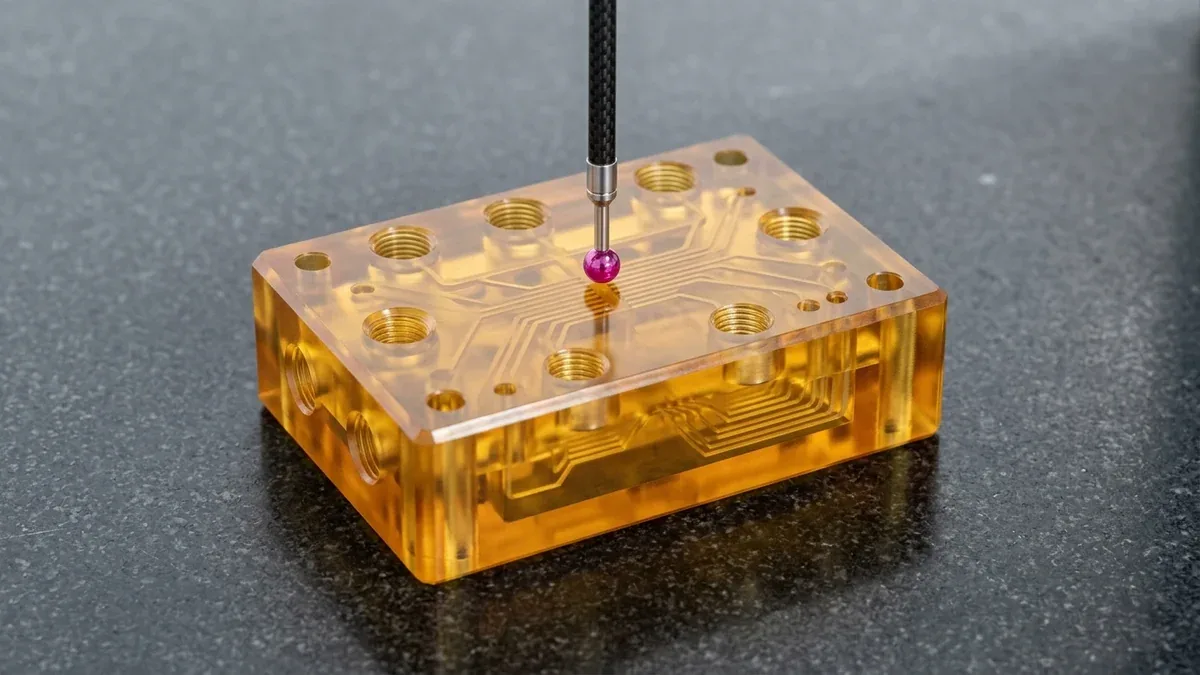
5. Case Study: 5-Axis CNC Machining of an Aerospace Ultem 2300 Avionics Connector
To illustrate the practical execution of high-tolerance PEI machining, examine an aerospace mission-critical avionics bracket manufactured by AS Prototypes:
Project Requirements & Challenges
- Material: SABIC Ultem 2300 (30% glass-fiber reinforced PEI).
- Dimensions & Features: 94 mm × 78 mm × 46 mm, featuring a deep rectangular connector socket, 24 precision pin through-holes (Ø 1.20 mm ± 0.010 mm), thin perimeter sealing walls (1.20 mm), and an overall planar flatness tolerance of 0.020 mm.
- Machining Hurdles: Initial prototype attempts by the client’s domestic shop suffered high tool wear (carbide drills burned out after 4 holes), glass fiber breakout on hole exits, and severe localized cracking around tapped inserts due to residual stress.
AS Prototypes Engineering Solutions
- Controlled Annealing Schedule: Raw billets underwent full thermal stress-relief annealing at 205°C for 4 hours with slow 6°C/hr furnace cooling prior to roughing. An intermediate 2-hour stress-relief bake at 150°C was conducted after roughing out the internal cavity.
- PCD Micro-Tooling: Pin bores were machined using high-precision PCD diamond-tipped micro-drills operating at 18,000 RPM with pecking cycles and pressurized vortex cold air blast (-8°C), completely eliminating tool friction and glass fiber fraying.
- 3+2-Axis Positional Machining in a Single Setup: Utilizing multi-axis indexed positioning allowed us to machine all 5 exposed faces in a single clamping setup, utilizing custom nylon soft jaws with torque limited to 4.5 N · m.
- Post-Machining Surface Finishing: Parts were vapor degreased with non-reactive deionized wash and finished with a fine 180-mesh glass-bead blast, imparting a uniform matte aesthetic and removing microscopic tool marks without altering tight bore dimensions.
Inspection & Qualification Results
In our climate-controlled metrology inspection lab (20°C ± 1°C), critical pin hole diameters and true positions were verified using our 2.5D Optical Vision Measuring System (VMS) and calibrated Go/No-Go pin gauges, while datum flatness was verified on our Zeiss Bridge CMM. The critical pin hole diameters achieved Ø 1.20 mm ± 0.010 mm across all 24 positions, planar flatness was verified within 0.012 mm (well within the 0.020 mm requirement), and zero environmental stress cracking was observed after thermal shock testing.
6. Conclusion: Choosing the Right Manufacturing Partner for Ultem PEI
Ultem is an extraordinary polymer capable of replacing structural metal alloys in demanding aerospace, electronic, and healthcare applications while delivering substantial weight savings and complete electrical insulation. However, because polyetherimide is unforgiving of improper cutting parameters, inappropriate coolants, or missing thermal annealing cycles, partnering with an experienced high-performance plastics machining specialist is essential to project success.
At AS Prototypes, we maintain high-speed 3/4/5-axis machining infrastructure, dedicated PCD tooling inventories, computer-controlled polymer annealing ovens, and calibrated Zeiss bridge CMM and 2.5D optical metrology laboratories to ensure your Ultem components meet uncompromising quality standards on time and within budget.
7. Technical Engineering FAQ
Ultem is an amorphous high-performance thermoplastic prone to notch sensitivity and stress cracking. It requires sharp, polished carbide or PCD tooling, low clamping pressure, and strictly water-soluble or air blast cooling.
Mineral oils, chlorinated solvents, and standard machine lubricants induce immediate Environmental Stress Cracking (ESC) in Ultem, causing microscopic fractures and catastrophic part failure.
Ultem exhibits a continuous operating temperature of 170°C, heat deflection temperature of 200°C, inherent UL94 V-0 flame retardance, and outstanding dielectric strength, making it ideal for avionics manifolds.
Partner with Our Precision CNC Machining & Engineering Team
Eliminate tool deflection, residual stress distortion, and tolerance stack-up risks before production begins. Upload your 3D CAD files (STEP/IGES) and 2D GD&T drawings for a comprehensive shop-floor DFM review and custom quotation.
Upload 3D CAD for Engineering DFM & RFQ