A century ago, Henry Ford revolutionized global industry with the moving assembly line, famously declaring that customers could have a car painted any color they wanted, so long as it was black. That era of rigid, monolithic mass production was predicated on amortizing expensive dedicated tooling across hundreds of thousands of identical units. But in today’s fast-moving industrial landscape, the classical Fordist paradigm is in rapid retreat. The modern consumer market, medical technology, robotics, and advanced aerospace demand individuality, extreme performance specialization, and relentless product iteration.
Hardware developers and engineering leaders no longer have the luxury of 18-month design cycles. Consumer electronics are refreshed annually, autonomous robotic platforms evolve on agile quarterly sprints, and patient-specific surgical devices require unit-of-one custom fabrication. Attempting to navigate this dynamic environment with traditional hard tooling—spending $50,000 and 12 weeks on steel molds before validating market demand—is a catastrophic business risk. Custom prototyping and on-demand manufacturing have shifted from being mere pre-production validation exercises into the central engine of modern hardware competitiveness.
In this technical guide, AS Prototypes examines how agile custom prototyping bridges the chasm between digital CAD concepts and end-use hardware, explores the multi-process manufacturing technologies powering High-Mix, Low-Volume (HMLV) production, and outlines the engineering methodologies required to accelerate your hardware roadmap.
The Shift from Mass Production to Agile On-Demand Hardware
In software development, “agile” methodology revolutionized product releases through continuous two-week sprint cycles, instant feedback loops, and rapid deployment. For decades, physical hardware was deemed incompatible with agile principles due to the immense lead times and capital expenses required for metal tooling.
Modern digital manufacturing has completely eliminated that barrier. By unifying parametric 3D CAD modeling with direct digital fabrication (5-axis CNC machining, additive manufacturing, and rapid silicone tooling), hardware engineering teams can now conduct physical hardware sprints:
- Rapid Hypotheses Validation: Machine or print a functional physical prototype in 4 to 8 business days, subject it to real-world mechanical and thermal testing, refine the CAD geometry, and test iteration #2 before a traditional tooling supplier has even cut the first mold base.
- Zero Tooling Lock-In: Without tens of thousands of dollars sunk into rigid steel cavities, engineering teams can implement radical Design for Manufacturability (DFM) modifications late in the development cycle with zero financial write-down.
- On-Demand Bridge Production: Rather than carrying massive finished-goods inventory in a warehouse, companies manufacture custom batches (from 10 to 500 units) on demand, aligning production perfectly with customer cash flow.
High-Mix, Low-Volume (HMLV) Applications for Custom Prototypes
Custom prototyping shines brightest where standardized catalog parts fail to meet aggressive performance, weight, or ergonomic constraints:
1. Medical & Patient-Specific Bio-Engineering
No two human bodies are identical. In modern healthcare, custom prototyping enables true personalized medicine: titanium cranial reconstruction plates 3D-printed (DMLS) directly from patient CT scan DICOM data, bespoke orthopedic surgical cutting guides, and ergonomic diagnostic handpieces cast in biocompatible polyurethanes with tailored Shore durometers.
2. Aerospace, Defense & Unmanned Aerial Vehicles (UAV)
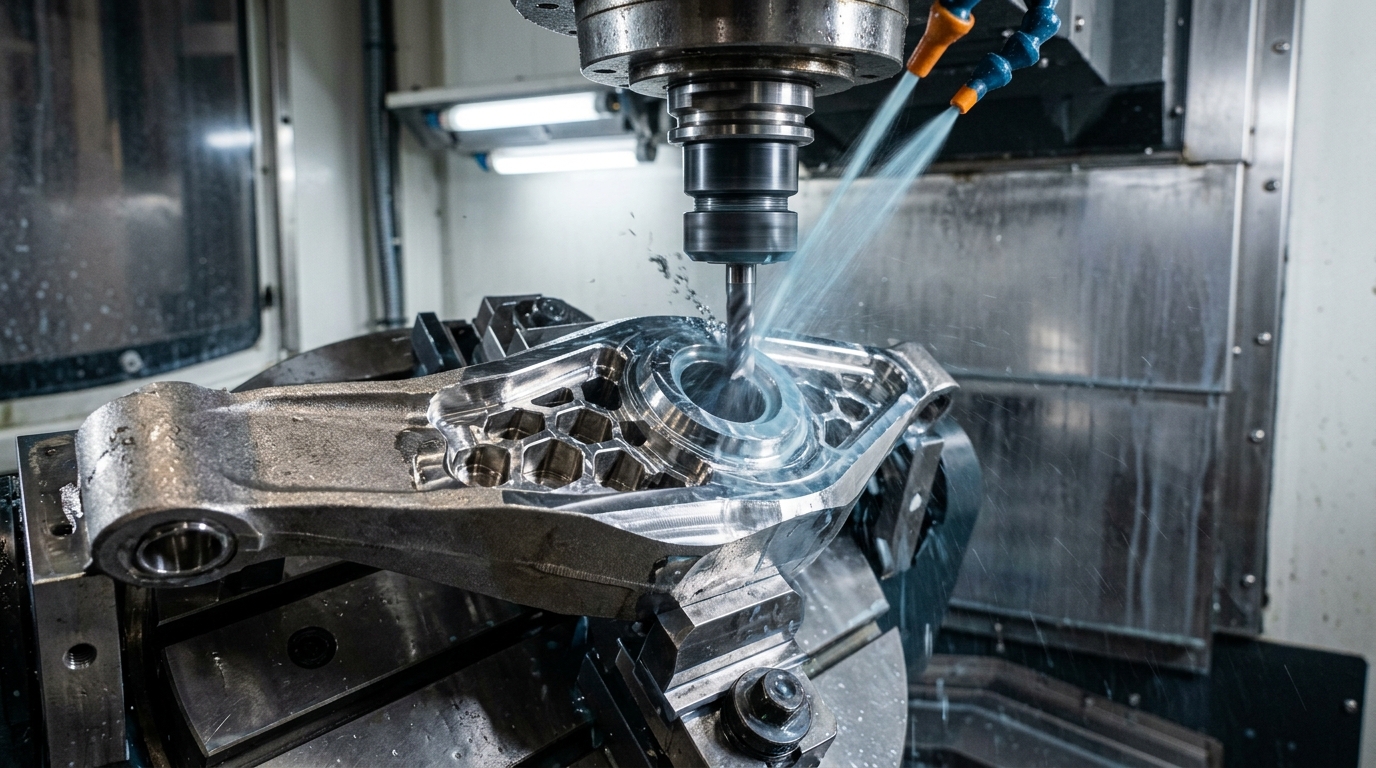
Drones and specialized aerospace platforms demand extreme weight optimization. Custom 5-axis CNC-machined Grade 5 titanium suspension rocker arms, thin-walled 7075-T6 avionics housings, and carbon-fiber reinforced camera gimbal arms are produced in short runs of 5 to 50 units with ultra-precision flight-grade tolerances down to ±0.015 mm.
3. Robotics & End-of-Arm Tooling (EOAT)
Automated manufacturing cells require custom pneumatic gripper fingers, sensor mounting brackets, and payload adaptors engineered specifically for unique workpiece geometries. Machined directly from solid Delrin (POM), Polycarbonate, or aerospace aluminum, custom robot tooling is deployed within 4 to 8 business days of CAD approval.
4. Automotive Hypercars & Bespoke Aftermarket Engineering
From low-volume electric hypercar battery cooling manifolds to customized luxury vehicle lighting bezels and aerodynamic carbon diffusers, custom prototyping allows automotive innovators to deliver race-ready, homologated components without multi-million dollar tooling investments.
The 4 Technological Pillars of Custom Prototyping
At AS Prototypes, selecting the right manufacturing process depends entirely on batch volume, mechanical duty cycle, and dimensional precision requirements:
1. Multi-Axis CNC Precision Machining (Subtractive)
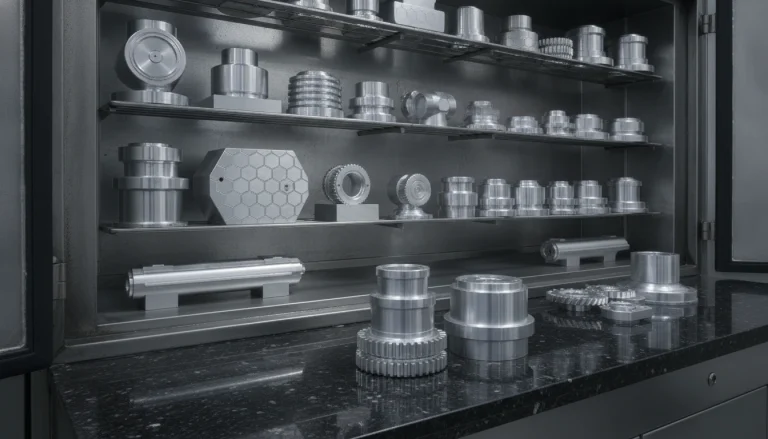
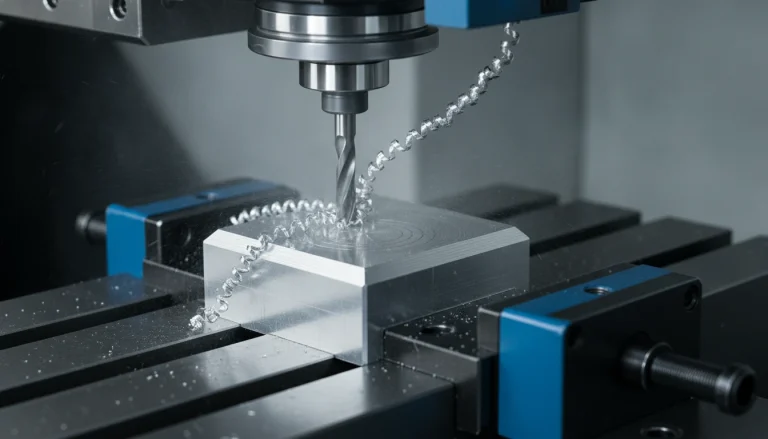
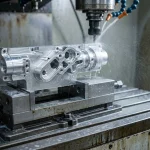
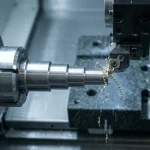
The gold standard for functional, load-bearing custom parts. Cutting directly from solid prime mill-tested billet stock (6061-T6, 7075, Stainless 316L, Brass, PEEK, Delrin) guarantees 100% isotropic mechanical strength and surface roughness down to Ra 0.4 μm. With zero upfront tooling required, CNC machining delivers 1 to 100 parts with exceptional sub-0.01 mm (±0.005 mm) repeatability across batch runs.
2. Polyurethane Vacuum Casting (Silicone Tooling)
The ultimate solution for pre-production runs of 10 to 50 plastic components. A master pattern is encapsulated in liquid silicone rubber to create a flexible mold. Liquid polyurethane resins replicate production-grade ABS, PP, PC, and rubber (Shore 30A to 90A) with mold-textured finishes, molded-in custom pantone colors, and overmolded brass inserts at a fraction of steel tooling costs.
3. Industrial Additive Manufacturing (3D Printing)
Unmatched for organic topologies, internal fluidic galleries, and complex hollow structures un-machinable by subtractive cutters. Technologies include Stereolithography (SLA) for water-clear optical lenses and concept models, Selective Laser Sintering (SLS) for durable nylon snap-fits, and Direct Metal Laser Sintering (DMLS) for titanium aerospace components.
4. Custom Precision Sheet Metal Fabrication
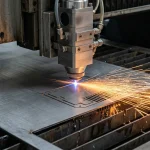
For electronic server racks, robotic enclosures, and industrial chassis. High-speed fiber laser cutting combined with CNC hydraulic press brakes and automated PEM fastener insertion enables rapid production of rugged sheet metal assemblies in 4 to 8 business days.
Engineering Comparison: Traditional Mass Production vs. Custom On-Demand Prototyping
| Strategic Parameter | Traditional Fixed Mass Production | AS Prototypes Custom On-Demand Prototyping | Business & Engineering Advantage |
|---|---|---|---|
| Upfront Tooling Investment | $20,000 to $150,000+ (Hard steel tooling) | $0 to Low ($500–$2,000 for soft tooling) | Preserves engineering capital for R&D and market validation |
| Initial Production Lead Time | 8 to 16 weeks (Tool build & T1 trials) | 3 to 7 business days | Compresses Time-to-Market (TTM) by up to 80% |
| Minimum Order Quantity (MOQ) | 5,000 to 50,000+ units | 1 piece (True unit-of-one flexibility) | Eliminates dead inventory and warehouse storage overhead |
| Engineering Change Flexibility (ECO) | Costly tool rework or scrapped tooling blocks | Instant (Update 3D CAD and machine next cycle) | Encourages aggressive performance optimization |
| Product Customization Degree | Identical uniform output across all units | 100% Bespoke (Parametric per-unit tuning) | Enables patient-specific medical & tailored robotics |
AS Prototypes: Your Dedicated Custom Manufacturing Partner
Successfully executing custom prototype projects requires more than just machinery—it demands an engineering team capable of multi-disciplinary problem solving. At AS Prototypes, we provide:
- Expert Front-End DFM Feedback: Within hours of receiving your 3D CAD files, our senior manufacturing engineers highlight wall thickness bottlenecks, undercut challenges, radius optimizations, and tolerance trade-offs.
- Single-Source Turnkey Accountability: From raw CNC billet machining through in-house surface treatments (Type II/III anodizing, powder coating, electroplating, PVD vacuum metallization) and precision hardware assembly, your project remains under one roof.
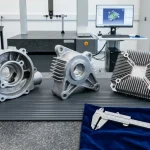
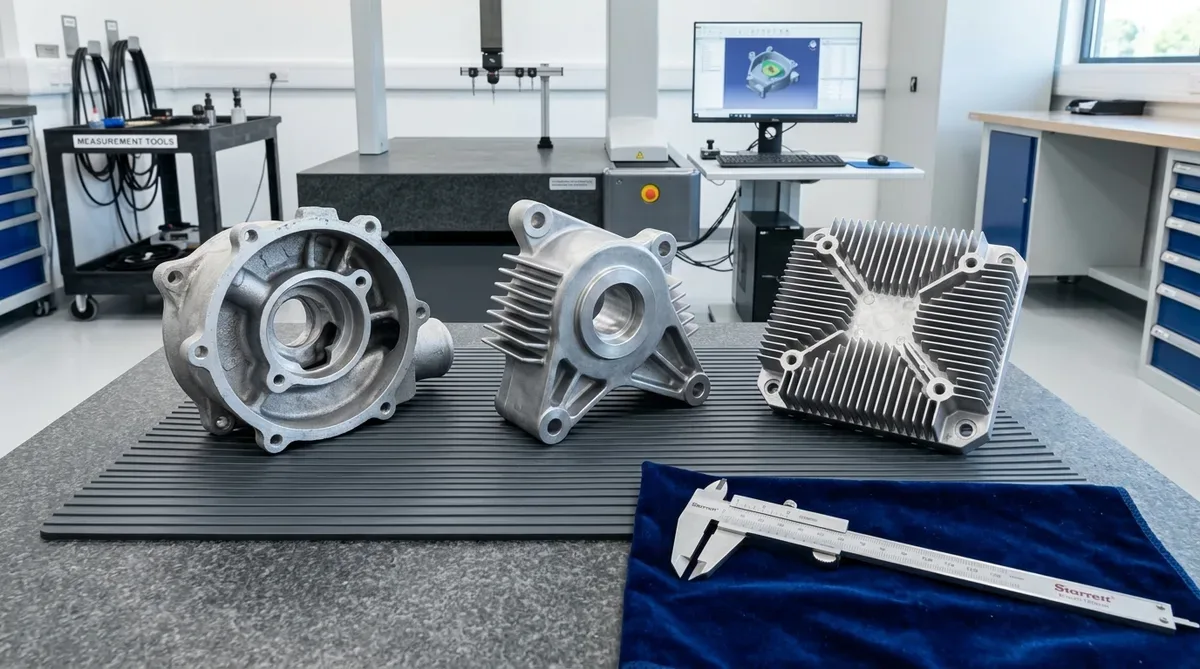
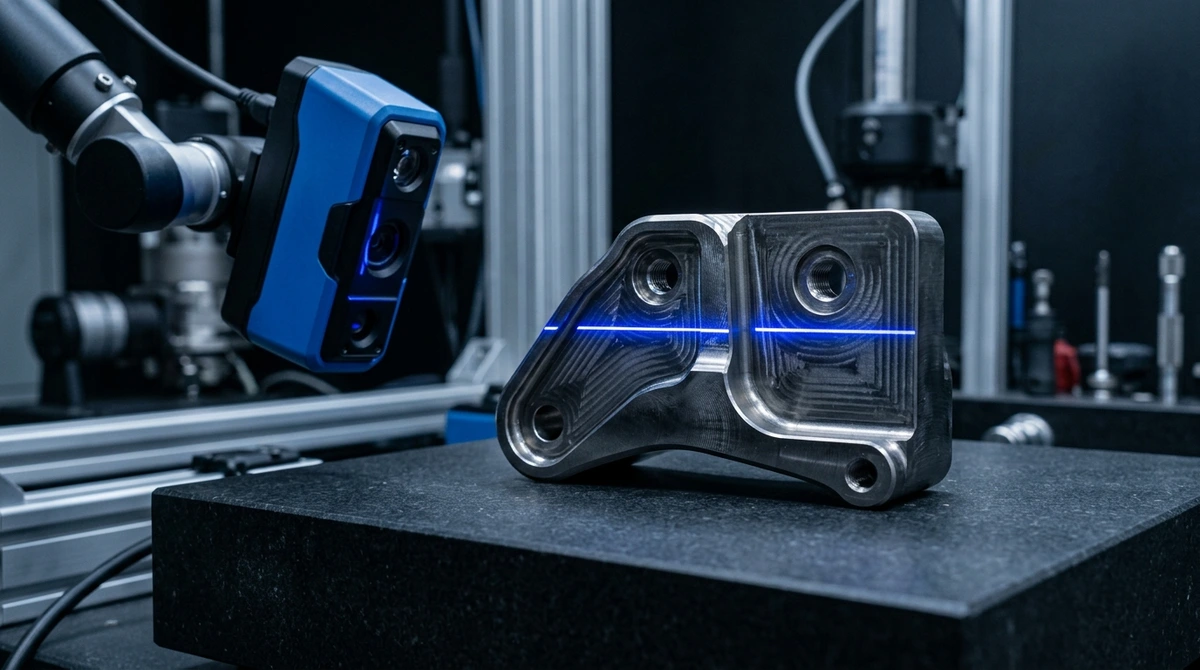
- Advanced Metrology & First-Article Quality Documentation: Every custom component is inspected in our temperature-controlled metrology lab utilizing automated bridge CMMs, optical comparators, and 3D blue-light laser scanners, backed by full Material Test Reports (MTRs) and First Article Inspection (FAI) reports.
For structural functional metals or plastics, multi-axis CNC machining cutting from solid billet provides the fastest turnaround and exact production-grade material properties without tooling setup costs.
When you need 10 to 100 plastic parts with molded surface textures, color-matched pigmentation, and uniform shore hardness, polyurethane vacuum casting in silicone tooling cuts cost per part by up to 60% compared to 3D printing.
Every precision batch undergoes complete inspection inside our temperature-controlled metrology lab utilizing Zeiss CMM multi-sensor probes, optical profile projectors, and surface roughness interferometers, supported by full FAIR documentation.
Turn Your Custom Prototype Concepts into High-Precision Reality
Whether you need a single proof-of-concept functional titanium prototype, 25 polyurethane vacuum cast drone housings, or a low-volume bridge production run of 1,000 precision CNC components, AS Prototypes delivers the engineering rigor, rapid turnaround, and competitive economics your project deserves.
Submit Your 3D CAD Files for Instant Custom Prototyping DFM & Quote →