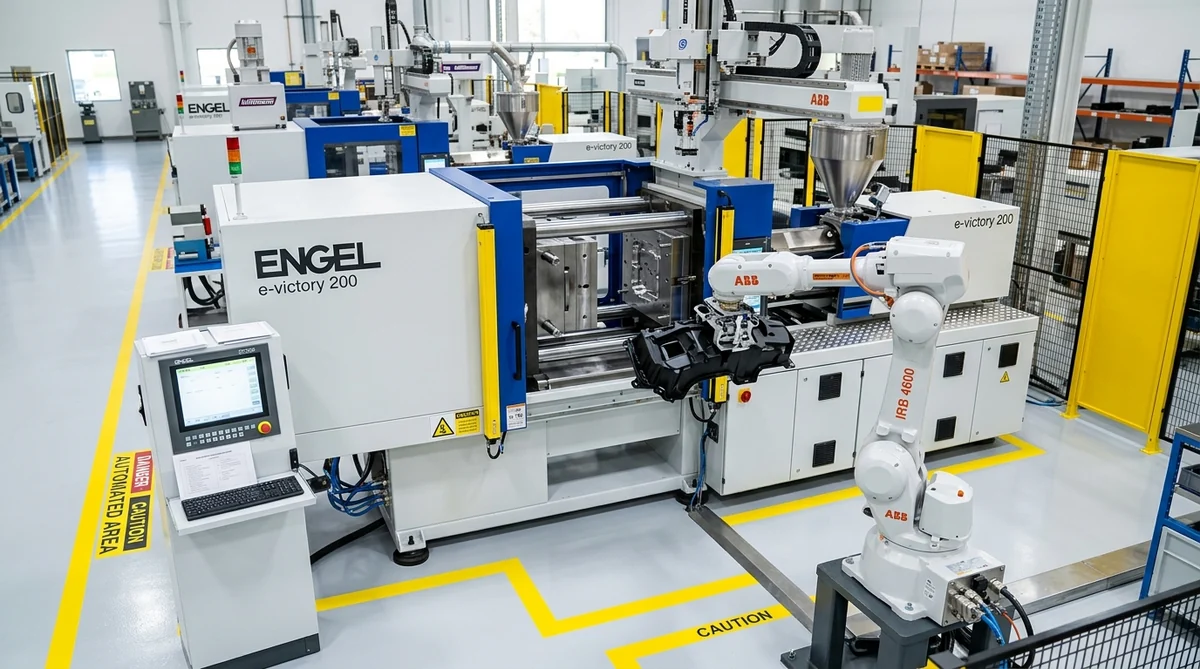
Plastic injection molding is a top choice for making high volumes of precision parts. Product teams rely on it every day for strong, reliable parts.
However, this method is not just one simple process. Over the years, engineers have developed many ways to mold plastic. Each method helps solve unique design needs, shape goals, and heat limits.
Therefore, picking the right process is vital. It sets your tool costs and your cycle speed. Furthermore, the wrong method can cause parts to warp, sink, or fail in use.
At AS Prototypes, we make custom molds across all key molding types. In this guide, we break down the main injection molding processes used in modern manufacturing.
How Does Injection Molding Work?
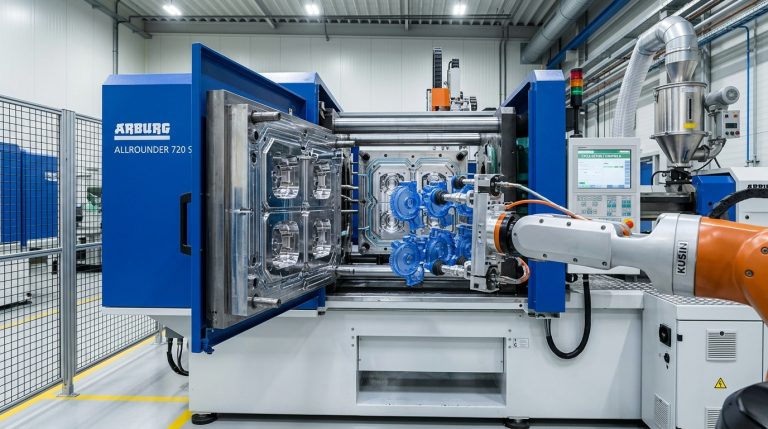
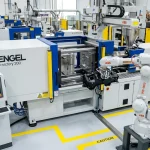
All injection molding processes follow a simple set of steps. First, small plastic pellets drop into a heated barrel. Next, a turning screw melts the resin and blends it well.
Then, the screw pushes forward like a ram. It injects the hot melt into a metal mold under high pressure. Consequently, the liquid plastic fills every corner of the cavity.
After that, cooling lines chill the plastic so it sets firm. Finally, the mold opens wide. Steel ejector pins push the solid part out so the next cycle can start.
Top Types of Thermoplastic Molding
Thermoplastics make up most molded goods today. Because they melt when heated and harden when cooled, they are easy to reform. Here are the core methods.
1. Standard Injection Molding
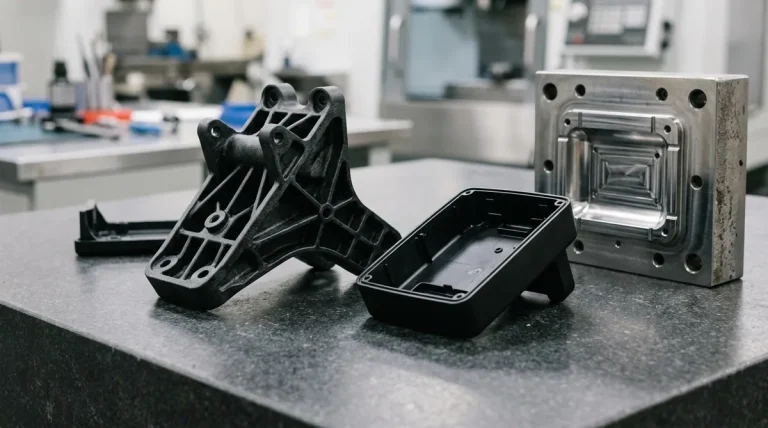
This is the most common molding method. It uses a single shot of molten resin inside a two-plate or three-plate tool. As a result, it gives fast cycles and tight accuracy.
Common materials include ABS, polycarbonate, nylon, and polypropylene. It works best for simple boxes, covers, brackets, and snap-fit shells.
2. Thin-Wall Molding
Thin-wall molding makes parts with walls under 0.8 mm thick. For example, phone cases, food tubs, and test vials use this method.
This process needs very fast injection speeds and high pressure. Otherwise, the thin stream of melt freezes before the mold fills.
Therefore, molds use special copper alloys and hot runners. These tools keep the melt warm and ensure quick, even flow.
3. Gas-Assisted Molding
Thick plastic parts often suffer from sink marks as they cool. Gas-assisted molding fixes this common issue with ease.
During this cycle, the machine injects a partial shot of resin. Then, it pumps high-pressure nitrogen gas into the core of the melt.
Consequently, the gas creates a hollow core while pressing the skin flat against the tool walls. As a result, it stops sink marks, cuts part weight, and speeds up cooling.
4. Structural Foam Molding
Structural foam molding mixes gas into the melted resin before injection. Inside the tool, the gas expands into tiny bubbles.
Meanwhile, the cold mold faces freeze a solid, smooth skin. Thus, the part has a light foamed core and a rigid outer shell. It offers great strength for large machine housings.
Multi-Material and Hybrid Molding
Modern parts often need more than one color, texture, or material. Hybrid molding joins them in one step without extra glue.
5. Two-Shot (2K) Molding
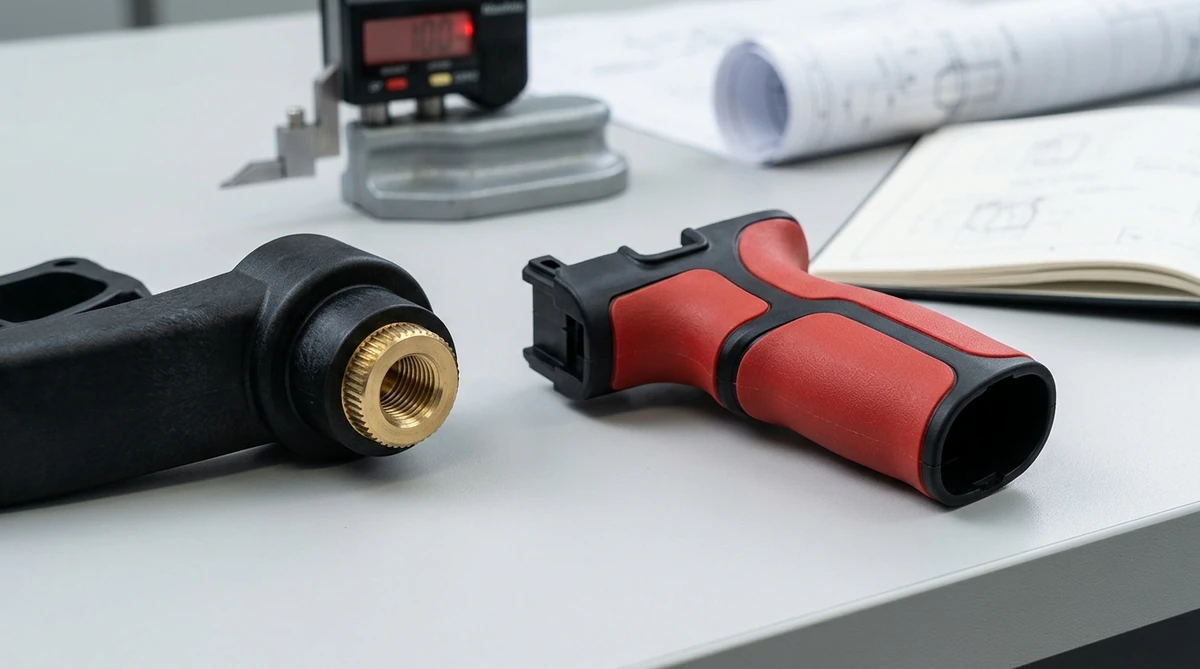
Two-shot molding shoots two different resins in one single machine cycle. First, it molds the stiff plastic base. Then, a rotating core spins the part into a second cavity.
Next, the second nozzle injects the soft grip or contrasting color over the base. Molecular bonding in 2K molding requires strict thermodynamic miscibility and matching polymer polarities (e.g., polar PC or ABS bonding seamlessly with TPU/TPE). For chemically incompatible pairs like non-polar PP with TPU, mechanical dovetail undercuts, interlocking features, or specialized compatibilizers are mandatory to eliminate delamination risk.
6. Overmolding
Overmolding creates similar parts but uses two standard machines instead of one complex 2K machine. First, technicians mold the rigid plastic base.
Then, an operator moves the cold base into a second tool. Next, the second press injects a soft rubber grip over it. Tool costs are lower, but cycle labor is higher.
7. Insert Molding
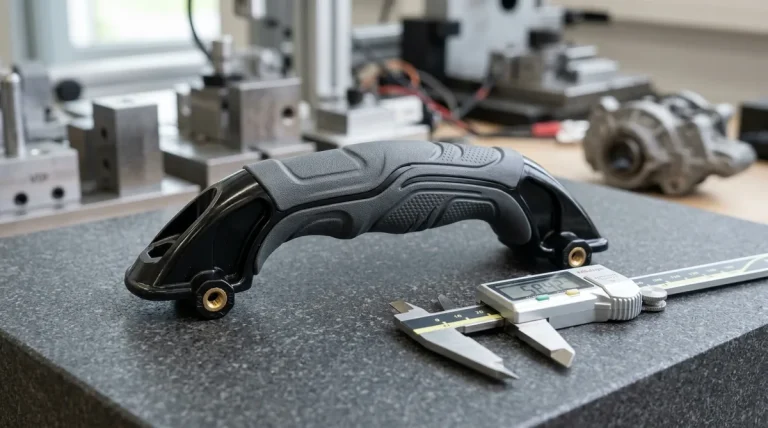
Insert molding places metal parts inside the tool before shooting plastic. Common inserts include brass nuts, copper pins, and steel pins.
Consequently, the plastic shrinks tightly around the metal piece. To prevent hoop stress cracking caused by significant CTE (coefficient of thermal expansion) mismatch between brass (18×10⁻⁶/K) and engineering plastics (60–90×10⁻⁶/K), boss wall thickness must equal 1.5 to 2.0 times the insert diameter, knurl corners must have radius transitions, and brass inserts should be preheated to 100°C–120°C prior to molding. This gives strong threads in soft plastics and eliminates costly manual assembly steps.
Elastomer and Liquid Molding Types
Some products need flexible rubber parts or high heat resistance that standard plastics cannot match.
8. Liquid Silicone Rubber (LSR) Molding
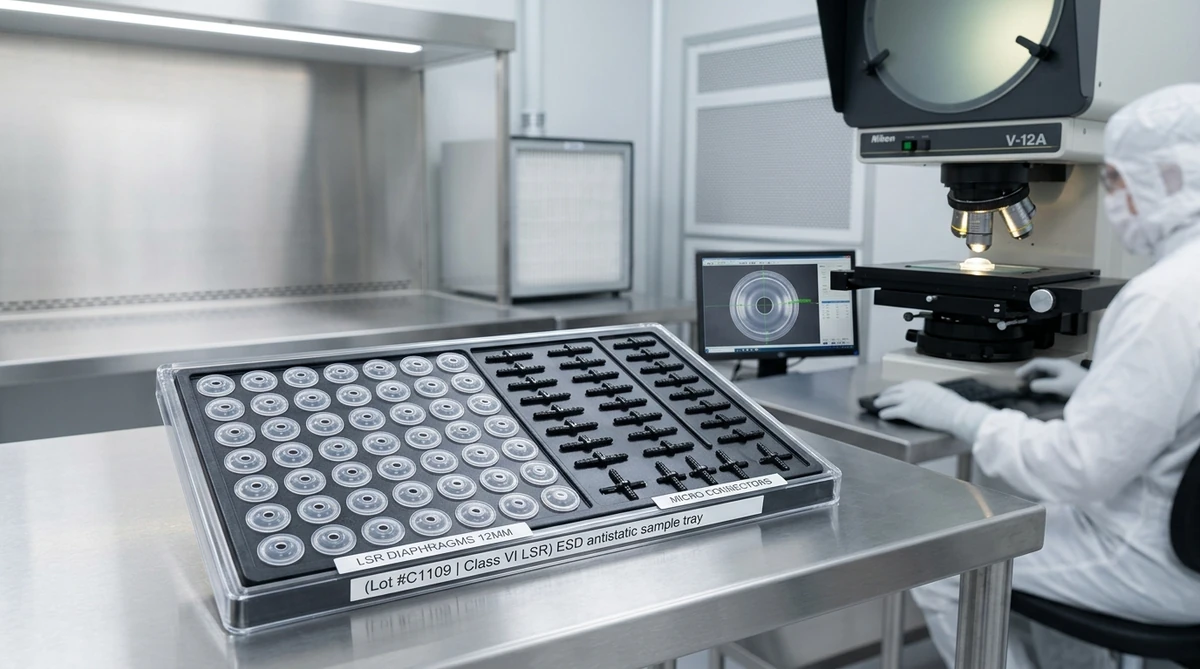
Liquid silicone rubber molding works in reverse compared to standard plastic. Instead of cooling a hot melt, it pumps cold liquid silicone into a hot mold.
The high heat inside the mold cures the silicone into a tough rubber part. In addition, LSR parts resist heat up to 200 deg C and remain safe for medical use.
9. Reaction Injection Molding (RIM)
Reaction injection molding mixes two fast-acting liquid chemicals under pressure. The mixed liquid flows into a warm mold at low pressure.
Inside the tool, the liquids cure into solid polyurethane. Because cavity pressure stays low, tools can use light cast aluminum. For lower test runs, engineers often pick vacuum casting for fast polyurethane parts.
10. Micro Molding
Micro molding makes tiny parts that weigh less than a gram. It uses fine screws and fast sensors to control tiny drop sizes.
For instance, medical micro-valves, optic lens holders, and tiny hearing aids rely on this high-precision method.
11. Metal Injection Molding (MIM)
Metal injection molding blends fine metal powders (such as 316L stainless steel, 17-4PH, or titanium) with a polymer binder matrix. Once molded into “green” parts, components undergo catalytic debinding and high-temperature vacuum sintering (reaching 97% to 99% solid theoretical density). MIM delivers high-volume complex metal geometries with tight tolerances without multi-axis CNC milling overhead.
12. Ceramic Injection Molding (CIM)
Similar to MIM, ceramic injection molding utilizes high-purity ceramic powders (zirconia ZrO₂ or alumina Al₂O₃) compounded with sacrificial wax binders. After sintering at temperatures exceeding 1500°C, CIM produces chemically inert, bio-compatible components with extreme hardness, high electrical insulation, and superior wear resistance for surgical tools and semiconductor handling.
13. Injection-Compression Molding (ICM)
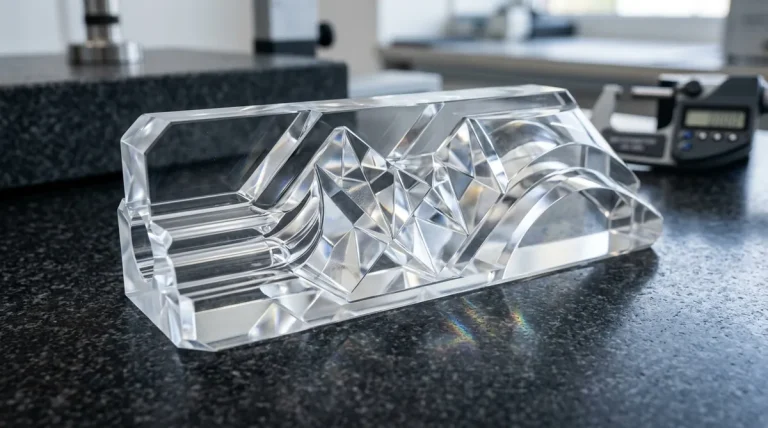
In injection-compression molding, the mold halves do not fully lock during melt injection. Instead, plastic melt is injected into a slightly open cavity at low pressure, after which the clamp applies uniform compressive force across the entire projected area. This eliminates localized shear stresses and pressure gradients, making ICM the gold standard for stress-free, ultra-flat optical lenses, light guide plates, and transparent instrument covers.
14. Injection Blow Molding (IBM / ISBM)
Injection blow molding combines precision injection molding of a threaded preform (parison) with immediate pneumatic blowing into a final hollow cavity. This process guarantees perfectly dimensioned, flash-free neck threads combined with uniform wall thickness and high structural strength for pharmaceutical, laboratory, and cosmetic hollow containers.
15. Cleanroom Medical Injection Molding
Operated inside positive-pressure laminar-flow cleanroom environments, this process deploys all-electric injection machines with particulate filtration and automated robotic handling. It prevents bio-burden contamination, airborne particulates, and oil vapor contact for implantable devices, microfluidic cartridges, and diagnostic consumable hardware.
Quick Process Comparison Guide
To help you pick the best process for your next project, review the summary table below.
| Process | Common Materials | Wall Range (mm) | Typical Tolerance | Best Advantage |
|---|---|---|---|---|
| Standard Molding | ABS, PC, PP, PA66, POM | 1.2 – 3.5 | ISO 20457 / DIN 16742 TG6 (±0.10 mm to ±0.25 mm; precision tool features down to ±0.05 mm) | Fast cycles and lowest tooling cost. |
| Thin-Wall Molding | High-Flow PP, PC, LCP | 0.3 – 0.8 | +/-0.05 mm | Cuts weight for small electronic devices. |
| Gas-Assist (GAIM) | PP, PC/ABS, PA-GF | 2.5 – 12.0+ (hollow) | +/-0.15 mm | Stops sink marks on thick structural ribs. |
| Insert Molding | PA66-GF, PBT, PPS + Brass | 1.5 – 4.0 | +/-0.08 mm | Locks metal threads firmly into place. |
| Liquid Silicone (LSR) | Two-part Platinum Silicone | 0.5 – 5.0 | +/-0.05 mm | High heat safety and pure medical clean. |
Tooling Classes and Tool Life
Picking the right tool steel helps manage production costs. The plastics industry groups molds into five clear classes.
| Mold Class | Tool Metal | Rated Shot Life | Relative Cost | Best Project Stage |
|---|---|---|---|---|
| Class 105 | Cast or 7075 Aluminum | < 500 shots | Lowest | Early proof-of-concept prototype parts. |
| Class 104 | Alloy Aluminum / P20 | < 100,000 shots | Low to Mid | Bridge tooling and low-volume pilot batches. |
| Class 103 | Pre-hardened P20 / 718H | < 500,000 shots | Moderate | Standard production volumes for consumer goods. |
| Class 102 | H13 Tool Steel (48-52 HRC) | < 1,000,000 shots | High | High-volume auto and medical production runs. |
| Class 101 | Hardened S7 / 420 Stainless | > 1,000,000 shots | Highest | Automated around-the-clock volume output. |
Key Design Tips for Better Parts
Follow these simple rules to make your molded parts strong, clean, and cheap to run.
- Keep Walls Even: Always keep nominal walls uniform to prevent sink marks and warpage.
- Add Draft Angles: Use at least 1.0 to 1.5 degrees of draft per side for smooth ejection.
- Round Internal Corners: Replace sharp corners with smooth radii to reduce internal stress.
- Plan Tool Actions Early: Side pulls and lifters add tooling cost, so check geometry first.
Two-shot molding uses one machine with a rotary table to shoot two plastics in one fast cycle. In contrast, overmolding uses two separate tools and standard presses, which requires moving parts by hand or robot.
Aluminum tools are great for prototypes and small batches up to 50,000 shots. They cut machining lead times in half and cool very quickly.
Yes. Threaded brass inserts with knurled outer walls lock firmly into the plastic, giving high pull-out resistance.
Start Your Injection Molding Project with AS Prototypes
From rapid prototype bridge tools to high-volume hardened molds, AS Prototypes delivers fast, accurate parts. Upload your STEP CAD files today for a free DFM review and fast quote.
Request an Injection Molding Quote