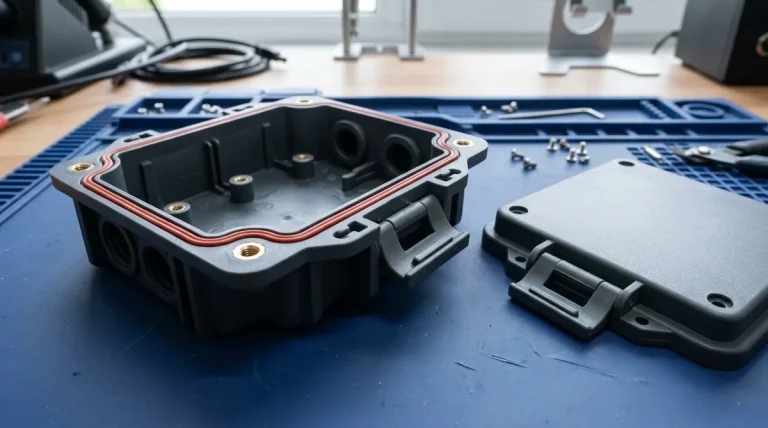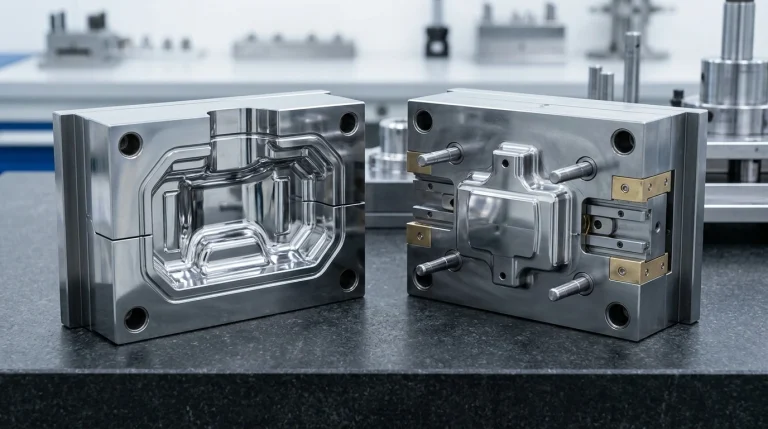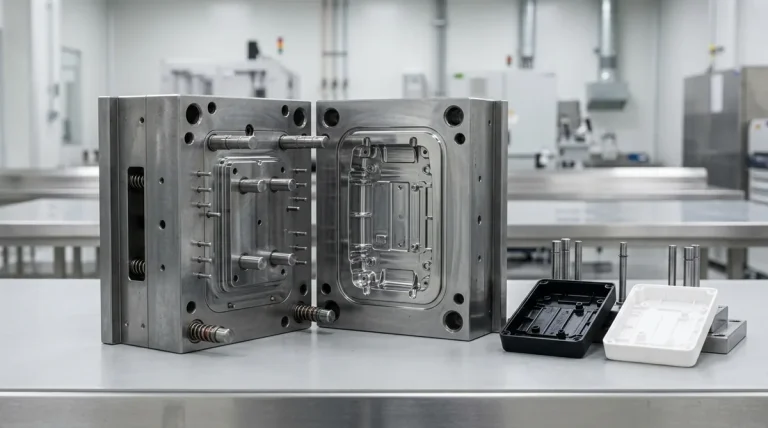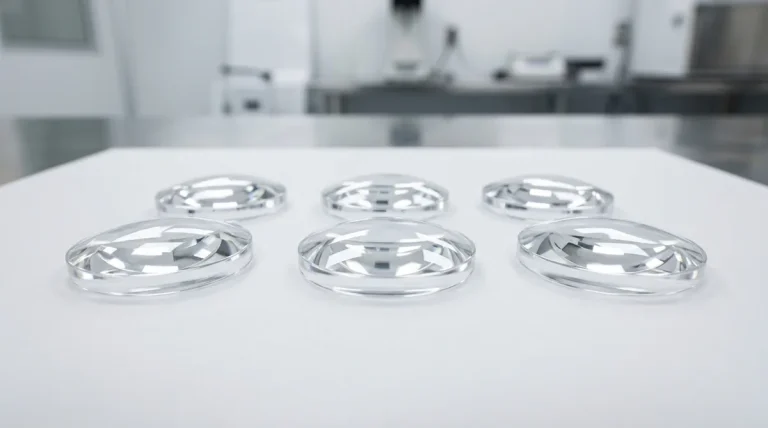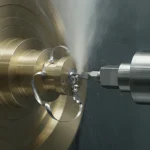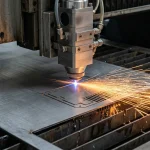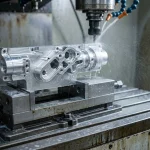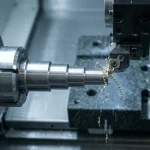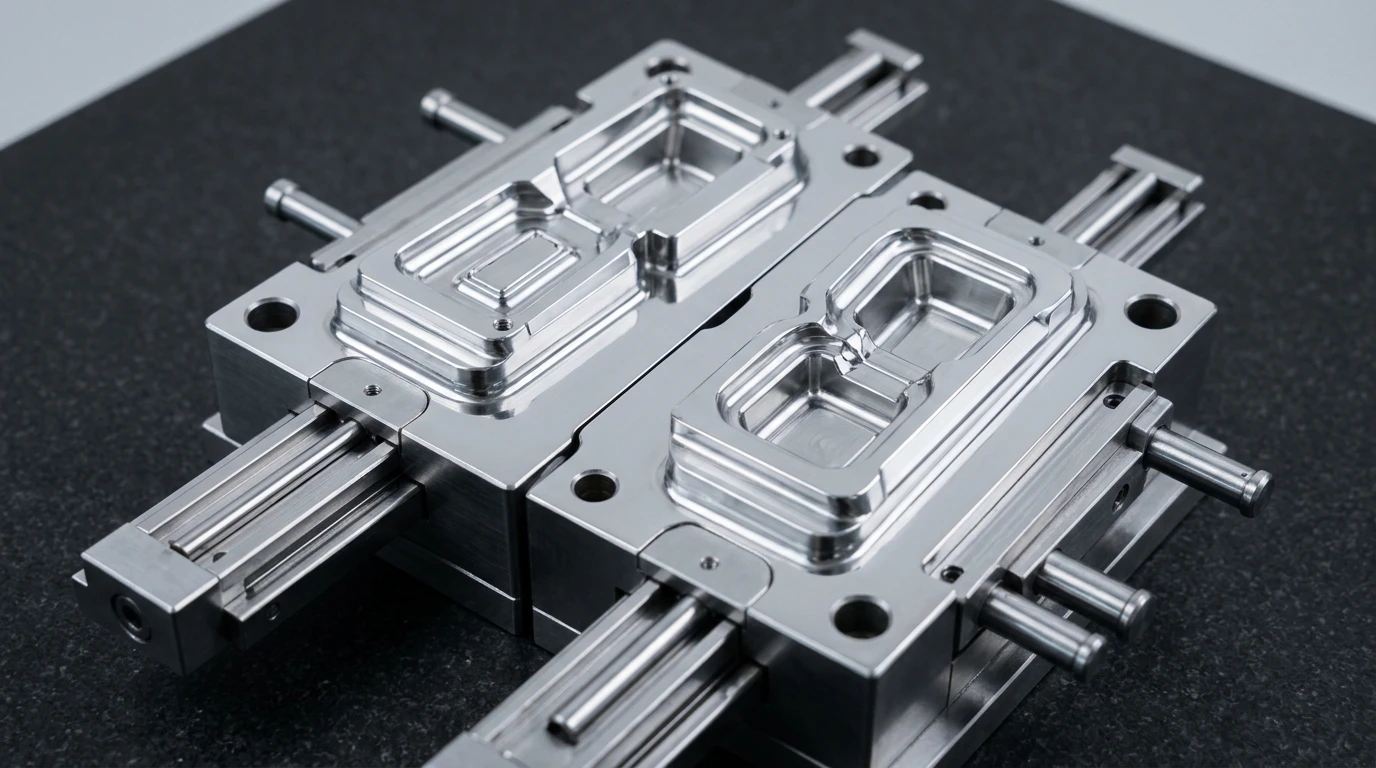
In modern industrial production, tooling represents the foundational infrastructure that dictates component accuracy, unit economics, cycle time, and production scalability. Spanning from cutting tools utilized on high-speed machining centers to multi-cavity injection molds and sheet metal progressive stamping dies, tooling transforms raw bar stock, polymer pellets, and sheet metal into finished parts with micro-tolerances down to +/-0.005mm. Selecting the optimal tooling strategy—balancing prototype bridge tooling against hardened production tooling—is one of the most critical capital allocation decisions in product development. This technical guide examines the primary categories of CNC machining cutting tooling, SPI mold classifications, material selection criteria, and DFM guidelines for custom tooling development.
1. The Core Classifications of Industrial Tooling
In precision manufacturing, tooling is broadly categorized into four interconnected domains:
- Cutting Tooling (Subtractive Machining): Includes solid tungsten carbide end mills, indexable milling face mills, single-point lathe turning inserts (CBN, PCD, ceramic, coated carbide), reamers, and taps. These tools interface directly with raw stock under high shear stress and cutting temperatures exceeding 800°C.
- Molding & Casting Tooling (Forming Dies): Includes high-pressure injection molding tools, die-casting dies, and silicone vacuum casting molds. These tools must withstand intense thermal cycling, high clamping forces (from 50 tons up to 3,000 tons), and abrasive polymer or molten metal flow.
- Workholding & Fixturing Tooling: Comprises zero-point clamping plates, 5-axis self-centering vises, custom vacuum chucks, and dedicated inspection CMM fixtures designed to constrain 6 degrees of freedom with sub-0.005mm repeatability.
- Forming & Stamping Dies: Includes progressive stamping dies, transfer dies, press brake bend tooling, and extrusion dies used to cold-form ductile metals.
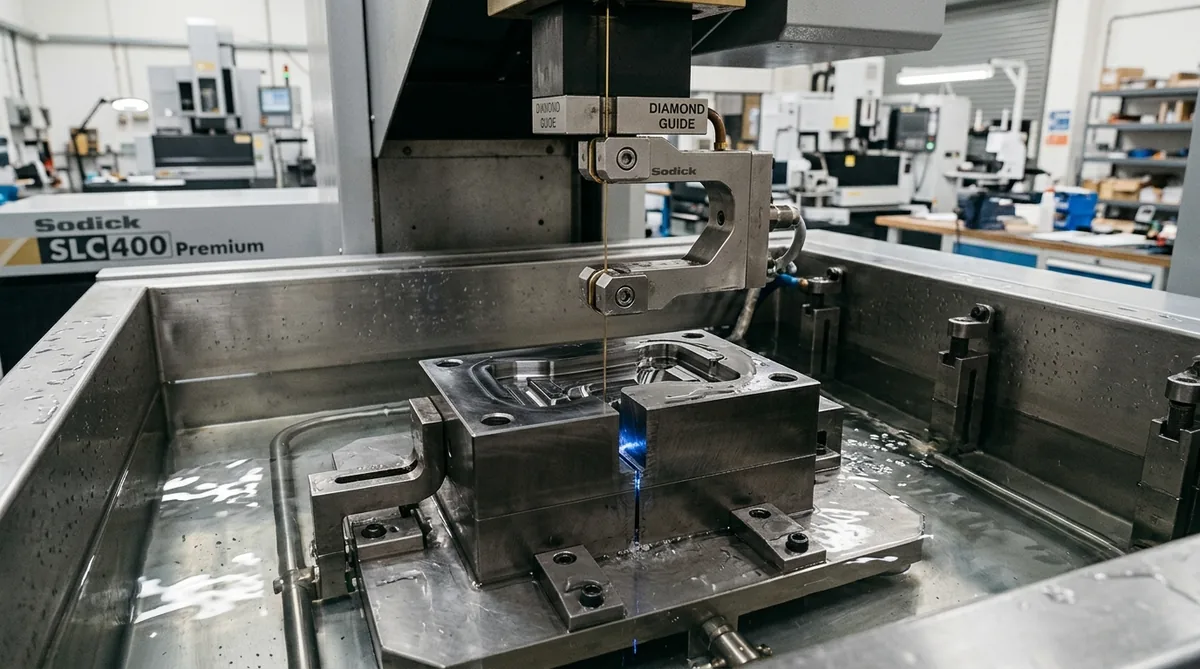
5. DFM Guidelines for Cost-Effective Tooling Procurement
To reduce tooling lead times and prevent costly tooling rework, incorporate these design rules during initial 3D CAD modeling:
- Standardize Draft Angles: Apply consistent draft (minimum 1.0° to 1.5° for smooth surfaces, and 3.0° to 5.0° for textured/EDM finishes) across all vertical shut-off faces to prevent part sticking and scuff marks during mold opening.
- Minimize Side-Action Lifters & Sliders: Eliminate external undercuts where possible. Side-actions increase mold base complexity, add maintenance failure points, and can expand tooling budgets by 25% to 40%.
- Implement Conformal Cooling Channels: For complex geometries, consider metal 3D printed (DMLS) mold inserts with conformal cooling lines that hug internal cavity contours, reducing cycle times by up to 30%.
- Consolidate Cutting Tool Radii: In CNC machined fixture bases, ensure internal fillet radii match standard end mill diameters (e.g., specifying R3.2mm for an R3.0mm cutter to eliminate tool corner chattering).
Frequently Asked Questions (FAQ)
Soft tooling uses semi-hardened steels (P20) or aircraft aluminum (7075-T6), providing fast turnaround (1 to 2 weeks) and lower costs for 500 to 10,000 parts. Hard tooling is fabricated from hardened tool steels (H13, S136, D2, 48-54 HRC), requiring higher initial investment but capable of withstanding 100,000 to 1,000,000+ cycles with minimal maintenance.
SPI classifications (Class 101 to 105) standardize mold quality based on cycle life, tool steel hardness, and ejection mechanisms. A Class 101 mold guarantees hardened steel cavities for over 1,000,000 shots, whereas Class 104 or 105 denotes bridge/prototype tooling intended for pilot production.
Thin-film PVD coatings like TiAlN and DLC provide extreme surface hardness (>3,000 HV) and low friction. On cutting tools, they resist high cutting temperatures; on mold components like ejector pins and slides, they prevent galling and wear without requiring liquid lubricants that could contaminate molded parts.
Partner with AS Prototypes for Rapid Tooling and Production Molds
Request an Instant RFQ for Rapid Tooling & Production Molds
From fast aluminum bridge tooling delivered in 18 to 25 business days to multi-cavity SPI Class 101 hardened steel production molds and precision CNC fixtures, AS Prototypes provides end-to-end manufacturing solutions. Upload your 2D engineering drawings and 3D CAD models (STEP, IGES, Parasolid) for instant DFM analysis and competitive pricing.