Automotive Component Prototyping & Manufacturing Services
Automotive engineering requires high mechanical strength, thermal endurance, and strict adherence to dimensional tolerances. AS Prototypes delivers precision CNC machined powertrain parts, functional interior/exterior prototypes, lightweight composite brackets, and rapid tooling molds for Tier-1 suppliers and EV innovators.
1. The Critical Role of Prototyping and Quick Production in Automotive Development
The development of new automotive products is traditionally a costly and time-consuming process. However, modern strategies in the progression from concept to commercialization are revolutionizing how these products are launched, with a strong focus on efficiency and cost reduction.
Rapid prototyping and manufacturing services offer a fast, reliable, and cost-effective way to produce both prototype models that retain essential features and low-volume production parts for concept validation and market testing of automotive components and systems. This approach encourages the exploration of innovative concepts, the collection of early consumer feedback, and the development of solutions tailored for specific applications. These prototypes can then undergo testing in lab or real-world driving conditions, accelerating their introduction to the market. Furthermore, this phase provides critical insights into future production processes, cost estimations, schedule management, and quality control measures.
2. Optimal Strategies Enhanced by Prototyping and Manufacturing in Automotive Development
Develop concepts for automotive components into a feasible scope, focusing on defining essential details and fully understanding the design intent via proof-of-concept prototypes.
Visual presentation models enable designers to showcase the look and aesthetics of their automotive designs to colleagues, clients, and stakeholders, thereby fostering clear and actionable feedback.
Functional prototyping in automotive development, also known as Beta prototyping, allows for testing the form, fit, and function of components. This process helps refine design iterations and enhance vehicle performance. It enables the identification and correction of issues early in the development cycle, significantly reducing business risk before finalizing the product.
Developing engineering prototypes that closely resemble the final automotive product simplifies the process of verifying design, engineering, and manufacturability. This step is crucial before committing significant resources to expensive tooling and production processes.
Rapid manufacturing and custom low-volume production of automotive components serve as an effective bridge from prototype to full-scale production. This approach accelerates market entry and maintains cost-efficiency, facilitating a smoother transition to commercial availability.
3. Automotive Engineering Materials & Precision Specifications Matrix
Automotive Engineering Materials & Precision Component Specifications Matrix
Automotive-grade material standards, mechanical endurance, thermal ratings, precision tolerances, and vehicle subsystem applications
| Material Designation | Material Class / Spec | Tensile & Yield Strength | Heat Deflection / Max Temp | Precision CNC Tolerance | Vehicle Subsystem Applications |
|---|---|---|---|---|---|
| Aluminum 6061-T6 / 6082-T6 | Extruded Structural Aluminum | Tensile: 310 MPa Yield: 275 MPa | 150°C | ±0.008 mm | EV battery pack enclosure frames, liquid cooling cold plates, suspension control arms, subframe crossmembers. |
| Cast Aluminum A380 / ADC12 | Die Casting & CNC Machining Alloy | Tensile: 320 MPa Yield: 160 MPa | 200°C | ±0.010 mm | Transmission bell housings, EV electric drive unit (EDU) casings, inverter heatsink covers, engine timing covers. |
| 40Cr / AISI 4340 Drivetrain Steel | Chromium-Moly Quenched & Tempered | Tensile: 980–1200 MPa Yield: 835 MPa | 350°C (Fatigue Rated) | ±0.005 mm | Differential drive shafts, steering knuckle spindles, transmission input gears, high-load wheel hub bearings. |
| Nylon PA66-GF30 / PA12-GF | 30% Glass-Reinforced Engineering Nylon | Tensile: 150–175 MPa Flex Mod: 8.5 GPa | HDT: 235°C (Under-the-Hood) | ±0.05 mm (ISO 2768-m) | Turbocharger intake manifolds, radiator end tanks, engine valve covers, high-voltage wiring harness connectors. |
| Optical Polycarbonate (PC) & PMMA | Automotive Optical Grade (UV Resistant) | Tensile: 65–72 MPa >89% Transmittance | HDT: 130°C | ±0.010 mm | Headlamp light guides, daytime running light (DRL) outer lenses, HUD combiner prisms, instrument cluster bezels. |
| Dual-Phase Steel (DP600 / SPCC) | Cold-Rolled Automotive Sheet Steel | Tensile: 600–780 MPa Yield: 340–450 MPa | E-Coat Corrosion Resistant | Laser: ±0.10 mm / Bending: ±0.25 mm (DIN 6930-m) | B-pillar structural reinforcements, door intrusion crash beams, EV battery protection skid plates, seat bracket assemblies. |
On-Demand PPAP & FAIR Automotive Quality Verification
To satisfy rigorous Tier-1 and OEM automotive engineering validation, AS Prototypes provides comprehensive on-demand quality documentation tailored to automotive development programs:
Full First Article Inspection Reports aligned with VDA/AIAG standards with feature verification on calibrated in-house 3D metrology and Zeiss CMM systems (available upon request).
Verified native raw material Mill Test Reports verifying chemical spectral analysis, yield strength, elongation, and heat treatment hardness.
Vacuum helium mass spectrometer testing (<1×10⁻⁷ mbar·L/s) and pressure decay hold validation (up to 3.5 bar) for liquid cooling plates.
4. On-Demand Manufacturing Capabilities for Automotive
CNC Machining for Automotive Components
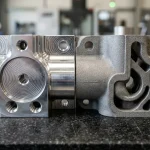
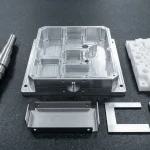
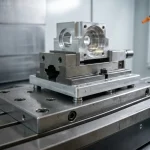
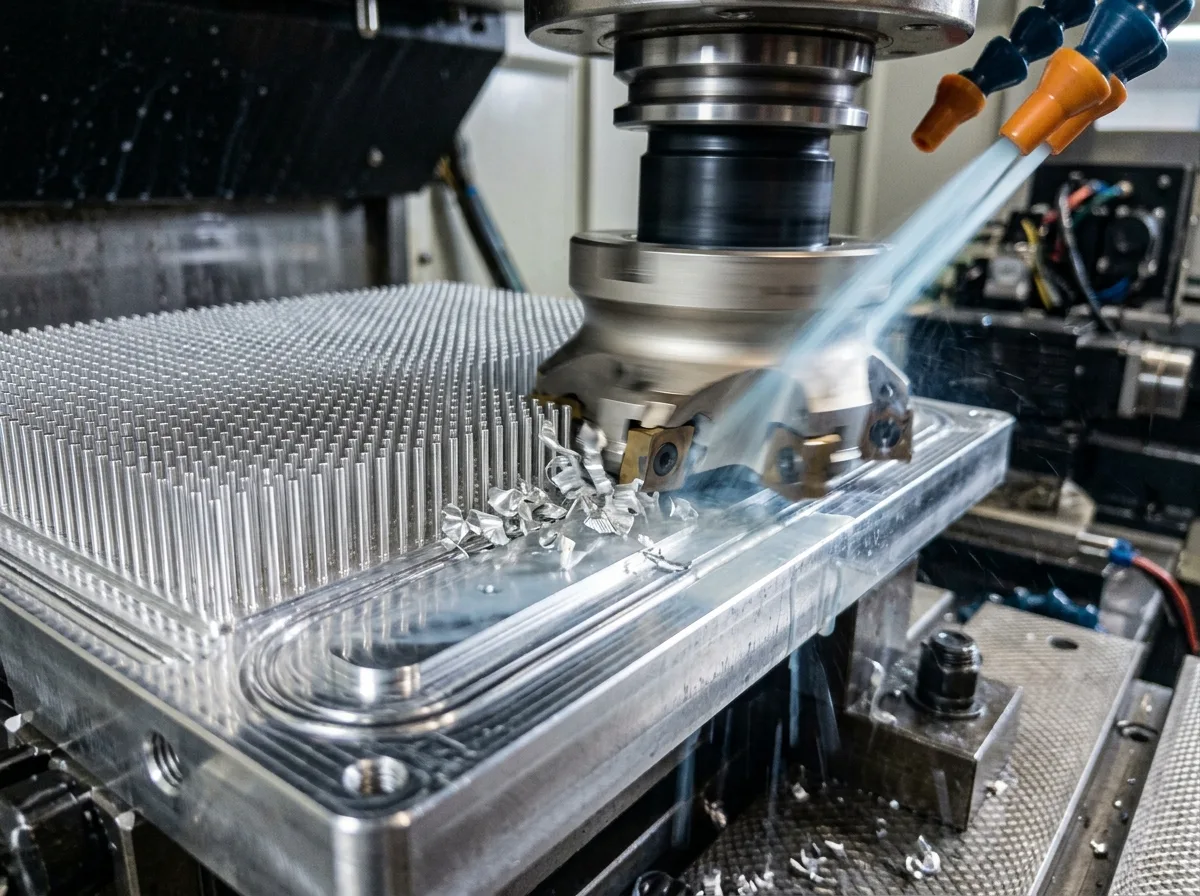
CNC machining is a critical technology in the automotive industry, facilitating the precise and efficient production of complex components essential for various automotive applications. At AS Prototypes, we specialize in CNC machining, employing premium materials such as aluminum and stainless steel to meet exacting specifications with high tolerances. This capability ensures that our machined parts, including engine components, chassis parts, and gear assemblies, meet the rigorous demands of the automotive sector.
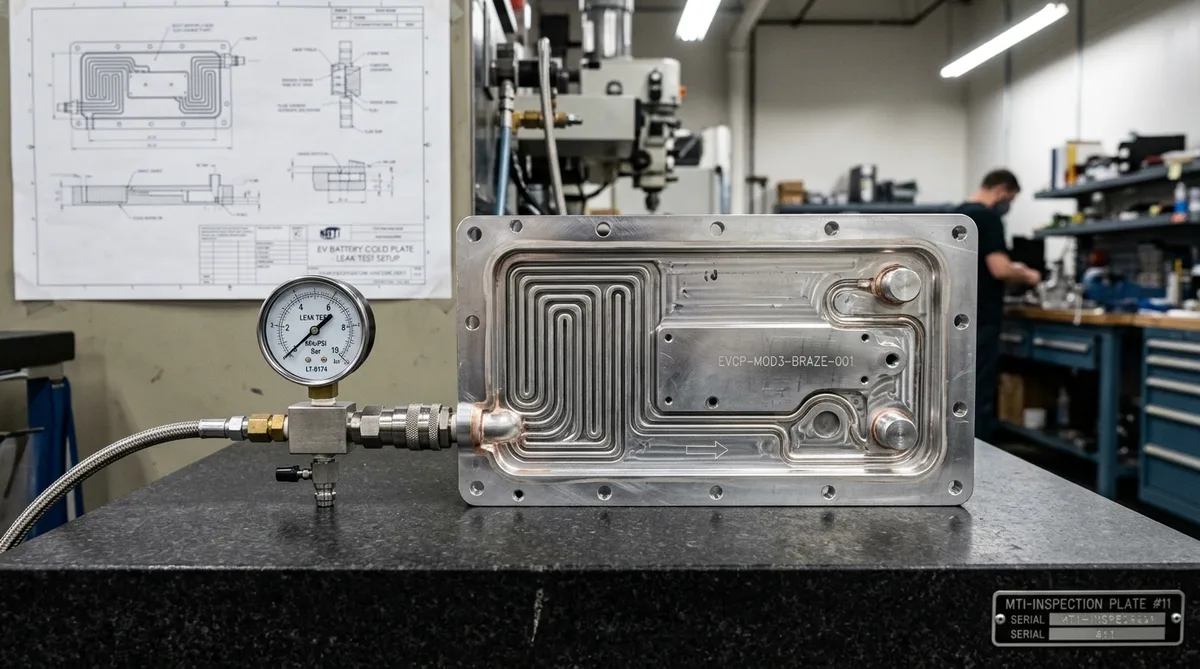
Typical applications: EV Motor Stator Water Jackets, Inverter IGBT Heatsink Pin-Fin Cold Plates, 5-Axis Serpentine Channel EV Battery Liquid Cooling Plates, Forged 6082-T6 Suspension Control Arms & Steering Knuckles, and 5-Axis Aerodynamic Turbocharger Impellers.
Typical materials: Aluminum 6061-T6 / 6082-T6 / 7075-T651, Alloy Steels 8620H / 20CrMnTi / 4140, Pure Copper C11000, Titanium Ti-6Al-4V, and Engineering PEEK.
3D Printing for Automotive Components
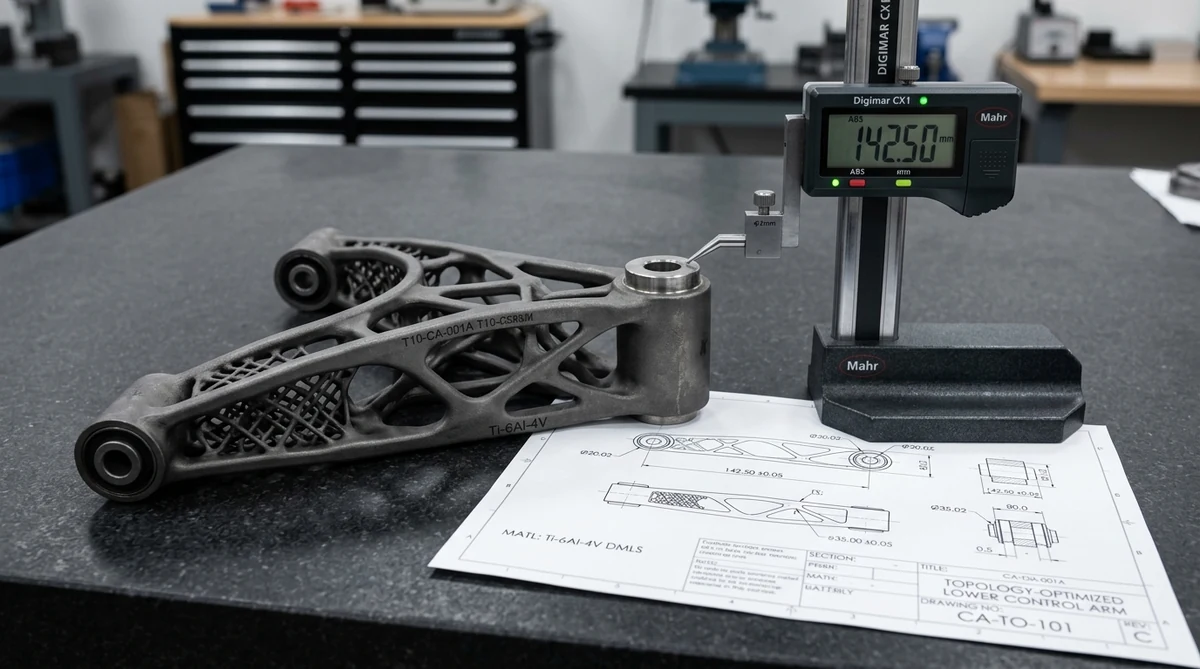
3D printing is revolutionizing the automotive industry at AS Prototypes by enabling the rapid production of complex, customized components such as car-specific parts, advanced polymers, and precisely tailored automotive tools. We specialize in utilizing automotive-grade materials to ensure each product not only meets precise specifications but also adheres to the highest quality and safety standards required in automotive applications.
Typical applications: Direct Metal Laser Sintering (DMLS / SLM) AlSi10Mg Generative Topology-Optimized Suspension Control Arms, Conformal-Cooled Turbocharger Brackets, Aerodynamic Wind-Tunnel Evaluation Models, and High-Temp SLS Intake Manifolds.
Typical materials: AlSi10Mg Aluminum Powder, Ti-6Al-4V Grade 5, Inconel 718, Polyamide PA12 (SLS / MJF), and Carbon-Fiber Reinforced High-Temp Nylon.
Vacuum Casting for Automotive Components
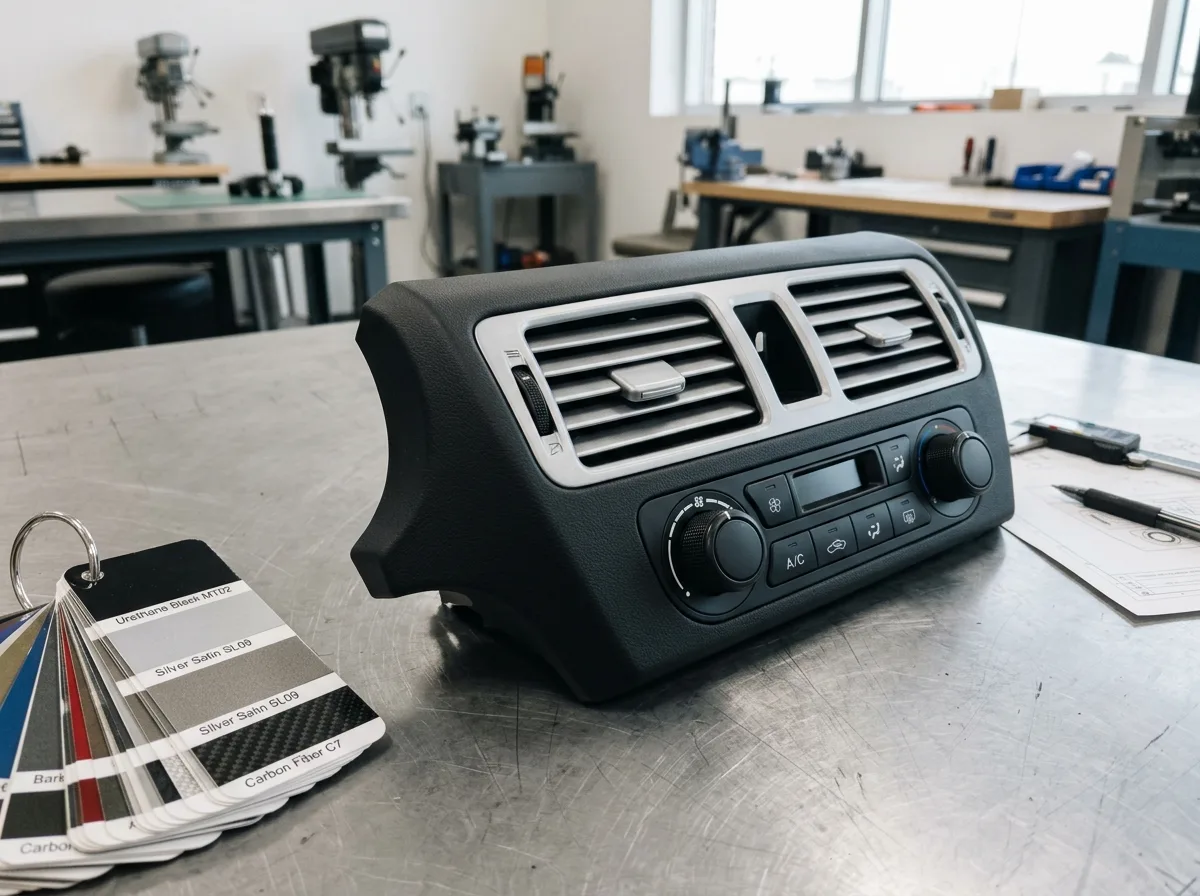
Polyurethane casting presents numerous benefits and applications, making it a valuable technique for the automotive industry, particularly for low-volume production of automotive component housings. This method is ideal for initial product launches before investing in injection molding and tooling, allowing for market research and gathering customer feedback. It also facilitates the early delivery of automotive components. In markets characterized by fast-paced innovation and short product lifecycles, silicone molding used to cast urethane enables manufacturers to quickly iterate and refine their designs without the need to recoup the costs associated with hard tooling.
Typical applications: Instrument Dashboard Center Consoles, Dual-Shot Overmolded AC Air Vent Louvers & Bezels, Climate Control Switchgear Panels, Ergonomic Soft-Touch Armrests, and Polyurethane Elastomeric Suspension Bushing Mockups.
Typical materials: Automotive Polyurethane (Simulated ABS/PP/PC), High-Heat HDT Resins, Soft-Touch Overmold Urethanes (Shore 50A to 85A), and Optical PMMA-like Transparent Resins.
Rapid Injection Molding for Automotive Components
Rapid injection molding is an optimal solution for automotive manufacturers requiring low-volume molded parts. It effectively supports manufacturability analysis, engineering tests, road evaluations, investor demonstrations, and readiness for production in the advanced phases of automotive component development. Additionally, it serves as an intermediary between prototyping and full-scale production, allowing for the early detection and resolution of issues before transitioning to manufacturing.
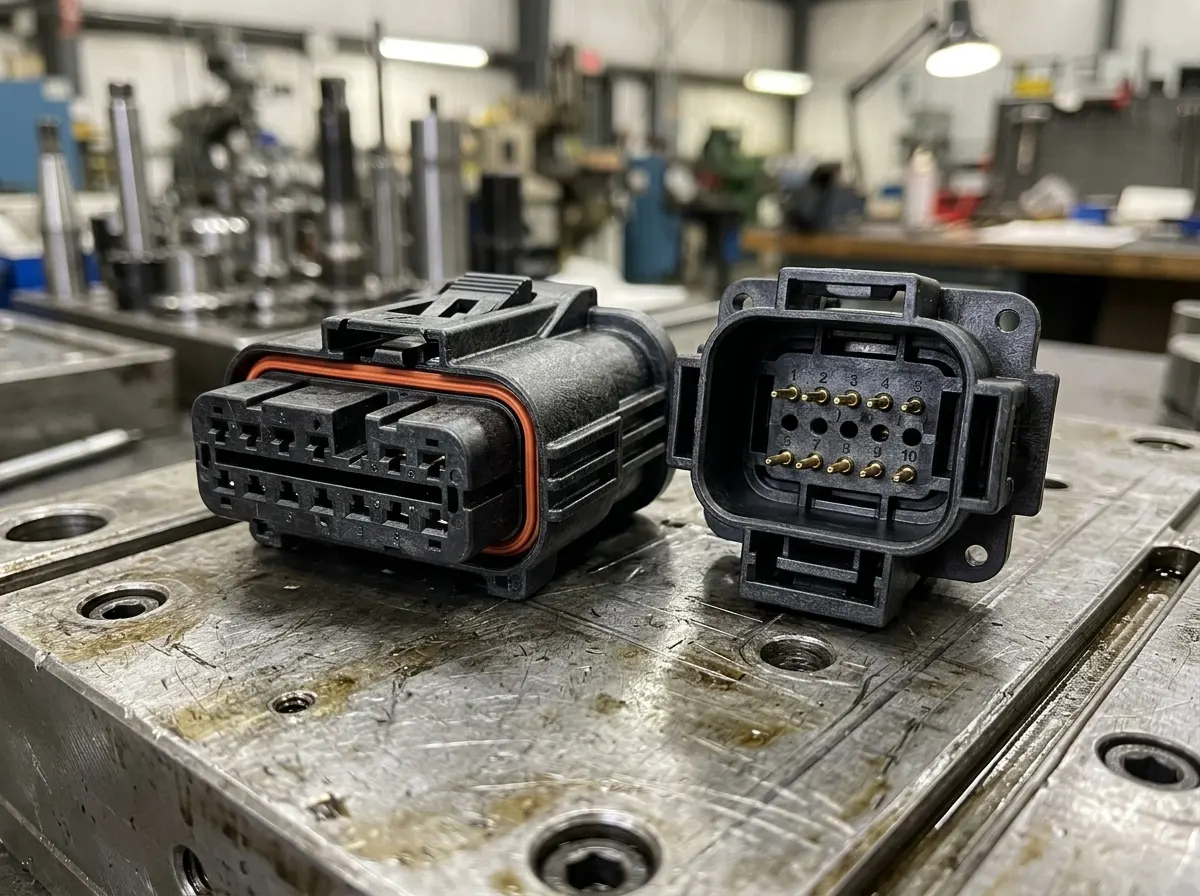
Typical applications: Underhood 30% Glass-Filled Nylon (PA66-GF30) Sealed Electrical Connectors, Engine Wire Harness Retention Clips, Radiator End-Tanks, Sensor Housings with Silicone Gasket Sealing Grooves, and PEEK Transmission Thrust Washers.
Typical materials: PA66-GF30 (30% Glass-Filled Polyamide), Wear-Resistant PEEK, Polycarbonate/ABS Blend, Polypropylene (PP-T20 Mineral Filled), and POM (Delrin).
Sheet Metal for Automotive Components
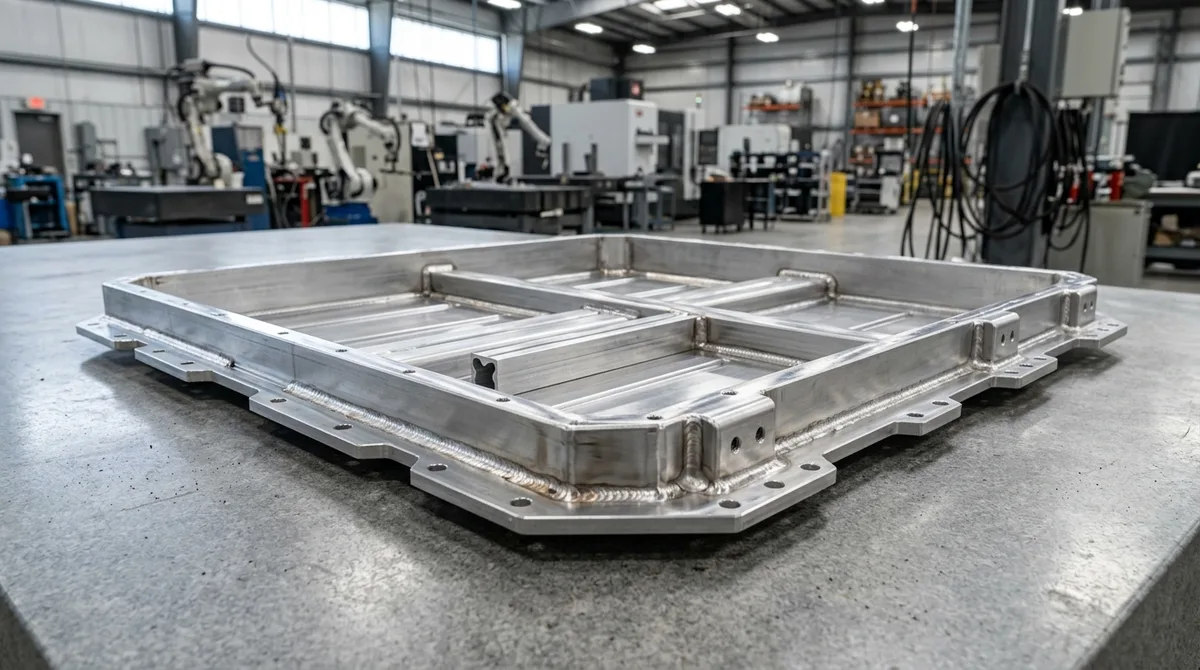
Sheet metal fabrication is a critical technique in the production of automotive components, emphasizing precision and adaptability. This process involves cutting, bending, and assembling metal to create components for vehicles ranging from body panels to enclosures for electronics. The ability to meet exact specifications and maintain high tolerances makes sheet metal ideal for complex automotive applications. Additionally, materials like aluminum used in this process are lightweight and corrosion-resistant, supporting the stringent durability and safety standards required in the automotive industry.
Typical applications: Aluminum 6061-T6 / 5052-H32 Electric Vehicle (EV) Battery Pack Lower Enclosure Trays with Continuous Robotic Laser Weld Seams, Stamped Stiffening Ribs, Thermal Heat Shields, Structural Subframe Brackets, and Clinch Stud Fasteners.
Typical materials: Aluminum 5052-H32 / 6061-T6, Stainless Steel 304, High-Strength Galvanized Steel, and Heat-Resistant Aluminized Steel.
EV Thermal Management & Liquid Cold Plate Manufacturing
For electric vehicle (EV) battery enclosures, inverter heatsinks, and motor liquid cooling jackets, AS Prototypes integrates high-precision 5-axis serpentine channel milling with vacuum brazing and friction stir welding (FSW). Completed assemblies undergo 100% helium mass spectrometer leak testing and pressure decay validation (up to 3.5 bar) to guarantee zero coolant leakage under extreme automotive vibration and thermal shock.
Automotive Precision Manufacturing Turnaround & Quality Assurance Schedule
Comprehensive 3D CAD analysis, toolpath machinability check, GD&T fit review, and native alloy heat lot MTR verification.
Bare machined 6082-T6 suspension knuckles, DMLS titanium brackets, EV cooling plate blanks, and bench testing mockups.
Includes vacuum brazing, case carburizing (58–62 HRC), hard anodizing, micro-bead blasting, and helium leak testing & verification.
Production-grade pilot runs from 10 to 1,000+ units with on-demand Zeiss CMM ballooned dimensional inspection and full PPAP packages.
Ready to Prototype or Scale Production-Grade Automotive Components?
From EV battery liquid cooling plates and inverter IGBT heatsinks to forged suspension control arms and lightweight transmission housings, AS Prototypes supports your vehicle development cycle with 5-axis CNC machining, DMLS metal 3D printing, and rapid injection tooling.
Frequently Asked Questions
What automotive components does AS Prototypes manufacture?
We manufacture EV battery cold plates, motor housings, suspension knuckles, inverter heatsinks, interior bezels, and lighting optical guides using 5-axis CNC machining, vacuum brazing, rapid tooling, and high-performance engineering thermoplastics.
What is the lead time for automotive functional prototypes?
Rapid automotive functional prototypes ship in 4 to 8 business days ex-factory, with full FAI CMM reports available upon request. Complex pre-series batches and multi-axis parts with custom surface finishes typically require 7 to 12 business days.