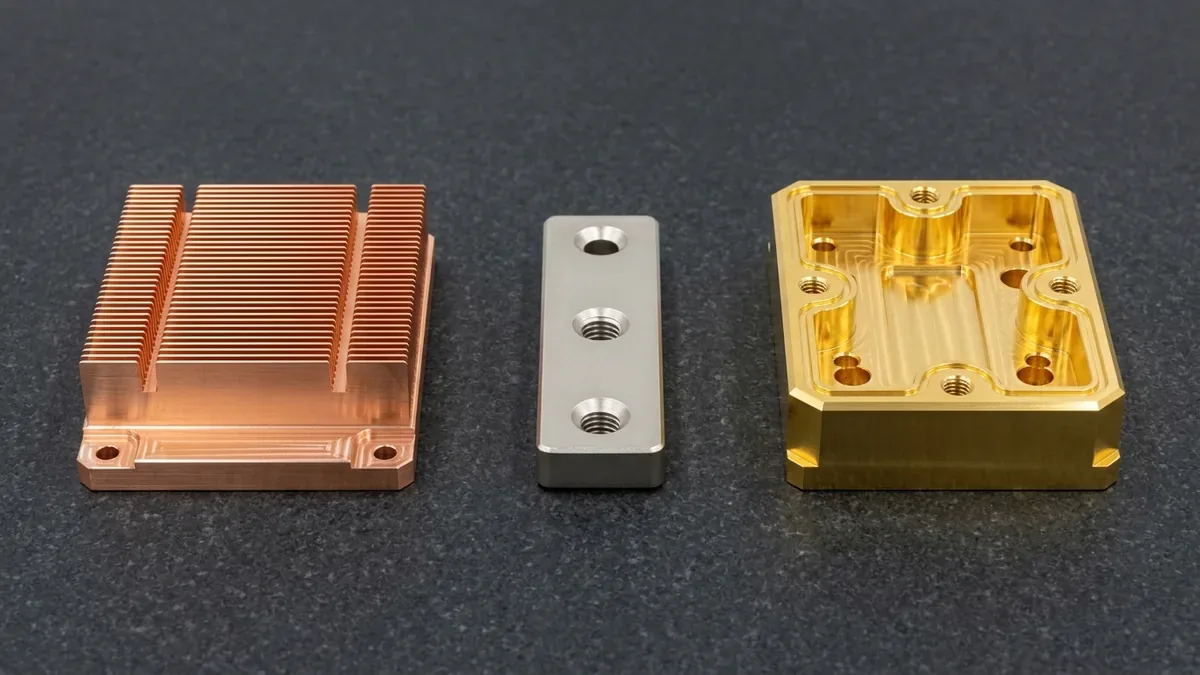
Pure copper represents the premier industrial substrate for electrical transmission and high-efficiency thermal management. However, bare copper oxidizes rapidly when exposed to atmospheric humidity, elevated temperatures, or airborne sulfur compounds. Therefore, applying engineered copper finishes is essential to prevent tarnishing. Consequently, protective finishing preserves low electrical contact resistance and ensures solderability. Specifically, unprotected copper develops an insulating cupric oxide film that causes terminal overheating and catastrophic joint failure.
Surface finishing encompasses electrolytic metal deposition, chemical immersion passivation, and protective organic lacquering. Furthermore, each treatment alters surface conductivity, wear durability, and galvanic compatibility within multi-material assemblies. Thus, understanding how electroplated coatings interact with underlying copper ensures long-term operational reliability. In this engineering guide, we examine functional plating chemistries, anti-tarnish passivations, and coating thickness metrology.
1. Electroplating Chemistries: Nickel, Tin, Silver, and Gold
Specifically, electroplating represents the primary method for modifying copper’s surface properties in demanding electrical environments. In particular, electroplated nickel serves as a universal diffusion barrier between copper and subsequent precious metal topcoats. Without an intermediate nickel layer, copper atoms rapidly migrate into outer gold or silver layers via solid-state diffusion. Consequently, this migration creates intermetallic compounds that destroy electrical surface conductivity.
Moreover, for high-amperage power distribution, electroplated tin provides outstanding corrosion protection at economical costs. Tin coatings lubricate bolted busbar joints, preventing fretting corrosion under thermal cycling. Furthermore, matte tin coatings preserve excellent solderability for circuit assembly. In addition, in high-frequency communications, silver plating minimizes signal losses due to RF skin-depth conduction effects.
2. Chemical Passivation and Anti-Tarnish Treatments
When engineering designs require preserving bare copper’s natural appearance and conductivity, chemical passivation provides an effective solution. Immersion in benzotriazole solutions forms an ultra-thin monomolecular coordination complex on copper surfaces. This microscopic barrier prevents oxygen and moisture adsorption without introducing measurable electrical contact resistance. Consequently, benzotriazole passivation protects electronic components during ocean freight storage.
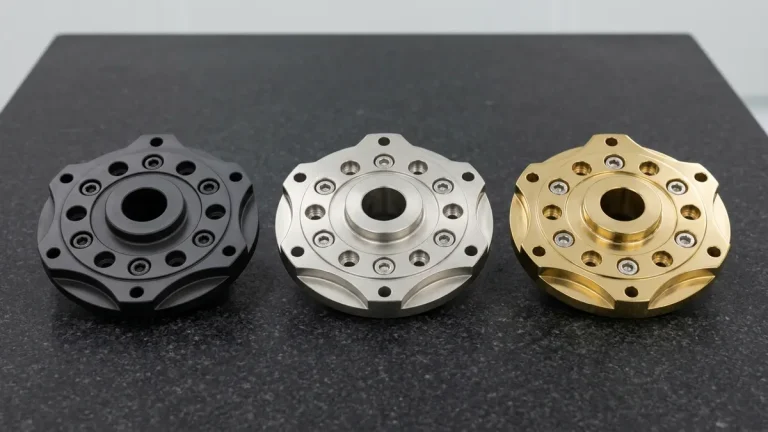
Alternatively, architectural copper elements frequently receive controlled chemical patina treatments. In particular, immersion in specialized ammonium chloride or sulfide formulations accelerates the creation of classic green verdigris hues. Subsequently, following patina development, technicians apply clear electrophoretic acrylic or polyurethane lacquers. Through our specialized surface finishing services, AS Prototypes seals cosmetic finishes against UV degradation.
The comparative engineering parameters of primary copper finishes are detailed in the table below.
| Finishing Chemistry | Typical Coating Thickness | Primary Functional Benefit | Electrical Contact Resistance |
|---|---|---|---|
| Electroless / Electrolytic Nickel | 2.5 μm to 10.0 μm | Diffusion barrier, wear and corrosion barrier | Low to moderate |
| Electroplated Matte / Bright Tin | 3.0 μm to 12.0 μm | Outstanding solderability, fretting protection | Very low |
| Hard / Soft Gold Over Nickel | 0.25 μm to 1.25 μm | Zero oxidation, extreme micro-contact reliability | Extremely low (<5 mΩ) |
| Chemical Silver Plating | 1.0 μm to 5.0 μm | Maximum electrical and thermal conductivity | Lowest possible resistance |
| Benzotriazole (BTA) Passivation | Molecular monolayer (<5 nm) | Short-to-medium term tarnish prevention | Near-zero impact on base metal |
3. Substrate Preparation and Precision CNC Integration
Flawless plating adhesion requires rigorous mechanical and chemical surface preparation before immersion. Specifically, copper parts machined from extruded bar stock frequently retain sulfur-based cutting fluid residues. Therefore, parts undergo ultrasonic solvent degreasing followed by electro-cleaning in heated alkaline baths. Subsequently, micro-etching baths remove thin native oxides, exposing active copper crystal grain boundaries.
Furthermore, machining toolpath marks must be controlled tightly on cosmetic copper housings. Through our precision CNC machining services, high-speed fly cutters achieve mirror-like baseline finishes before plating. In shop-floor practice, minimizing surface peak-to-valley roughness prevents localized current density spikes during electroplating. As a result, electroplated deposits remain uniform across intricate contours without edge burn or nodule formation.
4. Coating Thickness Metrology and Quality Verification
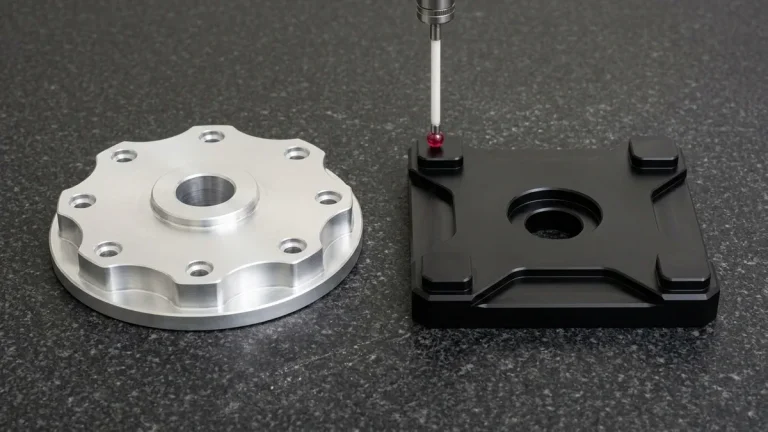
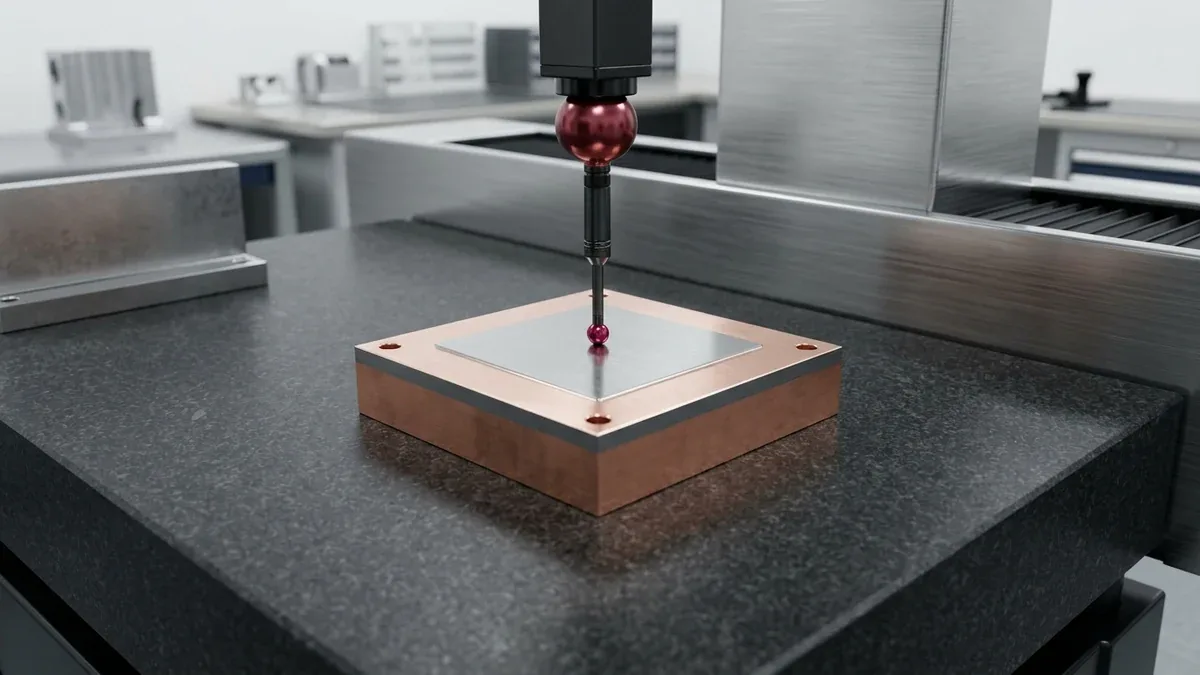
Specifically, verifying coating thickness and adhesion integrity is mandatory across aerospace and automotive programs. Our quality inspection workflow utilizes calibrated eddy-current and magnetic-induction thickness gauges, contact stylus profilometry (ISO 4287), and non-destructive X-ray fluorescence (XRF) coating thickness verification (available upon engineering request) to measure multi-layer electroplating stacks such as nickel barrier and gold or tin topcoats. From an engineering perspective, customers can request documented coating thickness and adhesion inspection records for critical production batches.
In addition, cross-hatch tape testing (ASTM D3359) and thermal shock bake cycles verify plating adhesion. Coated test coupons or sample components are heated to 150°C (302°F) and quenched in water to test for interfacial blistering or flaking. If any adhesion anomaly is detected, pre-cleaning and activation bath parameters are recalibrated before releasing the batch. Consequently, these practical testing protocols ensure finished copper components withstand demanding electrical and thermal field service.
The operational guidelines across primary copper finishing applications are contrasted in the table below.
| Industry Application | Recommended Finishing System | Key Compliance Standard | Operating Environment |
|---|---|---|---|
| High-Voltage EV Busbars | Nickel underplate + matte tin topcoat | ASTM B545 / ISO 2093 | High humidity, thermal vibration cycles |
| RF Microwave Cavities | Electropolish + high-purity silver plating | ASTM B700 | High-frequency electromagnetic skin depth |
| Semiconductor Test Probes | Sulfamate nickel + cobalt-hardened gold | MIL-DTL-45204 / ASTM B488 | Continuous repetitive micro-contact cycles |
| Liquid Cooling Cold Plates | Electroless nickel plating (ENP) | MIL-C-26074 | Deionized water, glycol coolant loops |
| Architectural Light Fixtures | Chemical antique patina + polyurethane lacquer | Custom aesthetic sample matching | Cosmetic interior and exterior architecture |
5. Technical Engineering FAQ
Specifically, copper atoms readily diffuse into gold through solid-state migration, forming brittle intermetallics. A nickel underplate acts as an impervious barrier preventing copper diffusion.
Bright tin contains organic brighteners producing a reflective cosmetic finish, but it can form conductive whiskers. Conversely, matte tin is organic-free, making it far superior for high-reliability electrical soldering.
Benzotriazole forms a chemical coordination polymer monolayer less than five nanometers thick. Consequently, this molecular barrier repels moisture and oxygen while permitting electrons to tunnel through under minimal contact pressure.
Specify Verified Surface Finishes on Custom Precision Components
Ensure dimensional allowance control, thread masking accuracy, and MIL-A-8625 or ASTM surface compliance from raw billet machining through final finishing. Upload your 3D CAD models and 2D prints for a complete engineering DFM review.
Upload CAD & Drawings for Finishing DFM Review