Hardware innovators often struggle when transitioning from initial functional prototypes to commercial production. Specifically, committing to hardened mass-production tooling presents substantial financial and technical risks. Utilizing flexible low-volume manufacturing services bridges this gap effectively.
Low-volume manufacturing typically covers production runs between fifty and five thousand units. Consequently, hardware teams can validate market demand before committing heavy upfront capital to high-cavitation steel molds. Furthermore, engineering teams can refine component designs iteratively without incurring tooling scrap penalties.
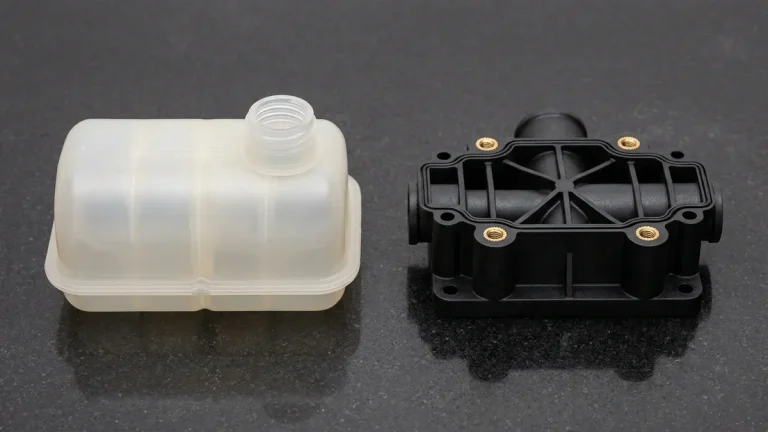
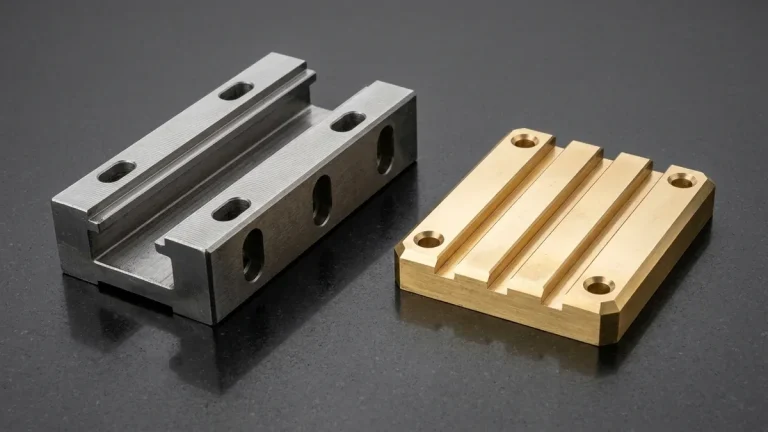
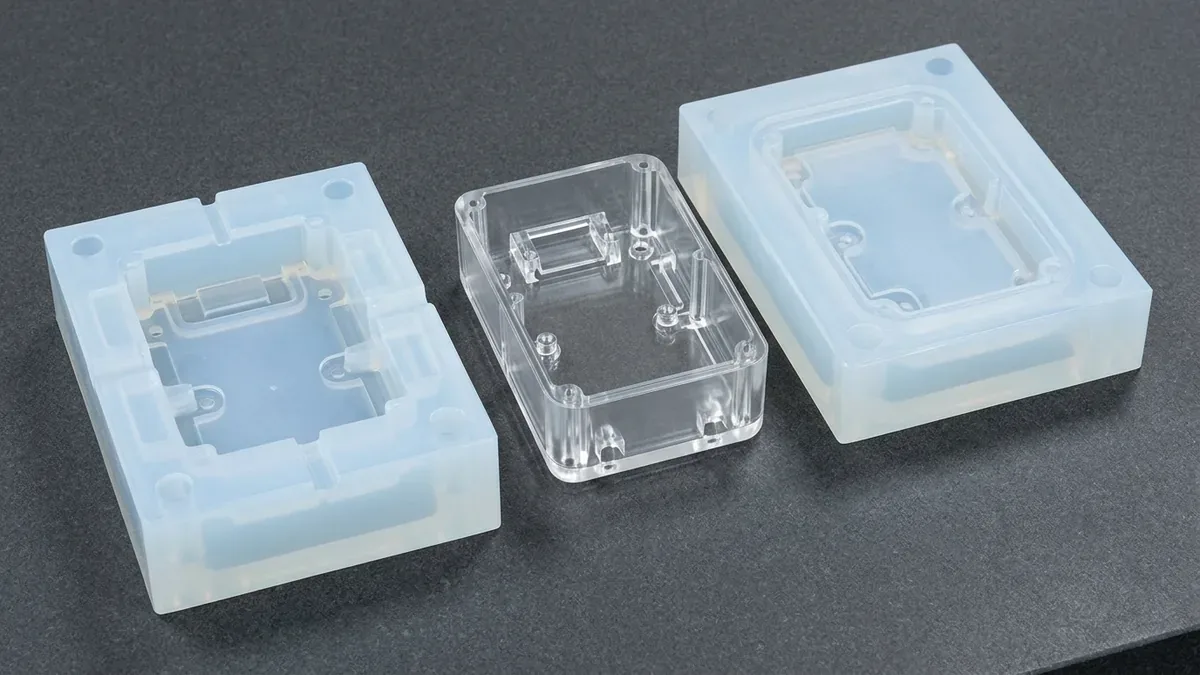
At AS Prototypes, our comprehensive manufacturing facility offers integrated short-run solutions. For plastic housings, our vacuum casting department delivers production-grade polyurethane enclosures in days. Meanwhile, our precision CNC machine shop delivers flight-grade metal parts with rapid turnaround.
1. Core Manufacturing Technologies for Low-Volume Runs
Selecting the optimal low-volume manufacturing process depends primarily on material requirements, volume, and cosmetic standards.
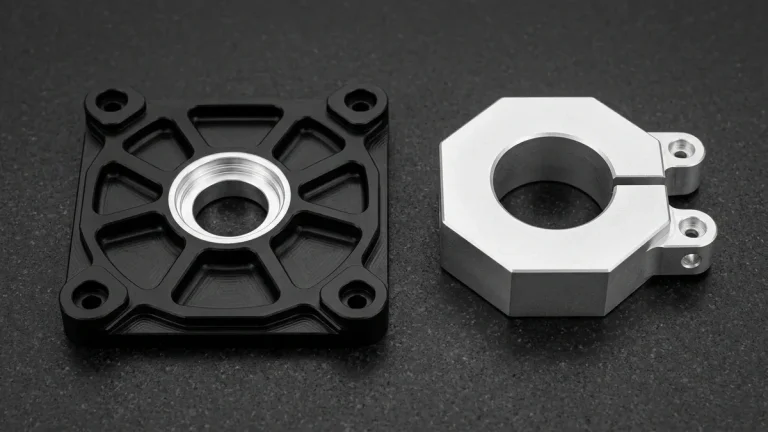
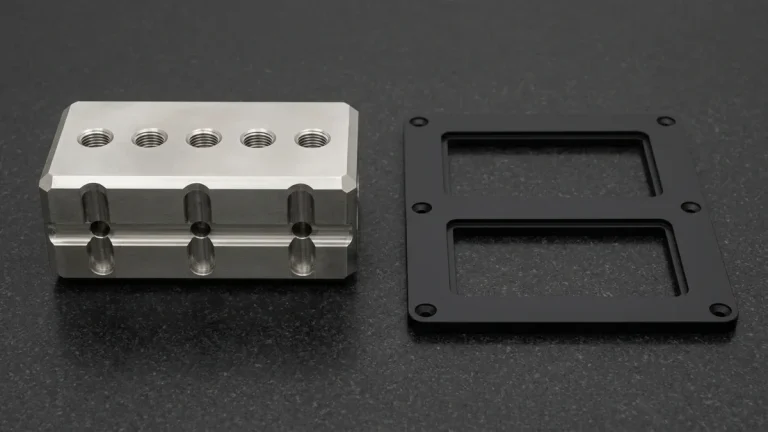
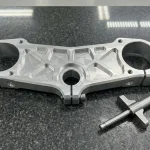
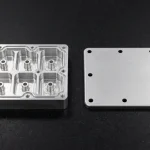
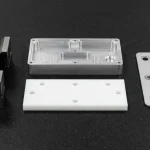
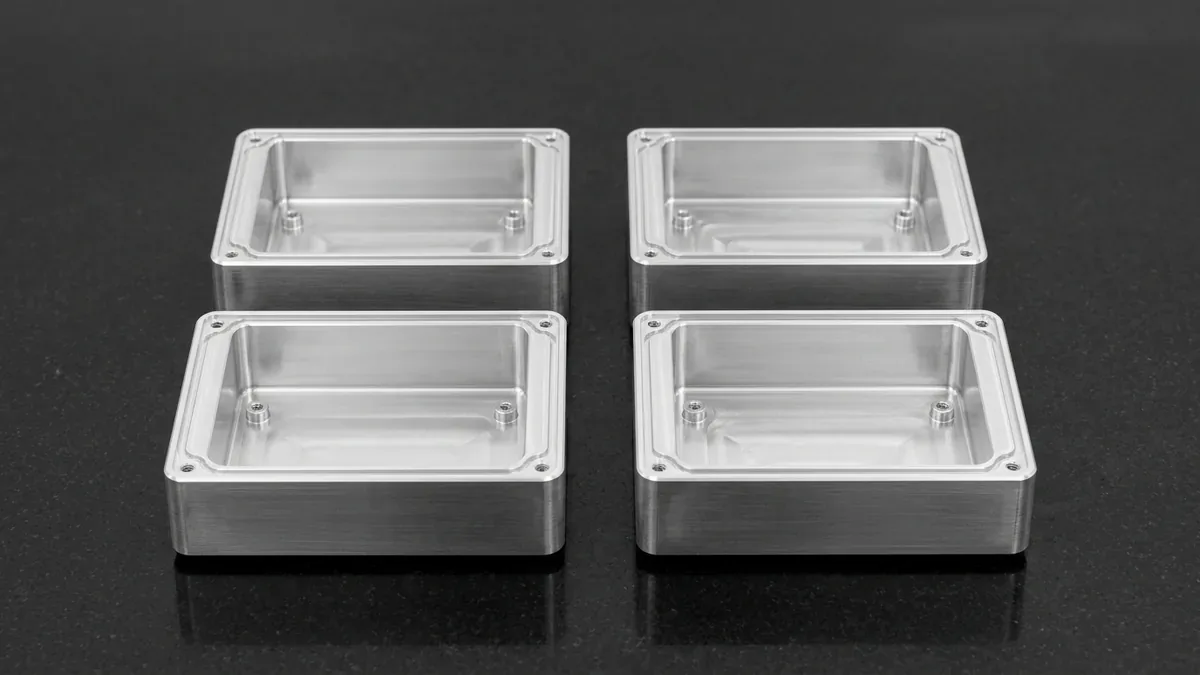
First, CNC machining provides exceptional versatility for metal and plastic parts. Because CNC requires no specialized molds, production can commence immediately. Therefore, machining excels for batches ranging from ten to three hundred precision components.
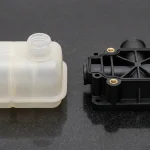
Second, polyurethane vacuum casting uses silicone tooling poured over 3D printed master patterns. A single silicone mold yields twenty to twenty-five parts before degrading. Consequently, vacuum casting delivers superior cost efficiency for small runs of ten to fifty plastic housings.
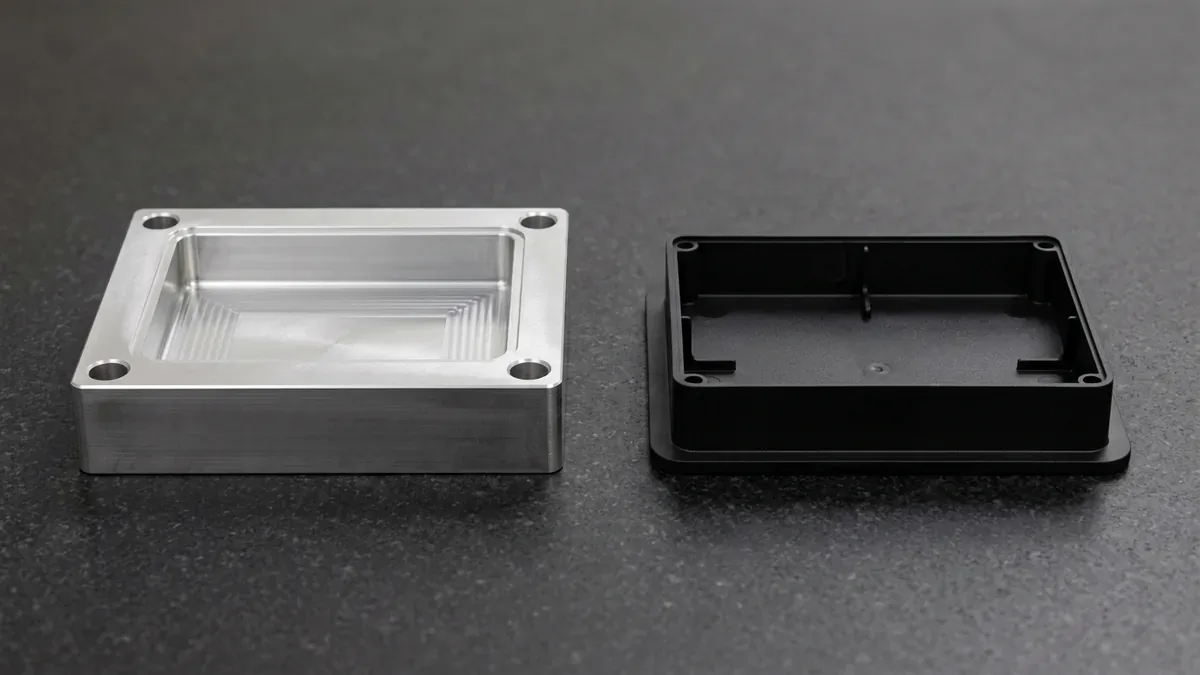
Third, rapid injection tooling utilizes CNC-machined 7075 aluminum or pre-hardened P20 steel inserts. At AS Prototypes, our modular injection molding frames drastically reduce upfront tooling investment. As a result, bridge production runs of one thousand to five thousand parts become highly economical.
| Process | Optimal Batch Size | Tooling Investment | Typical Lead Time | Primary Materials |
|---|---|---|---|---|
| CNC Machining | 10 – 300 pieces | Zero tooling cost | 4 – 8 business days (ex-factory) | Aluminum, stainless steel, titanium, PEEK, Delrin |
| Vacuum Casting | 10 – 100 pieces | Very low (soft silicone mold) | 7 – 12 business days (ex-factory) | Polyurethane resins (ABS-like, PC-like, rubber-like) |
| Rapid Injection Tooling | 500 – 5,000 pieces | Moderate (modular rapid tooling) | 18 – 35 business days (ex-factory) | Production thermoplastics (PP, ABS, PC, Nylon) |
| Sheet Metal Stamping | 50 – 1,000 pieces | Minimal (laser cut + press brake) | 4 – 8 business days (ex-factory) | Sheet aluminum, stainless steel, cold-rolled steel |
2. Strategic Benefits of Bridge Manufacturing
First, low-volume production accelerates time to market. Traditional multi-cavity steel production tooling often requires ten to sixteen weeks of build time. In contrast, rapid bridge tooling delivers first T1 molded parts in 18 to 35 business days ex-factory.
Second, cash flow exposure remains tightly controlled. Rather than investing massive capital upfront, companies order stock in manageable batches. Consequently, working capital remains flexible for marketing and ongoing product development.
Third, low-volume manufacturing supports field testing and regulatory documentation. Medical devices and automotive sub-assemblies require extensive validation in authentic operating conditions. Producing bridge parts in true engineering polymers fulfills functional testing requirements.
| Evaluation Factor | Traditional Mass Production | Agile Low-Volume Production |
|---|---|---|
| Upfront Capital Risk | Extremely high (hardened steel tooling) | Low to moderate (bridge die) |
| Design Iteration Agility | Very costly and slow to modify | Fast and inexpensive design changes |
| Inventory Holding Cost | Large warehouse stockpiles required | On-demand just-in-time batch supply |
| Breakeven Threshold | Requires > 20,000 units to amortize | Profitable at 50 – 2,000 units |
3. Key Supplier Vetting Criteria
When selecting a low-volume manufacturing partner, engineering teams should verify several critical competencies:
First, inspect in-house production capabilities. Direct factories maintain internal CNC machines, vacuum casting chambers, and metrology labs. In contrast, pure intermediaries outsource jobs to unverified suppliers.
Second, demand comprehensive quality inspection documentation. Reliable suppliers provide first-article inspection (FAI) reports and on-demand Zeiss CMM data sheets for critical production batches. Consequently, dimensional conformance remains guaranteed.
4. Technical Engineering FAQ
Low-volume manufacturing typically spans from 50 to 5,000 units. It bridges the gap between single prototypes and mass production.
Aluminum tools cost up to 50% less and machine three times faster than tool steel. Aluminum dissipates heat rapidly, shortening cycle times for bridge runs.
Yes, advanced polyurethane resins simulate ABS, PC, POM, and rubber. They offer comparable mechanical strength, flame retardancy, and cosmetic finishes.
Scale Seamlessly with Our Low-Volume Manufacturing & Bridge Tooling Team
Bridge the gap between initial prototypes and series production across CNC machining, polyurethane vacuum casting, and rapid injection tooling. Upload your 3D CAD files (STEP/IGES) and 2D GD&T drawings for a comprehensive DFM review and custom quotation.
Upload 3D CAD for Low-Volume DFM & RFQ